

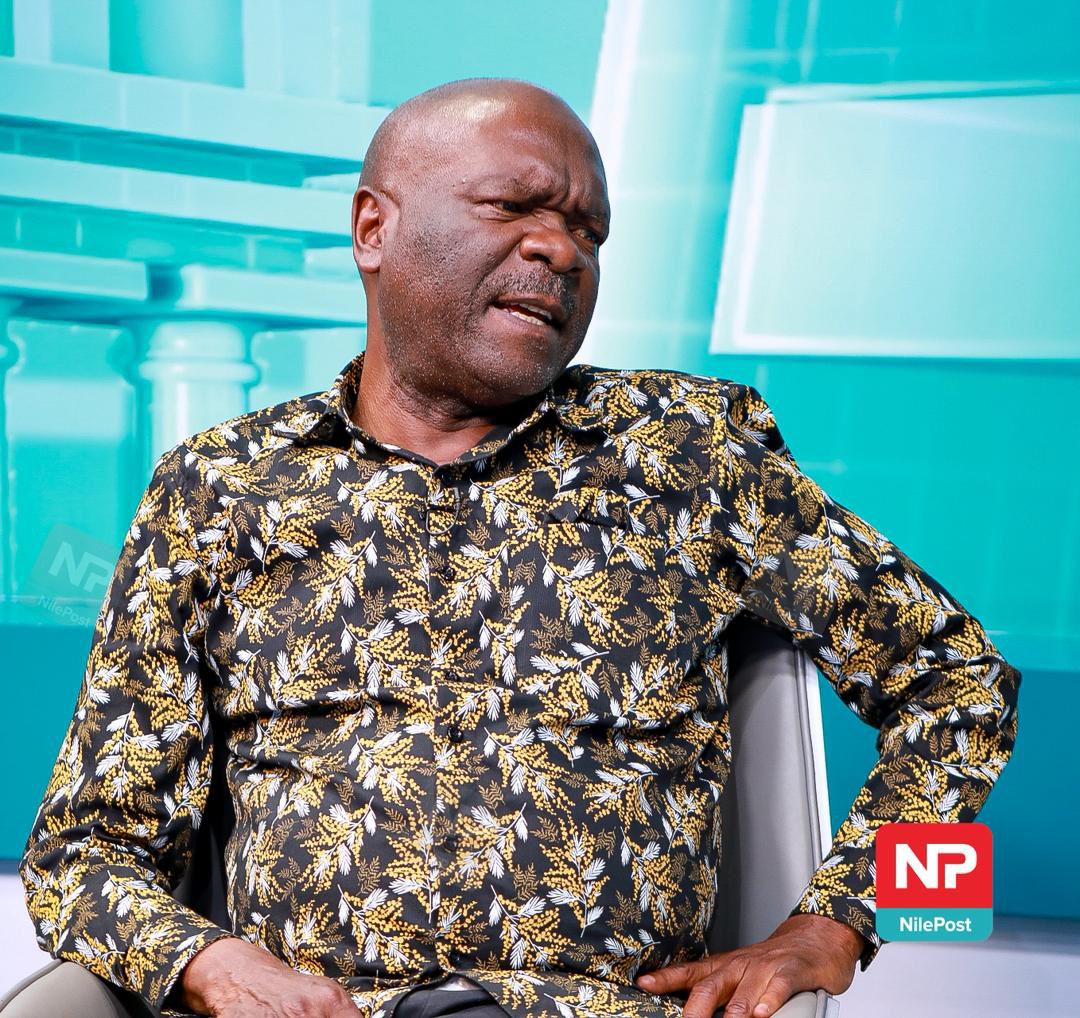
Outgoing Mawokota South MP Yusuf Nsibambi has defended the proposed Protection of Sovereignty Bill, 2026, dismissing claims that it could strip Ugandans of their citizenship and insisting the legislation is designed to safeguard national interests.
Speaking during NBS Barometer on Tuesday, Nsibambi said fears surrounding the Bill were misplaced and not supported by its provisions.
“The Protection of Sovereignty Bill will not strip Ugandans of their citizenship. A foreigner is someone who is not in the country at the time,” he said.
He emphasized that the Bill operates within Uganda’s constitutional framework and does not override it.
“The Constitution is the supreme law of the land, and the Protection of Sovereignty Bill is intended to safeguard Ugandans,” he added.
The Bill, tabled by David Muhoozi, State Minister for Internal Affairs, proposes a broad legal framework to regulate foreign influence in Uganda’s civic, economic, and digital spaces.
At its core is the creation of a category termed “agents of foreigners,” which includes individuals, organisations, and even Ugandan citizens abroad whose activities are funded or influenced by external actors. The Bill also extends to digital platforms, placing online activism and civic engagement under regulatory oversight.
It introduces mandatory registration with a designated department under the Ministry of Internal Affairs, alongside vetting procedures covering identity, finances, and professional affiliations.
Financial provisions include a cap of about Shs 400 million in annual foreign funding without ministerial approval, as well as mandatory reporting obligations for financial institutions handling related transactions. Foreign-funded entities operating in sectors such as education, health, water, and infrastructure would face additional scrutiny.
The proposed law also creates new offences, including “economic sabotage,” defined as actions or information deemed to undermine Uganda’s economic stability. Penalties include up to 20 years in prison and heavy fines for organisations.
Government officials argue the Bill is necessary to shield Uganda from foreign interference and covert influence. However, it has drawn criticism from civil society, legal analysts, and development actors who warn that its broad scope could limit freedoms of expression, association, and access to information.
Critics also cite ambiguity in key provisions, cautioning that journalists, researchers, and citizens engaged in public discourse could face legal risks. Others warn that funding restrictions may disrupt donor-supported programmes and deter investment.
Despite the concerns, the Bill is widely expected to pass, given the dominance of the National Resistance Movement in Parliament, which holds a significant majority.
Parliamentary leadership under Anita Among and Thomas Tayebwa is also seen as aligned with advancing government-backed legislation.
With political backing consolidated, analysts say the Protection of Sovereignty Bill is likely to progress, even as debate continues over its implications for governance and civil liberties.
