

As global leaders and investors convene in the Swiss Alps for the World Economic Forum, attention has turned to a central question shaping the global agenda: where will the next decade of economic growth come from?
The Alliance for a Green Revolution in Africa (AGRA) says part of the answer lies in African agriculture. At Davos, AGRA is launching a year-long reflection marking 20 years of its work, positioning Africa’s agri-food sector as one of the world’s most under-invested yet highest-return opportunities if scaled effectively.
AGRA’s engagement at the forum marks the start of its AGRA@20 journey, a global campaign focused on translating two decades of experience into investable pathways that can raise farmer incomes, strengthen food systems, and unlock shared prosperity across the continent.
Africa’s food system is projected to be worth USD 1 trillion by 2030, driven by rising demand, value-chain expansion, exports, and technology.
However, AGRA notes that this potential can only be realised if the system works for the 33 million smallholder farmers who anchor it and the 150 million livelihoods it supports.
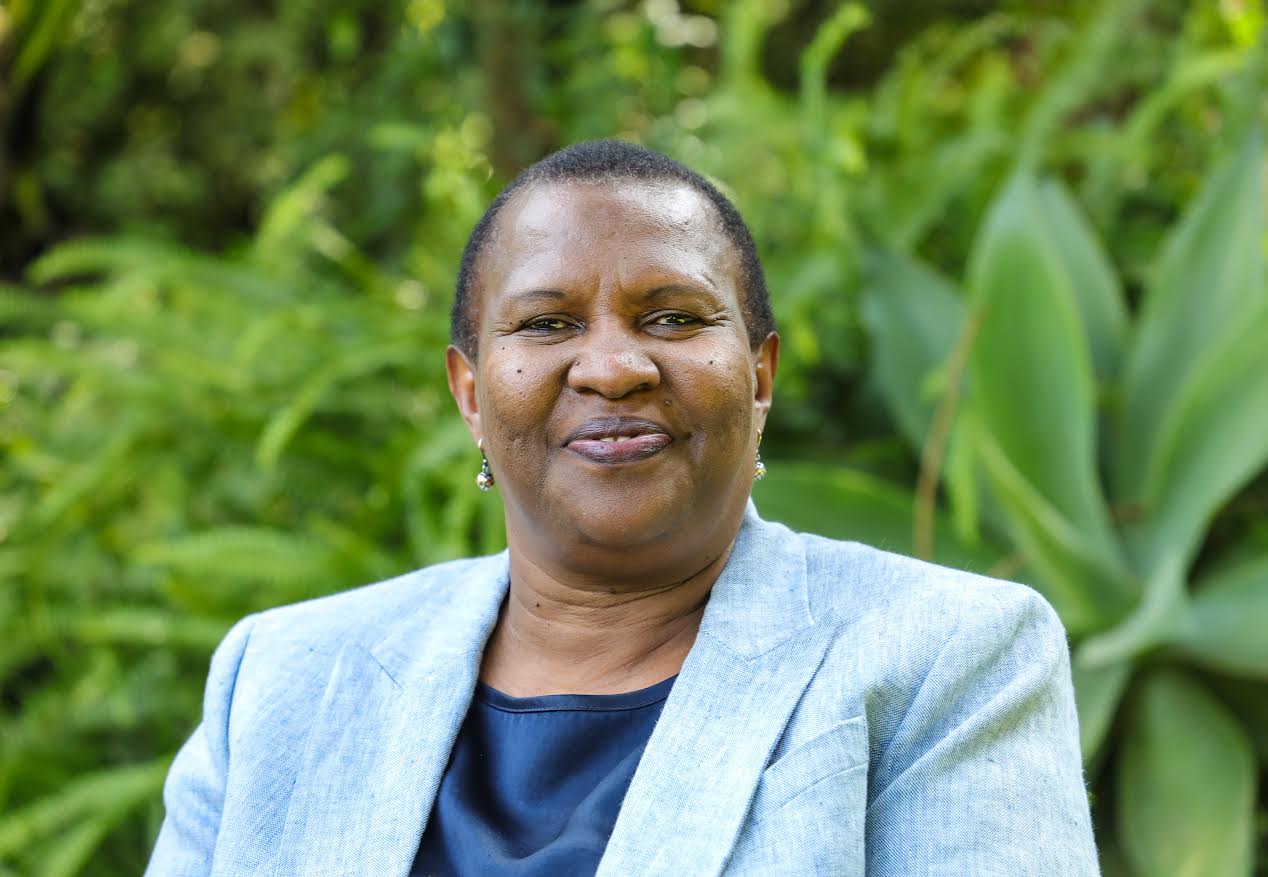
“AGRA@20 is not a retrospective milestone; it is the opening of our next chapter,” said Alice Ruhweza, President of AGRA. “When smallholder farmers earn viable incomes, adoption sticks, markets stabilise, and food systems become investable. The greatest risk today is not investing in African agriculture, but failing to invest at scale.”
Why AGRA@20
Over the past two decades, AGRA and its partners have worked with governments, farmers, and markets across Africa to improve access to quality seeds, soil health solutions, extension services, and policy reforms. According to AGRA, the evidence is clear: farming systems become sustainable only when agriculture is economically viable for farmers.
AGRA’s research shows that farmers operating below break-even struggle to sustain new practices or technologies. However, once farmers cross an annual income threshold of around USD 1,200, behaviour changes—farmers reinvest, productivity improves, and agriculture begins to function as a business rather than a survival mechanism.
The organisation further notes that aggregating approximately 1,500 smallholder farmers creates a viable economic unit for private-sector engagement, lowering transaction costs, stabilising demand, and making service delivery commercially attractive.
“If smallholder farmers were a country, they would be the world’s largest underperforming economy—and its biggest opportunity,” Ruhweza said. “At scale, agriculture stops being aid and starts building agri-food businesses.”
Two Decades of Impact
Since its establishment, AGRA has supported the release of more than 700 improved crop varieties, many designed to withstand drought, pests, and disease. It has also worked with governments and regional bodies to advance seed and fertiliser policy reforms aimed at reducing costs and expanding access to inputs.
Independent evaluations support these outcomes. Studies by Mathematica, using farmer surveys and data from the Food and Agriculture Organization and other sources, show increased adoption of improved seeds, productivity gains, and income growth in AGRA focus countries.
In Nigeria, improved seed adoption has surpassed 50 percent nationally, supported by expanded private-sector capacity and community-based advisory networks. In Kenya’s arid counties, regenerative agriculture initiatives generated returns exceeding five times the value of investment, while also strengthening resilience to climate shocks.
Why Davos Matters
AGRA says Davos provides a strategic platform to engage global capital allocators, policymakers, and corporate leaders, reframing African agriculture from an aid-dependent sector to economic infrastructure aligned with global priorities such as growth, supply chain resilience, food security, and climate risk management.
The organisation’s message to investors is clear: fragmentation in African agriculture is a scale problem—and proven solutions now exist.
Through AGRA@20, the organisation is calling on governments, investors, and development partners to align capital, policy, and delivery around a single organising principle: farmer income as the foundation of resilient, investable, and sustainable food systems.
