

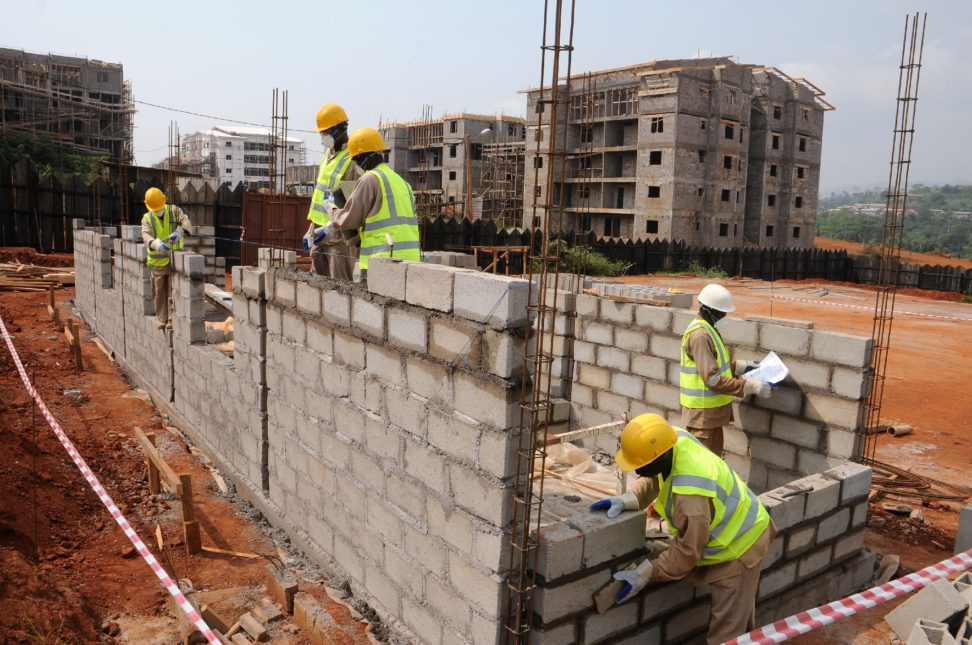
Uganda is intensifying efforts to improve building safety and resilience through a new initiative designed to strengthen risk-informed planning as the country grapples with rapid urbanisation, climate change impacts, and rising demand for housing.
Officials say the new approach prioritises scientific planning, stronger compliance, and coordinated systems to ensure that buildings meet safety standards and are fit for public use.
Speaking at the launch of the Scientific Evidence for Risk Engineering, Norms and Education (SERENE) project, National Building Review Board Executive Secretary Flavia Bwire said the government is focusing on improving compliance and reducing structural risks in the construction sector.
“We have a responsibility to ensure that every building is fit for its purpose and safe for the public, and to continuously monitor developments while enforcing compliance,” Bwire said.
The initiative comes at a time when Uganda’s fast-growing urban centres are facing increased exposure to hazards such as fires, floods, and structural collapses, driven by both natural and human-induced factors.
Officials warned that unplanned development and weak enforcement of building standards are compounding risks, placing additional pressure on already strained urban infrastructure.
“Rapid urbanisation, climate change, and the growing demand for housing are increasing exposure to risk, even as they create opportunities for development,” Bwire noted.
The SERENE project, implemented under a global partnership framework, is expected to introduce scientific tools and data-driven models to guide safer construction practices, particularly in high-risk zones.
Experts will map hazards, assess vulnerabilities, and develop a national building exposure model to support regulatory decisions and urban planning.
“The key question we must answer is: how do we build safely in risk-prone areas, even when these risks cannot be avoided?” she said.
Authorities say the shift marks a transition from reactive disaster response to prevention and preparedness, anchored in scientific evidence rather than assumptions.
“We are shifting from reacting to disasters to anticipating and preventing them, from assumptions to scientific evidence, and from isolated interventions to coordinated national systems,” Bwire added.
The programme will also strengthen capacity among national and regional stakeholders to ensure that expertise is retained locally even after international support phases out.
Uganda is currently participating in a global framework that provides access to international expertise in hazard and risk modelling, with officials expressing optimism that the country could emerge as a leader in building safety innovation.
Stakeholders have already been nominated for training under the initiative, with expectations that the programme will significantly improve decision-making in the construction and urban planning sectors.
