

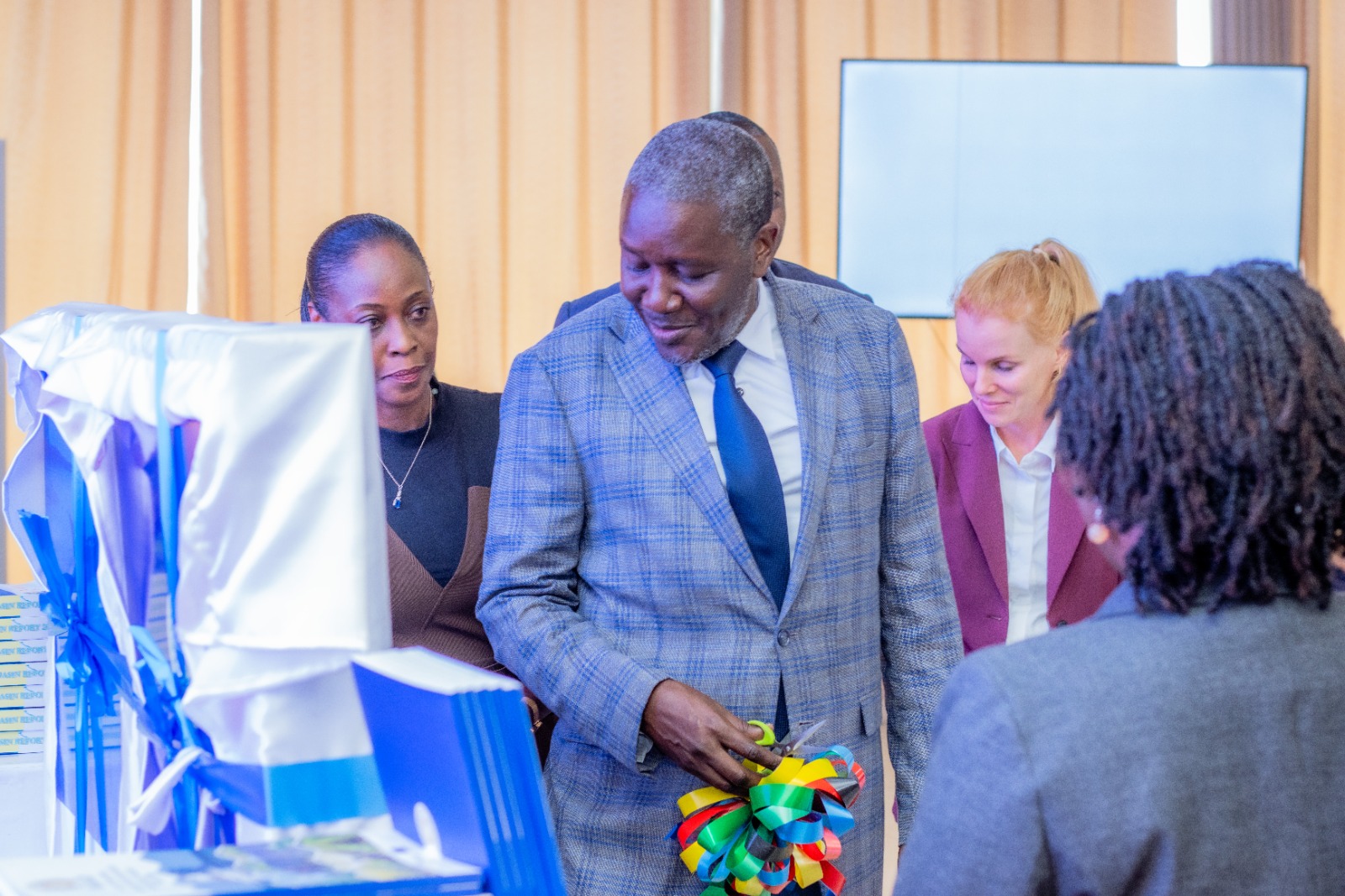
The Government of Uganda has called on development partners and member states of the East African Community to shift from fragmented and short-term interventions toward large-scale, long-term regional investment programmes aimed at saving the rapidly deteriorating Lake Victoria Basin.
Delivering a keynote address during the Development Partners Round Table at the inaugural Regional Lake Victoria Day in Mwanza on May 20, 2026, Alfred Okot Okidi warned that Africa’s largest freshwater lake was under immense environmental and economic pressure.
Dr Okidi travelled with a Ministry delegation that included Sowed Sewagudde and officials from various line departments.
He noted that although Lake Victoria directly supports an estimated 55 million people and more than 200,000 fishers across the region, the lake faces growing threats from environmental degradation, rapid urbanisation, inadequate infrastructure, and climate change.
“The central message today is simple: Lake Victoria is too important to East Africa’s future to be managed through fragmented, short-term and underfunded interventions,” Dr Okidi said.
He painted a grim picture of the sanitation crisis around the basin, saying urban centres around the lake were expanding rapidly while wastewater treatment systems remained far behind demand.
“It is estimated that more than 70% of wastewater generated within the Basin is discharged into the environment untreated or only partially treated,” Dr Okidi warned.
He added that plastic pollution, industrial waste, and agricultural runoff were fuelling dangerous algal blooms and accelerating the degradation of aquatic ecosystems.
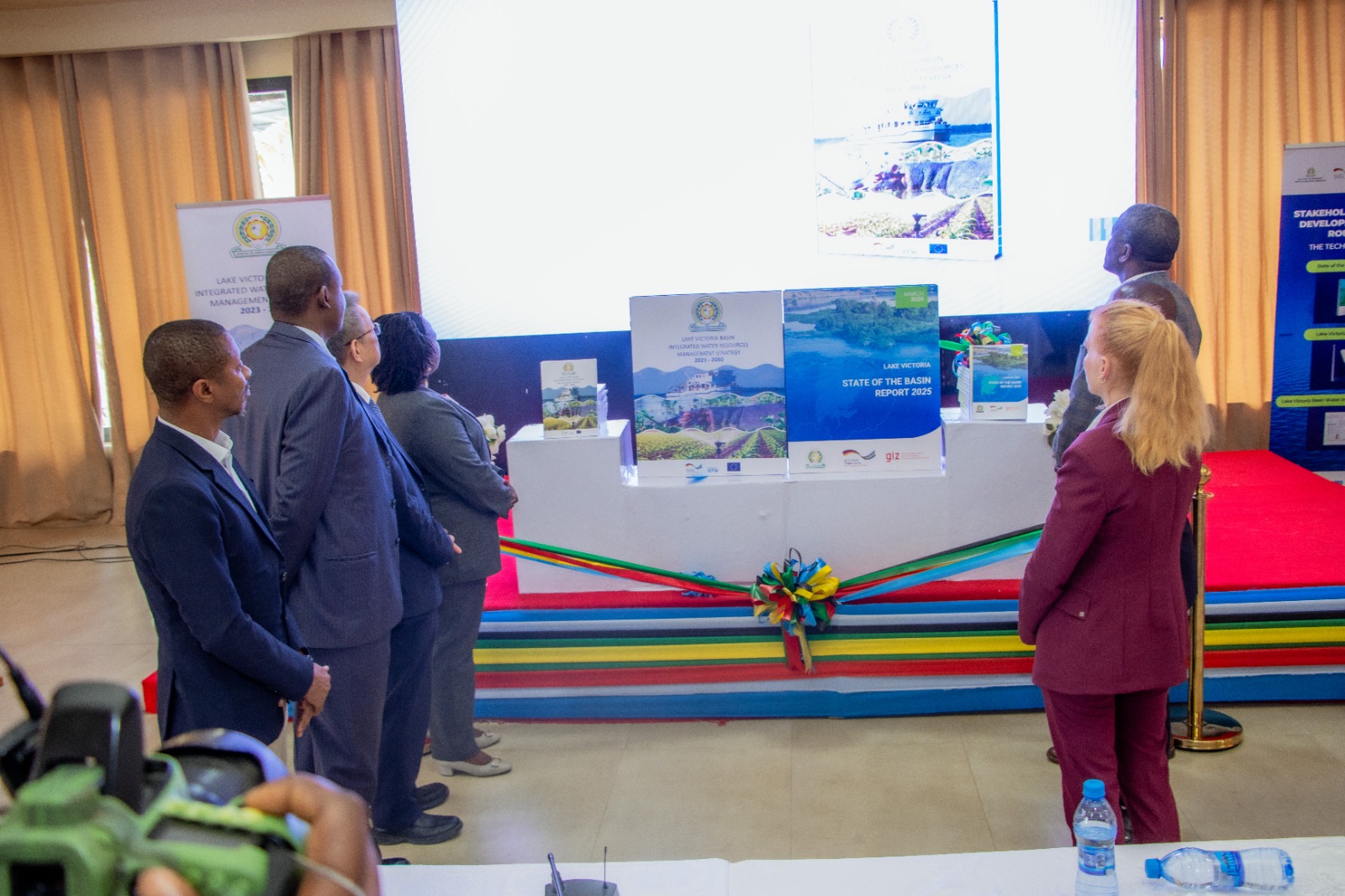
Beyond pollution, Dr Okidi highlighted the effects of climate change and population growth, which he said is increasing at about 3% annually within the basin.
He recalled the historic 2021 high-water levels that triggered severe flooding across Uganda, Kenya, and Tanzania, displacing thousands of people and damaging critical infrastructure.
While acknowledging support from development partners, the Permanent Secretary said existing financial commitments remained inadequate compared to the basin’s multi-billion-dollar needs.
He cited the $210 million Lake Victoria Environmental Management Programme II and the recently accessed $15.29 million in climate financing as important but insufficient given the scale of the crisis.
According to the government, the most urgent financing needs include wastewater and sanitation infrastructure, pollution control, wetland restoration, climate resilience, and sustainable fisheries management.
To bridge the gap, Dr Okidi outlined three key requests to development partners.
First, he appealed for predictable institutional support to the Lake Victoria Basin Commission to strengthen basin-wide coordination and planning.
Second, he called for the establishment of a dedicated project preparation facility to convert regional priorities into bankable investments.
Third, he requested substantial long-term financing for regional programmes covering pollution control, the blue economy, and early warning systems.
Dr Okidi also raised concerns over maritime safety, noting that thousands of people lose their lives annually through drowning incidents on Lake Victoria and the wider Nile system.
He welcomed the establishment of the Regional Maritime Rescue Coordination Centre, describing it as a major step toward improving emergency response on regional waters.
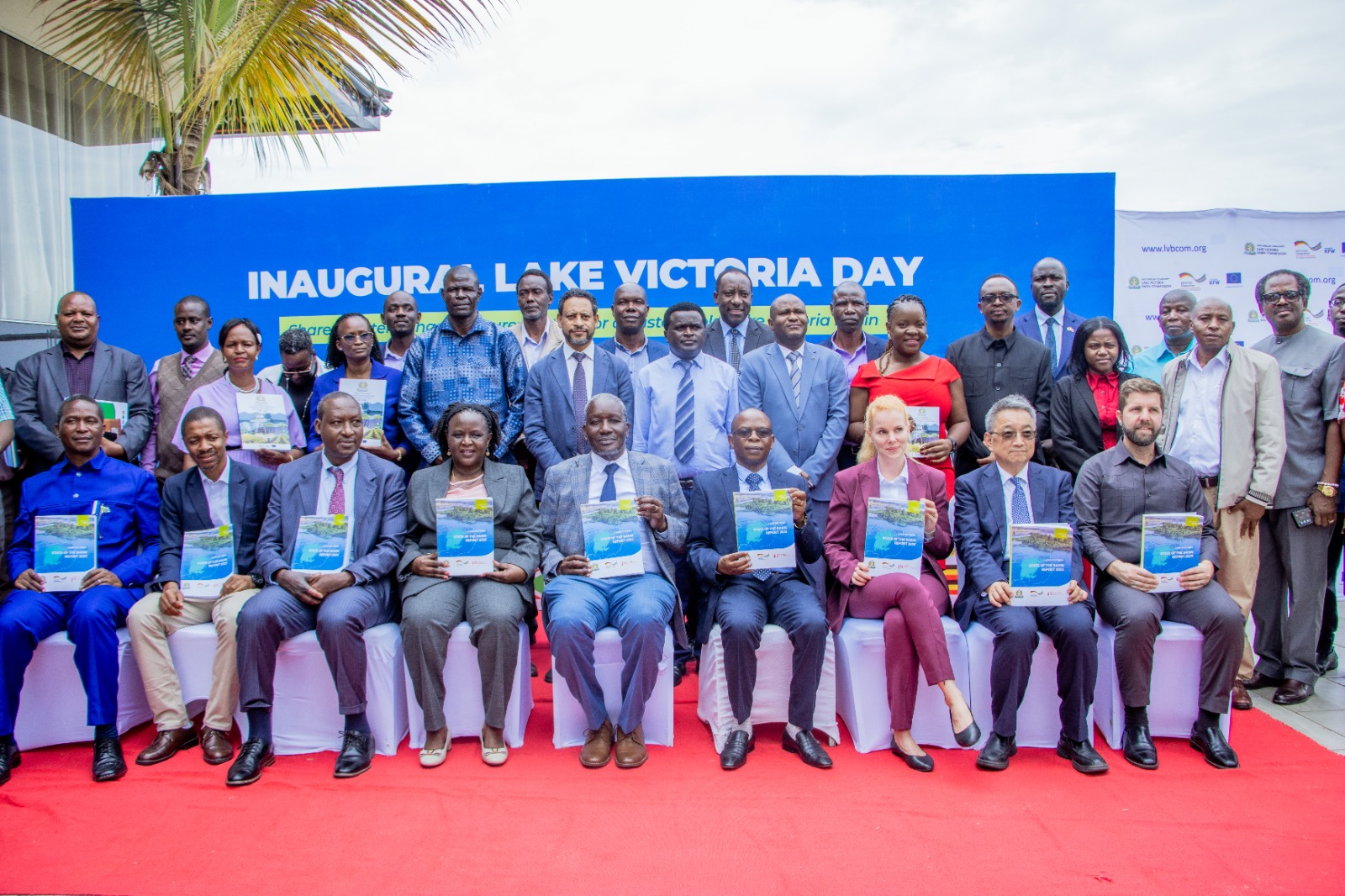
The Mwanza event, held under the theme “Shared Waters, Shared Future: Uniting for a Sustainable Lake Victoria Basin,” also featured the technical launch of the Lake Victoria Basin Water Information System.
The digital platform is expected to improve hydrological monitoring, transboundary data sharing, and evidence-based decision-making among EAC partner states.
In his closing remarks, Dr Okidi urged regional leaders and development partners to treat the future of Lake Victoria as central to the future of the East African Community.
“Let this inaugural Regional Lake Victoria Day mark a turning point — from fragmented interventions to coordinated investment; from short-term projects to long-term resilience; and from shared risks to shared prosperity,” he said.
The forum brought together representatives from EAC member states and international partners including United Nations Development Programme, World Bank, African Development Bank, the European Union, Japan International Cooperation Agency, and Food and Agriculture Organisation.
