

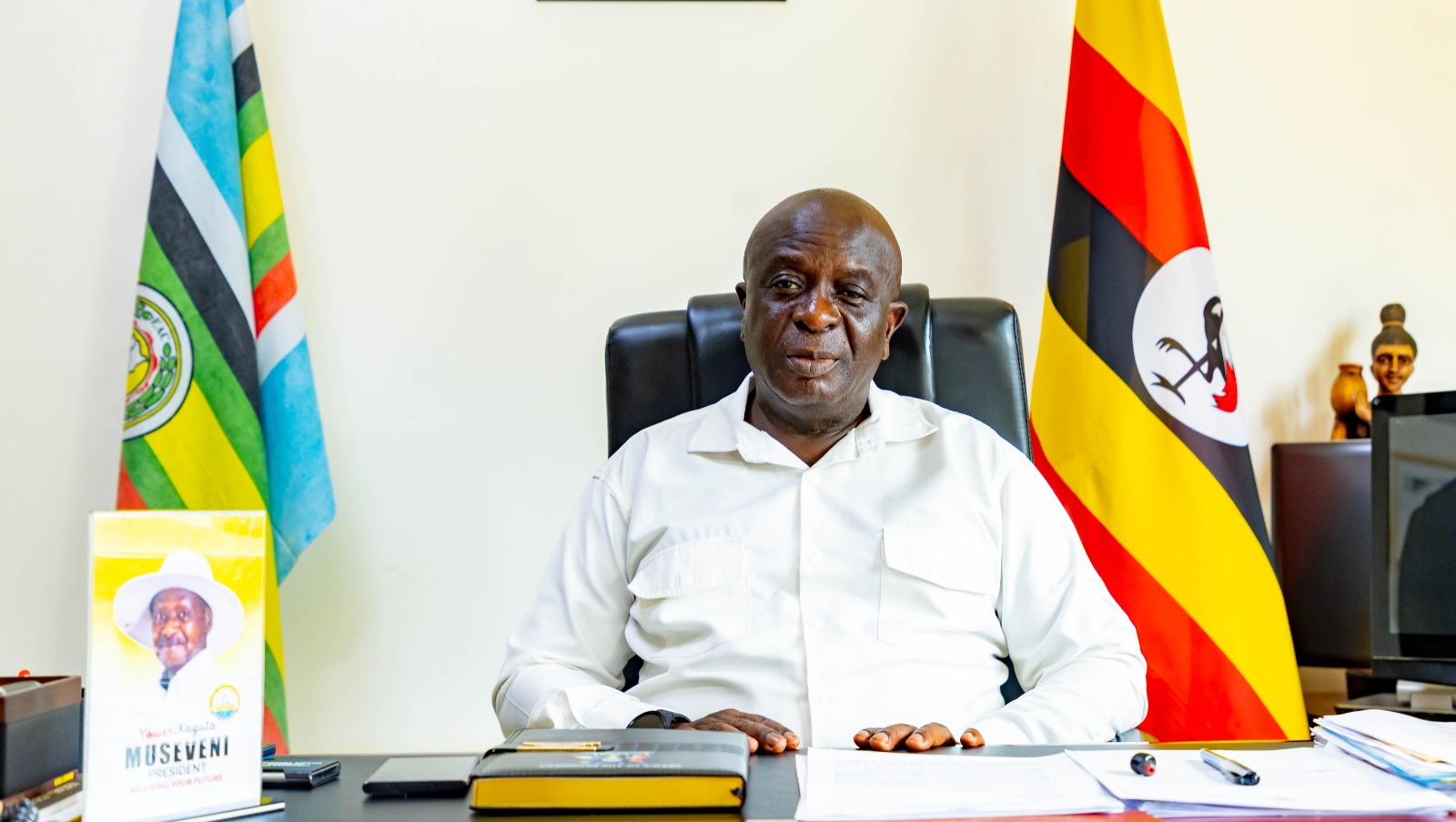
Senior Presidential Advisor on Diaspora Affairs Abbey Kigozi Walusimbi has called for calm among Ugandans abroad as debate over the Protection of Sovereignty Bill, 2026 intensifies ahead of a critical parliamentary sitting next Tuesday.
In a statement titled “The Protection of Sovereignty Bill 2026: Opportunities for Improvement,” Walusimbi urged diaspora communities to remain engaged constructively, noting that government is still receiving and consolidating views ahead of formal submission.
“We are currently receiving and collating your views through memoranda for formal submission to ensure that your voices are heard,” he said.
His remarks come as Parliament prepares for a high-stakes session on May 5, where lawmakers are expected to take on the second and third readings of the controversial bill—now entering its final legislative stages.
Walusimbi defended the bill’s overall objective, describing it as a legitimate effort to safeguard both state sovereignty and the sovereignty of the people. He argued that the principles align with Article 1 of the Constitution, which places authority in the hands of citizens.
“The stated objective of this Bill is to protect both the sovereignty of the State and the sovereignty of the People,” he said, adding that many countries have similar frameworks designed to protect against foreign interference.
He cited the United States Foreign Agents Registration Act (FARA) as an example of legislation that regulates foreign influence through transparency requirements, arguing that Uganda’s proposal contains similar intent.
However, the bill continues to generate significant controversy, particularly following recent amendments that substantially redefine the term “foreign agent” and expand regulatory oversight.
Under the revised draft currently before Parliament’s Legal and Defence Committee, a foreign agent is defined as a person acting under the direction, control, or financing of a foreign entity, while engaging in activities deemed to further foreign interests against Uganda’s national interest.
The amendments also extend scrutiny to political activities, raising concerns that political parties and organisations may be required to prove that foreign funding does not serve external interests.
At the same time, the revised bill introduces broad exemptions covering financial institutions, professional bodies such as the Uganda Law Society, broadcasters, health facilities, academic institutions, and faith-based organisations, provided funds are used for lawful purposes.
Clarifications also exempt legitimate financial inflows—including foreign investment, remittances, trade finance, humanitarian aid, and development assistance—unless linked to prohibited activities.
Despite these adjustments, the bill has drawn sharp criticism from economic institutions. The Bank of Uganda has warned that provisions requiring ministerial approval for cross-border transactions could destabilise financial markets and undermine investor confidence.
Governor Michael Atingi-Ego cautioned Parliament that the legislation could trigger capital flight, weaken the shilling, and threaten Uganda’s foreign reserves if passed in its current form.
He also warned of broader risks, including reduced foreign investment and potential damage to Uganda’s international banking relationships.
Walusimbi, however, stressed that the bill is still in its consultation phase and urged critics not to view it as final.
“It is important to remember that this is a Bill, not yet an Act. This stage exists precisely to identify and correct inadvertencies in drafting,” he said.
He further called for alignment with existing legal frameworks such as the Citizenship and Immigration Control Act and Uganda’s National Diaspora Policy, which recognises Ugandans abroad as key contributors to national development.
The advisor warned against any interpretation that could alienate the diaspora, arguing that Ugandans living abroad remain citizens regardless of residence and should not be unintentionally classified in ways that restrict their participation.
As Parliament prepares for Tuesday’s debate, the government faces mounting pressure to balance national security concerns with economic stability and diaspora engagement.
The outcome of the session is expected to shape the final direction of one of the most closely watched and contentious pieces of legislation in recent years.
