

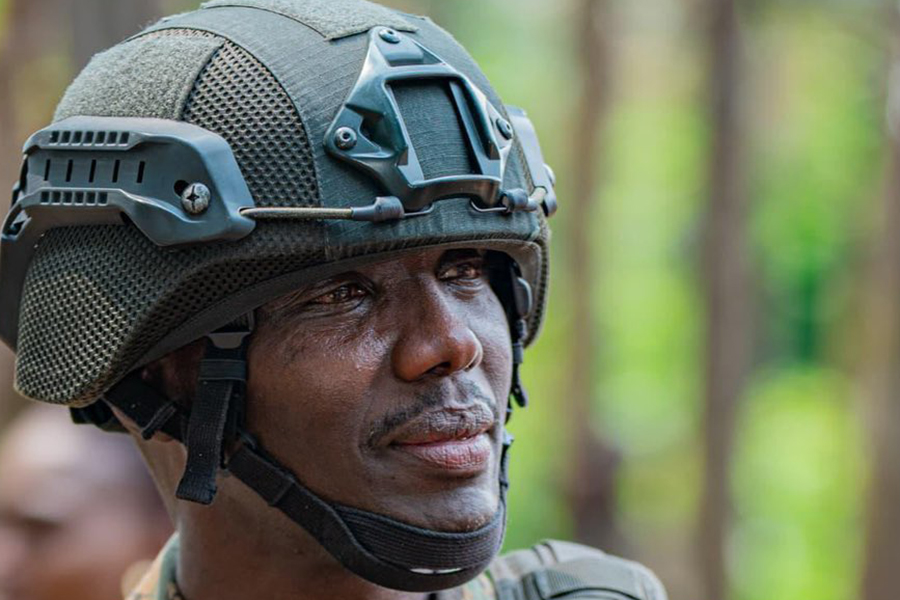
The fate of Major-General Emmanuel Sultani Makenga, military commander of the M23 rebel group, remains uncertain following a deadly drone strike in Rubaya in the early hours of February 24, which killed the group’s military spokesperson, Lieutenant Colonel Willy Ngoma.
Lt Col Ngoma was killed alongside at least eight others, including senior members of the M23 rebels and bodyguards.
The drone attack, carried out by the Armed Forces of the Democratic Republic of Congo (FARDC), targeted a secured residence on Kasuku farm, a strategic hub in Masisi territory known for its coltan mining.
According to multiple local sources, Ngoma died on the spot.
However, Kivu Media has claimed that Gen Makenga was wounded in the strike and evacuated to a medical facility in critical condition.
The Wazalendo militia, which claimed responsibility for the strike in apparent attempt to deflect the blame from FARDC given it comes in the middle of a ceasefire, said the operation targeted the M23 in response to an attempted offensive against positions held by Wazalendo forces.
Regarding Makenga, Wazalendo added that he “fled from the Mater Dei Catholic parish in Matanda,” without confirming his current status.
In the absence of official confirmation from the M23, speculation on social media and local media has intensified.
The group has remained largely silent, posting only a black image with a broken-heart emoji on its X page.
Born on December 25, 1973, in Rutshuru, North Kivu province, Makenga rose through armed movements in the Great Lakes region before joining the M23 when it emerged in 2012.
Under his command, M23 has conducted sustained offensives against government forces and controlled large swathes of territory in North and South Kivu, notably capturing strategic towns during its most recent offensives.
As the group’s military chief, Makenga has been responsible for directing battlefield operations, organising fighters, and guiding the rebel strategy.
His position within M23 has made him one of the most influential and controversial figures in eastern Congo’s conflict dynamics, embodying both the enduring instability in the region and the complex interplay of local, national, and regional forces driving the violence.
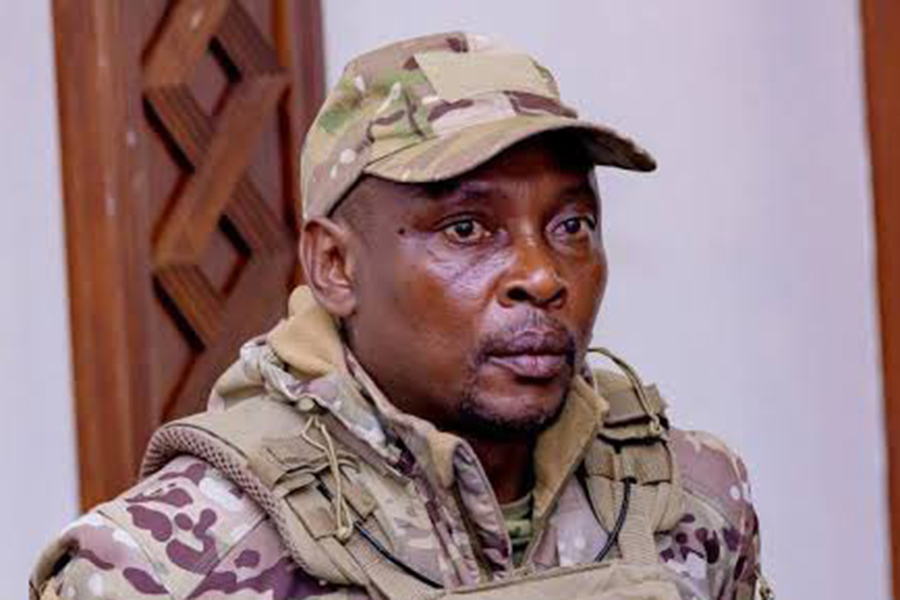
Bertrand Bisimwa, president of the M23 and deputy coordinator of the Allied Democratic Forces Coordination (AFC), offered a cryptic message on Tuesday, writing: “The Revolution is these heroes who, every day, sacrifice their lives for the Liberation of the country, the well-being of present and future generations, the foundation of a State that protects its citizens without distinction. The Revolution is also communion with our heroes in silence.”
Reports indicate that during an emergency closed-door meeting of the M23 high command chaired by Brigadier General Bernard Maheshi Byamungu on Tuesday, General Makenga, Brigadier General Musanga Gaceri, and Colonel Japhet Gakufe—were absent.
The trio had only arrived in Rubaya on Monday amidst intense fighting as the FARDC and their militia allies pushed the rebels hard to wrestle back control of the coltan-rich Kazinga and Ndete areas of Rubaya.
Rubaya is a critical financial stronghold for M23, producing roughly 15% of the world’s coltan supply, and has been added by Kinshasa to a strategic mining assets list shared with the United States under a minerals cooperation framework.
The strike occurred amidst fragile ceasefire negotiations mediated by Qatar, with agreements signed to establish joint monitoring and verification involving the US and African Union.
Despite the truce, FARDC sources indicated the military campaign in North Kivu would continue to press rebel positions.
Sources say the strike was the result of several weeks of intelligence work. That it was carried out with precision just hours after Gen Makenga's arrival in Rubaya suggests the high command of the M23 was targeted.
As of the latest reports, the situation in Rubaya remains tense but relatively calm, with guns largely silent.
Whether Sultani Makenga survived or not, the events in Rubaya mark a critical moment in the long-running conflict in eastern Congo, one that will shape both military and diplomatic efforts in the region for months to come.
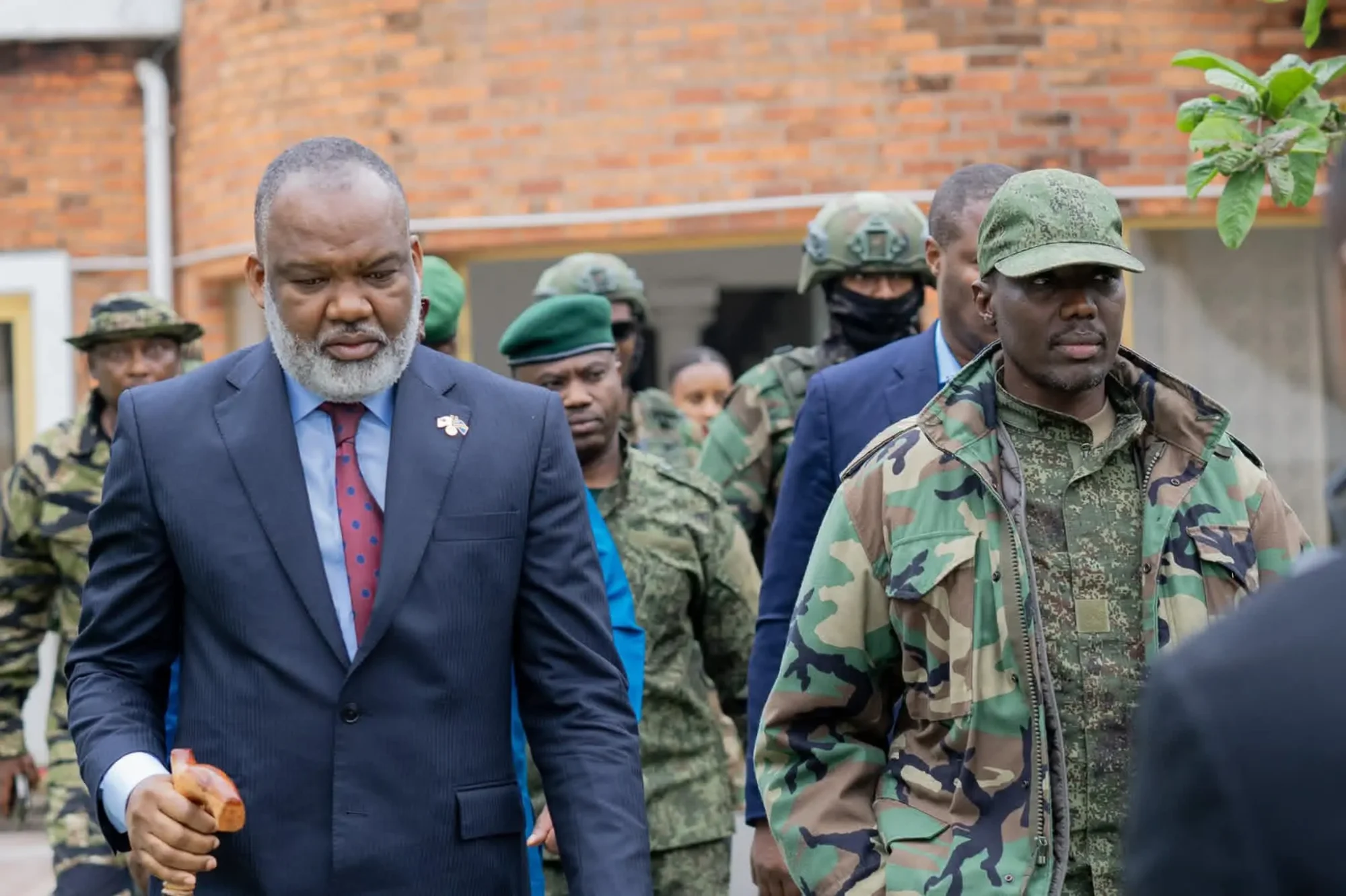
For the M23, the charge is no longer about ceasefire since they can always point to the drone strike that killed Col Ngoma as an excuse for fighting on.
The group, which captured Goma and Bukavu, capitals of North and South Kivu, in early 2025, have since established a parallel government in eastern DR Congo, launching infrastucture projects and earning mineral tax revenues in excess of $1 million a month.
In December, the M23 launched offensive on Uvira, the border town with Burundi, and overran it. However, international pressure forced the group to pull out days later as a ceasefire came into effect.
