

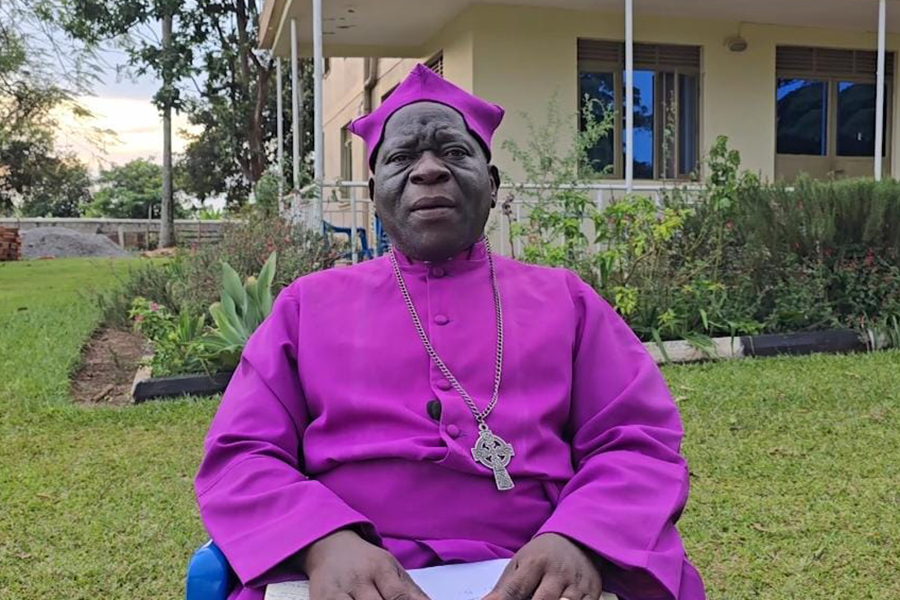
Bishop James Bukomeko of the Anglican Diocese of Mityana has cautioned politicians against accusing religious leaders of political bias or blaming them for electoral losses.
Speaking amid rising tensions following recent elections, Bishop Bukomeko said clergy increasingly face criticism from political actors upset over the lack of support during campaigns.
“Our responsibility as religious leaders is to speak for those who have no voice and to guide society on moral issues,” he said. “When we speak against wrongdoing, it should not be interpreted as political alignment.”
He stressed that the Church’s role is to promote accountability, justice, and ethical leadership—not partisan interests. Attempts to intimidate or accuse religious leaders, he warned, undermine their independence and distract them from their pastoral mission.
The Bishop also urged political contestants—both winners and losers—to embrace reconciliation after the 2026 general elections, noting that elections are temporary but community relationships are long-term.
“Those who win and those who lose should forgive one another and work together. Unity after elections is what enables leaders to serve the people effectively,” he said.
Highlighting post-election frustrations, especially among candidates who lose positions or resources invested during campaigns, Bishop Bukomeko urged that such frustrations should not translate into blame, conflict, or hostility toward institutions, including religious bodies.
He revealed that religious leaders in the diocese have recently faced increased pressure from political supporters unhappy with election outcomes, emphasizing that offering moral guidance does not make clergy political actors.
“Our duty is to speak the truth where necessary and promote peace and justice. That does not make us politicians,” he said.
Mityana District remains politically competitive, with four constituencies—Mityana Municipality, Busujju, Mityana North, and Mityana South—and a voter population estimated at over 214,000.
The Bishop urged political leaders and supporters to prioritize peace, tolerance, and cooperation as the district moves forward post-elections.
“Politics should not divide communities permanently. After the contest, what matters most is service to the people,” he said.
His message aligns with calls from religious leaders nationwide for peaceful political engagement, mutual respect, and responsible leadership during and after electoral cycles.
