

AGRA and the Government of Uganda, through the Ministry of Finance have begun implementing the Scaling Solutions for Food Loss Reduction in Africa program (RE-GAIN).
The program is expected to reduce food loss in the agricultural sector by supporting farmers with affordable technologies, such as solar dryers and hermetic storage, and creating an enabling environment through policy alignment and improved access to climate finance and data systems.
Uganda is one of the seven African countries, alongside Burkina Faso, Ethiopia, Kenya, Malawi, Tanzania, and Zambia, to benefit from the five-year program.
The RE-GAIN program, which will run from February 2025 to February 2030, will benefit about 400,000 smallholder farmers in Uganda out of a total target of 2.6 million across the participating countries in Africa.
Uganda will receive USD14 million from the total confirmed program funding of USD105 million with the other 6 countries also receiving U$14 million each.
AGRA and program partners, particularly the National Designated Authorities (NDA) for the Green Climate Fund (GCF) held an inception meeting last week, in Nairobi, Kenya to mark the commencement of the implementation phase of the RE-GAIN program.
The regional meeting served as a platform to strengthen collaboration and networking among the National Designated Authorities (NDAs) from the seven African countries to increase climate finance and investment flows to the continent with countries most vulnerable to climate change.
Africa receives a meagre share of the available international climate finance and faces significant investment gaps in both mitigation and adaptation.
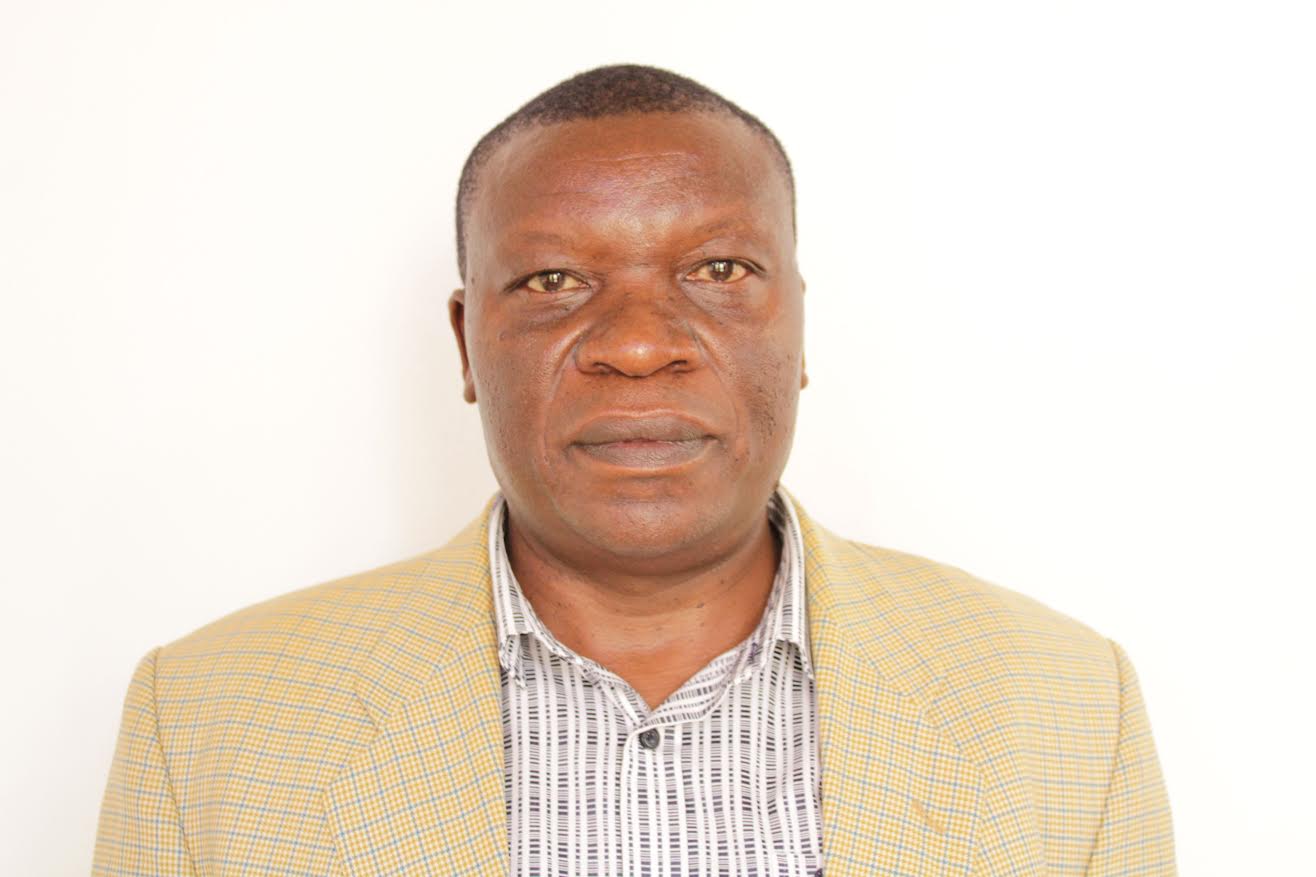
“The meeting aimed to address regional and sectoral imbalances in climate finance inflows,” said Mr. David
Wozemba the AGRA Uganda Country Director.
According to Mr. Wozemba Africa’s climate finance flows must at least quadruple annually until 2030 to meet the
investment needs for implementing its current Nationally Determined Contributions (NDCs) with only 23% of the estimated Africa’s needs currently being met.
The investment gap is significant for both mitigation and adaptation objectives, with only 18% of annual mitigation needs and 20% of adaptation needs being met in 2021/22.
“While the overall climate finance and funding has increased, the sectoral mix in climate flows has remained largely unchanged since 2019/20. The strengthening of the NDA network in Africa is intended to address the existing regional and sectoral imbalances that exist in climate finance in-flows, Mr. Wozemba said.
In Uganda, initial activities of the RE-GAIN Program are already underway, including the identification of local partners to facilitate the program's implementation to reach farmers, manufacturers and suppliers of food loss reducing technologies, and financial institutions.
“RE-GAIN will leverage existing financial institutions to increase the flow of local adaptation investments towards farmers” Mr Wozemba said.
“A national inception meeting is being organized to ensure coordination and promote national ownership of the program for its long-term sustainability. A key follow-up activity will be the formation of a national steering committee to oversee the program's implementation at the country level,” he added.
The RE-GAIN program in Uganda is expected to significantly reduce food loss through the deployment of food loss reducing technologies.
It will also work to strengthen the supply of these technologies by increasing the capacities of local manufacturers. The
program aims to collaborate with financial institutions to increase financial flows for investments in food loss reduction.
Over the five-year period, RE-GAIN will also engage with government entities and systems that support smallholder farmers, ensuring that government climate change accounting officers and systems are included in the program management and oversight structures.
