

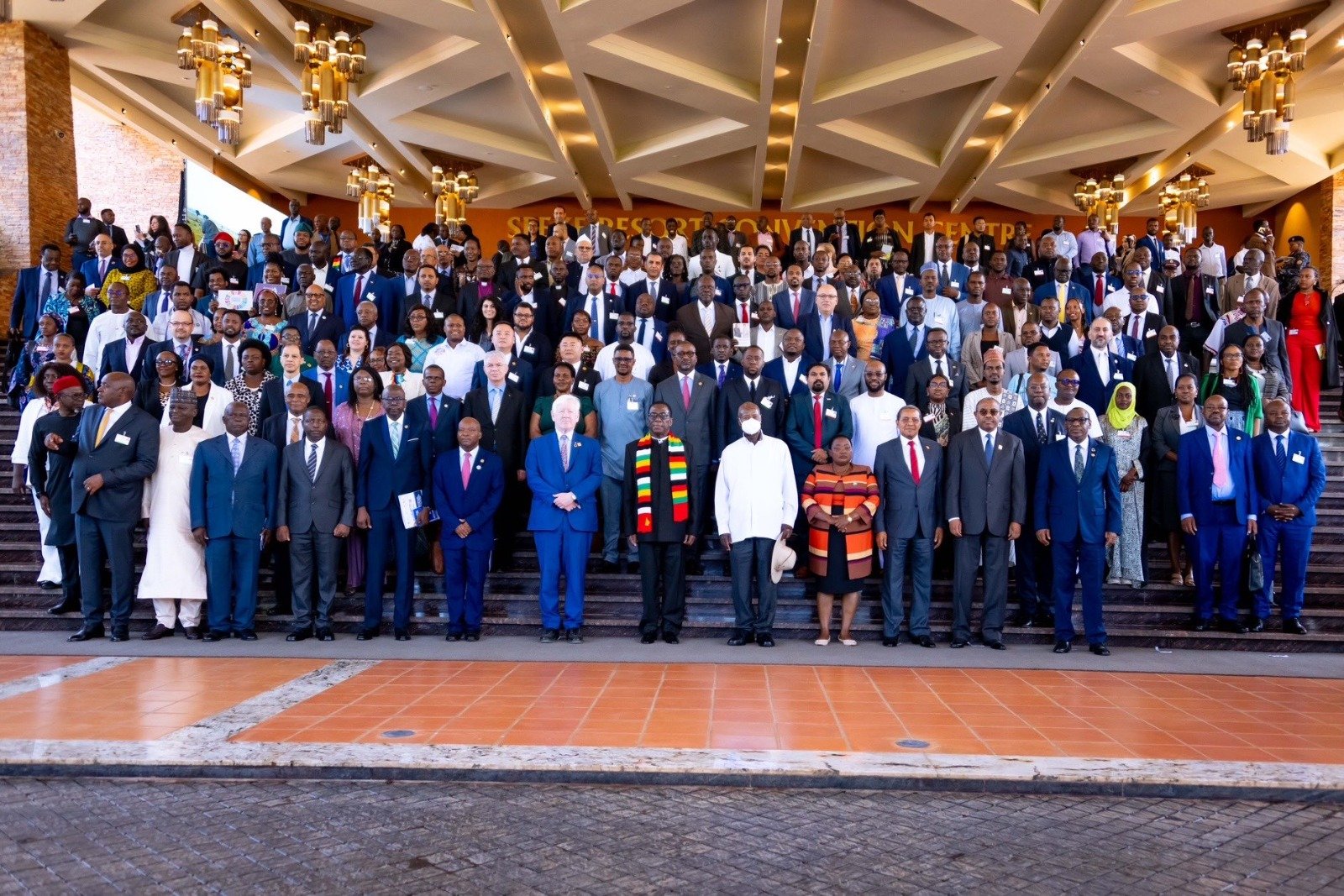
President Museveni has urged African countries to address strategic development bottlenecks and accelerate their shift from pre-industrial to industrial economies, emphasizing regional integration as a cornerstone for sustainable growth.
Speaking at the 11th Session of the Africa Regional Forum on Sustainable Development (ARFSD), Museveni outlined Uganda’s economic journey—from the colonial-era “enclave economy” to a diversified, knowledge-based economy marked by advancements in local vaccine production and automobile manufacturing.
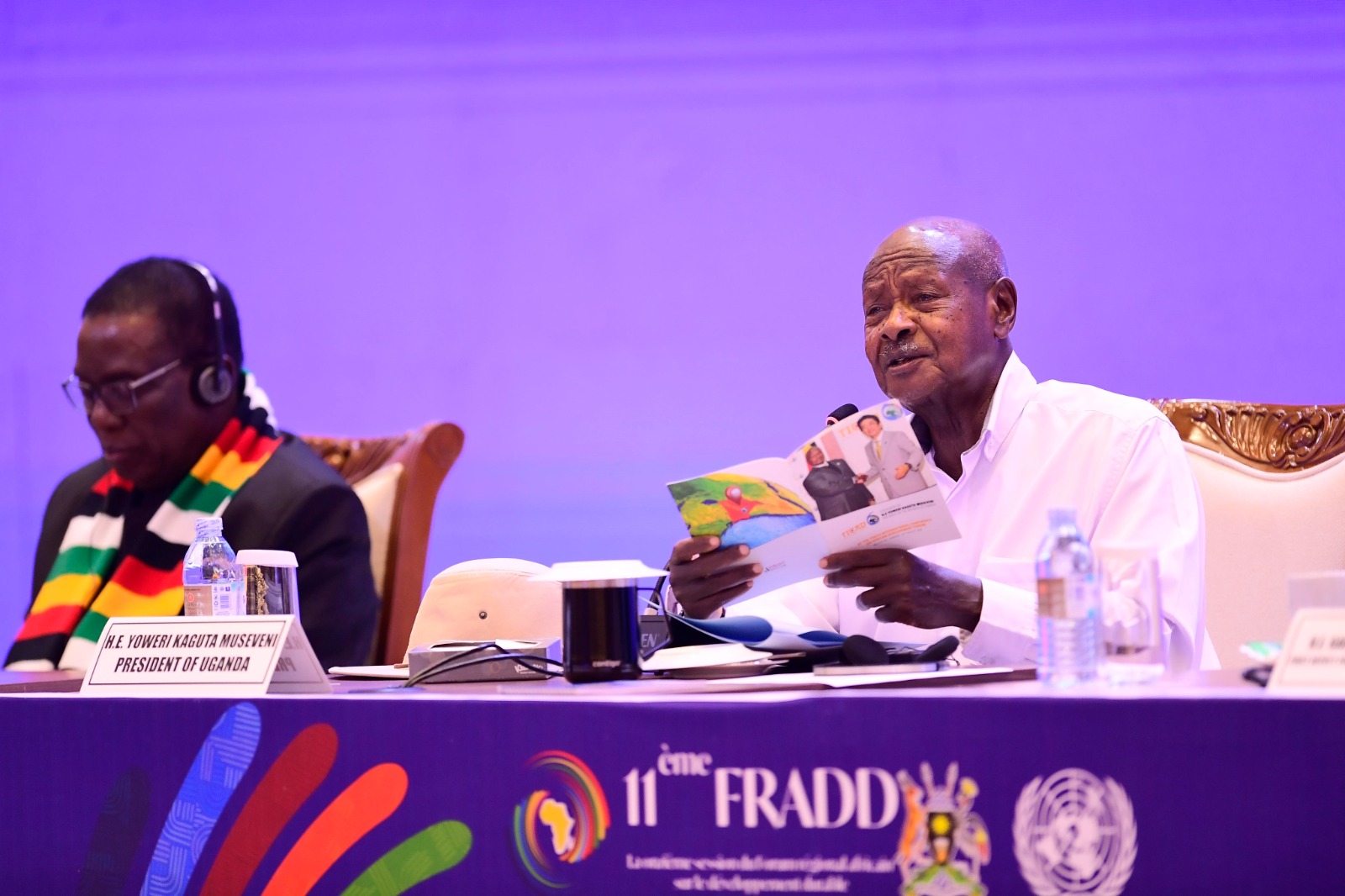
He highlighted Uganda’s efforts to tackle 10 strategic bottlenecks hindering development and encouraged other African nations to adopt similar strategies.
Central to his message was the country’s agricultural potential, where 40 million acres are suitable for farming.
“If we use only 7 million acres and each acre creates seven jobs, we shall generate over 100 million jobs,” he said, stressing the importance of job creation not just in agriculture but across industry, services, and ICT sectors.
The president also called for a mindset shift, urging African societies to move beyond subsistence farming and embrace class transformation through education, innovation, and entrepreneurship.
“How can we have a peasant producing another peasant? The peasant must disappear and we get other classes,” he asserted.
In closing, Museveni reiterated the importance of African integration, warning that isolated national efforts would not be enough to deliver meaningful and lasting progress.
“Everything we can do and will do relies heavily on African integration,” he said.
The ARFSD is a United Nations platform bringing together policymakers, experts, and stakeholders to assess progress on the Sustainable Development Goals (SDGs) across Africa.
This year’s session focused on accelerating innovation, investment, and inclusive growth in pursuit of the 2030 Agenda and the African Union’s Agenda 2063.
