

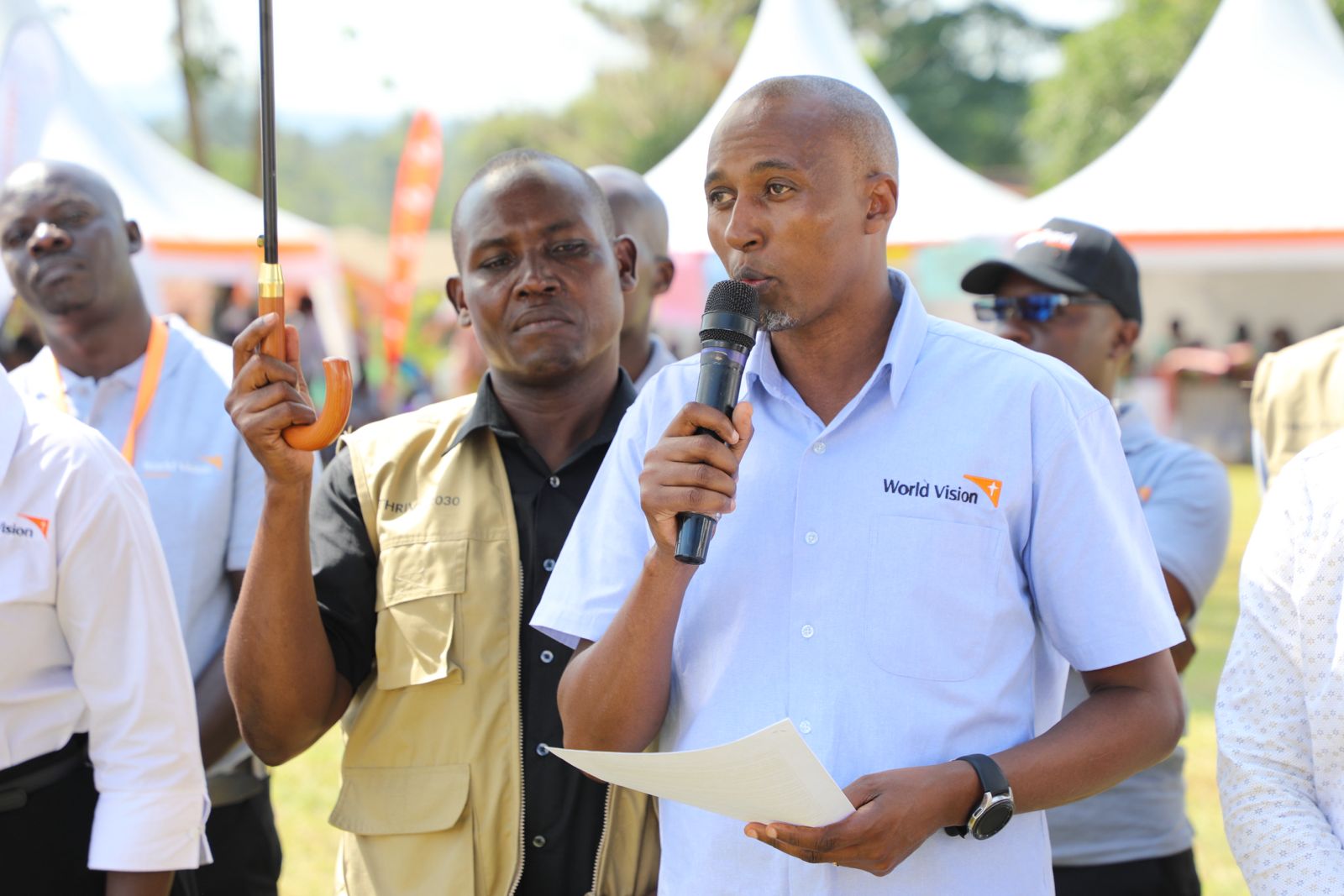
Local leaders and beneficiaries in Ngogwe have praised World Vision Uganda for its transformative efforts in the community and have called on the government to sustain the services introduced by the organization.
This comes as World Vision concludes its 17-year Ngogwe Area Programme.
Speaking at the close-out ceremony, leaders echoed these sentiments, expressing their gratitude for the work World Vision has done in improving livelihoods and empowering households.
They emphasized that World Vision has greatly impacted the community, especially in the areas of child protection and economic empowerment.
Janes Mbalule, the Ngogwe subcounty chairperson, told Nile Post that World Vision has significantly affected their community.
“We have seen how this organization has empowered households and improved livelihoods. We now urge the government to sustain these gains,” Mbalule said.
Beneficiaries of the programme also acknowledged the significant improvements brought by World Vision, particularly in education, highlighting that before World Vision's intervention, the education system was struggling.
“Before World Vision came, the education system was struggling. They revived it and gave the children a brighter future,” said Elisha Kyaze, a beneficiary.
Kawah James, World Vision’s Programs Director, urged the government to intervene in critical areas such as sanitation and education to ensure the community continues to thrive.
He emphasized that it is crucial for the government to step in, especially in improving sanitation at household levels and upgrading educational facilities.
In addition to sanitation, Kawah noted that many schools in the district still require proper infrastructure and resources to ensure children receive a quality education.
While World Vision’s efforts in improving education have had a positive impact, more support is needed to create lasting change.
World Vision Uganda’s Ngogwe Area Programme has been a cornerstone of development in the community since its establishment in 2007, focusing on a holistic approach that includes economic empowerment, child protection, and improved access to education and health services.
