

As the planet heats up from the effects of climate change, so, too, can conflicts.
At the U.N. Security Council on Wednesday, diplomats discussed the importance of recognizing global warming as a risk factor that can exacerbate intercommunal tensions and drive recruits into the hands of terrorist groups.
"Climate change is inextricably linked to some of the most pressing security challenges of our time," U.N. Deputy Secretary-General Amina Mohammed told the council. "We must understand climate change as one issue in a web of factors that can lead to conflict. Within this web, climate change acts as a threat multiplier, applying additional stress on prevailing political, social and economic pressure points."
Climate-related factors increasingly play a role in the escalation of conflicts between both neighbors and tribes.
"In the uncertain political situation, as is the case in the Middle East, the inequity of access to water represents a real threat to peace and stability," said Iraq's Minister of Water Resources Hassan Janabi.
Two major rivers, the Tigris and Euphrates, run through Iraq, but 90 percent of the country is affected or threatened by desertification and water scarcity due to global warming, he said.
The rivers can also be cause for tensions with the neighbors. The Tigris and Euphrates start in Turkey and flow through or by Syria and Iraq. Last month, Baghdad became alarmed when Ankara said it would start holding back water from the Tigris for a dam project weeks earlier than expected, threatening its water supply.
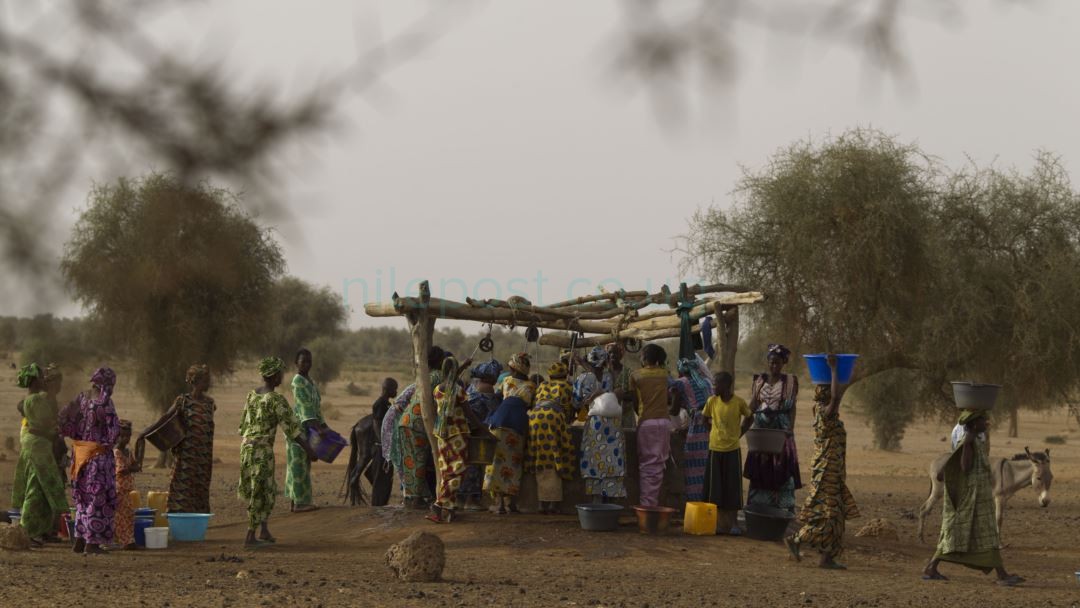
In other parts of the world, decreased rain and snowfall, drought and warming temperatures are diminishing water resources and complicating daily life for nomadic and agricultural communities.
"More than 80 percent of our communities in Sahel, in particular in my region, depend from the environment, depend from agriculture, from fish, from livestock," Hindou Ibrahim of the International Indigenous People Forum on Climate Change told the council. She said nomadic peoples follow the water and grazing land, and it is shrinking, leading to conflict.
"That is the local conflict who grow up every day, and these local conflicts become national conflicts and become regional conflicts," she said. "And worse, it becomes a fertile place for terror, as the terrorists grow around all these places."
As economies decline, unemployment grows and poverty and idleness leave people vulnerable to terrorists recruiting tactics. And it is not just men and boys — growing numbers of women are also being recruited by these groups.
What can be done?
Most council members welcomed the discussion and an improved understanding of climate-related risks.
Sweden, which convened the debate as council president, plans to launch a hub for climate security in Stockholm later this summer.
"This hub will increase collective understanding of these issues and be available to the U.N. and other actors by providing evidence-based analysis," said Foreign Minister Margot Wallstrom.
Baron Waqa, president of the small Pacific island state of Nauru, urged the U.N. to create a special representative on climate and security to monitor potential tipping points between climate and security.
"The [security] council needs better climate-related security risk information, analysis and early-warning mechanisms to be able to make informed decisions and carry out its main functions — preventing conflict and sustaining peace," he said.
