
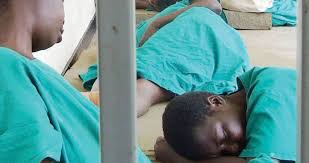
In Uganda, where cultural identity plays a central role in shaping communities, conversations around mental health are increasingly revealing a complex tension between tradition and modern healthcare. While awareness of mental health issues is growing, deeply rooted beliefs and social norms continue to influence how these conditions are understood and treated.
For generations, many Ugandan communities have interpreted mental health conditions through cultural and spiritual lenses. Symptoms of depression, anxiety, or psychosis are often attributed to supernatural causes such as witchcraft, ancestral spirits, or curses. As a result, families frequently turn first to traditional healers, religious leaders, or community elders for guidance and treatment.
This cultural framework, while offering comfort and familiarity, can sometimes delay access to clinical care. Mental health professionals warn that late intervention often worsens outcomes, particularly for children and adolescents whose conditions may go unrecognized or misunderstood for years.
At the same time, cultural structures provide important forms of support. Extended family systems, communal living, and strong social ties can offer emotional safety nets that are less common in more individualistic societies. In times of distress, these networks often step in to provide care, financial support, and a sense of belonging.
However, stigma remains one of the most significant barriers. Mental illness is still widely associated with weakness, shame, or even danger. Many families choose to hide affected members rather than seek help, fearing discrimination or social exclusion. This silence has contributed to a hidden burden of mental health challenges across the country.
Health experts in Uganda are increasingly calling for a balanced approach—one that respects cultural values while promoting evidence-based care. Integrating traditional and modern systems is seen as a promising pathway. Some initiatives are already working to train traditional healers to recognize signs of severe mental illness and refer patients to medical facilities when necessary.
Religious institutions, which hold significant influence in Ugandan society, are also playing a growing role in mental health awareness. Faith leaders are being encouraged to incorporate mental health education into their teachings, helping to shift perceptions and reduce stigma within their congregations.
Young people, particularly in urban areas, are driving change. Exposure to global conversations through social media and education has led to greater openness about mental health. Many are challenging outdated beliefs and advocating for accessible, non-judgmental support systems.
Despite these shifts, Uganda’s mental health system continues to face structural challenges, including limited funding, a shortage of trained professionals, and uneven access to services between urban and rural areas. Bridging the gap between cultural practices and clinical care will require sustained investment, policy support, and community engagement.
As Uganda navigates this evolving landscape, the intersection of culture and mental health remains both a challenge and an opportunity. By fostering dialogue and building trust between traditional and modern approaches, the country has the potential to create a more inclusive and effective mental health system.
The path forward lies not in choosing between culture and science, but in finding ways for both to coexist in support of the well-being of all Ugandans.
