
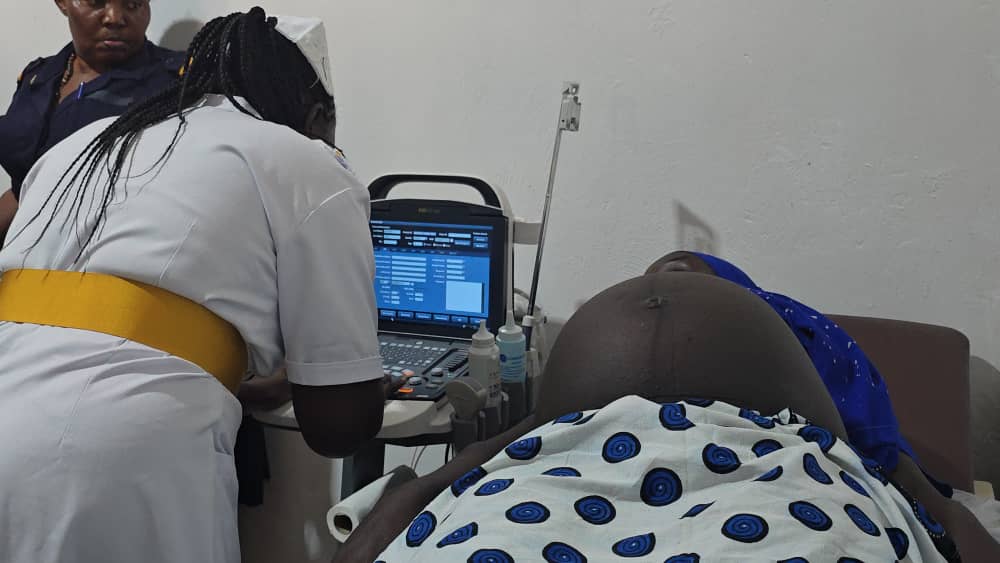
Bulambuli District Woman MP aspirant Sarah Nambozo has donated vital medical equipment to Muyembe Health Centre IV, including an ultrasound scanner, ultrasound printer, delivery beds, and theatre lights.
The gesture, widely praised for easing the burden on expectant mothers, has also sparked debate over the timing of such contributions.
Elgon Region Elections Manager Sarah Bukirwa clarified that aspirants are currently free to make donations, as they are not yet bound by electoral laws.
However, she cautioned that once nominations — scheduled for October 22nd and 23rd — are completed, such acts could be interpreted as voter bribery if deemed to influence electoral outcomes.
“After nomination, any form of donation can attract disqualification if it contravenes the electoral guidelines,” Bukirwa explained.
Observers note that aspirants like Nambozo are using philanthropy to build political capital by addressing visible service delivery gaps, particularly in sectors such as health and education.
In communities facing persistent challenges, donations often serve both as humanitarian gestures and strategic moves to gain early public favor.
Nambozo, who is the ruling National Resistance Movement party flagbearer, insisted her initiative was purely humanitarian, aimed at improving maternal healthcare and reducing the cost of services for rural women.
Carolin Chalangat, a nursing officer at the facility, emphasized the urgent need for the equipment.
“Mothers have been forced to travel all the way to Mbale for ultrasounds, each costing Shs25,000 shillings. Considering the three mandatory scans and travel expenses, the financial burden on rural women has been significant,” Chalangat said.
As the 2026 general elections draw closer, the line between genuine community service and early campaign mobilization continues to blur, turning service delivery shortfalls into platforms for political influence.
