
Hepatitis B continues to affect a significant portion of Uganda's population, with 4.1% of adults living with the virus, according to Uganda Population-based HIV impact assessment survey 2016.
Although largely preventable and treatable, the infection remains one of the most under- recognised public health threats, especially when compared to HIV and malaria.
The virus is transmitted through contact with infected blood, unprotected sex, and from mother to child during childbirth. Health officials warn that low public awareness and limited resources are preventing effective control of the disease.
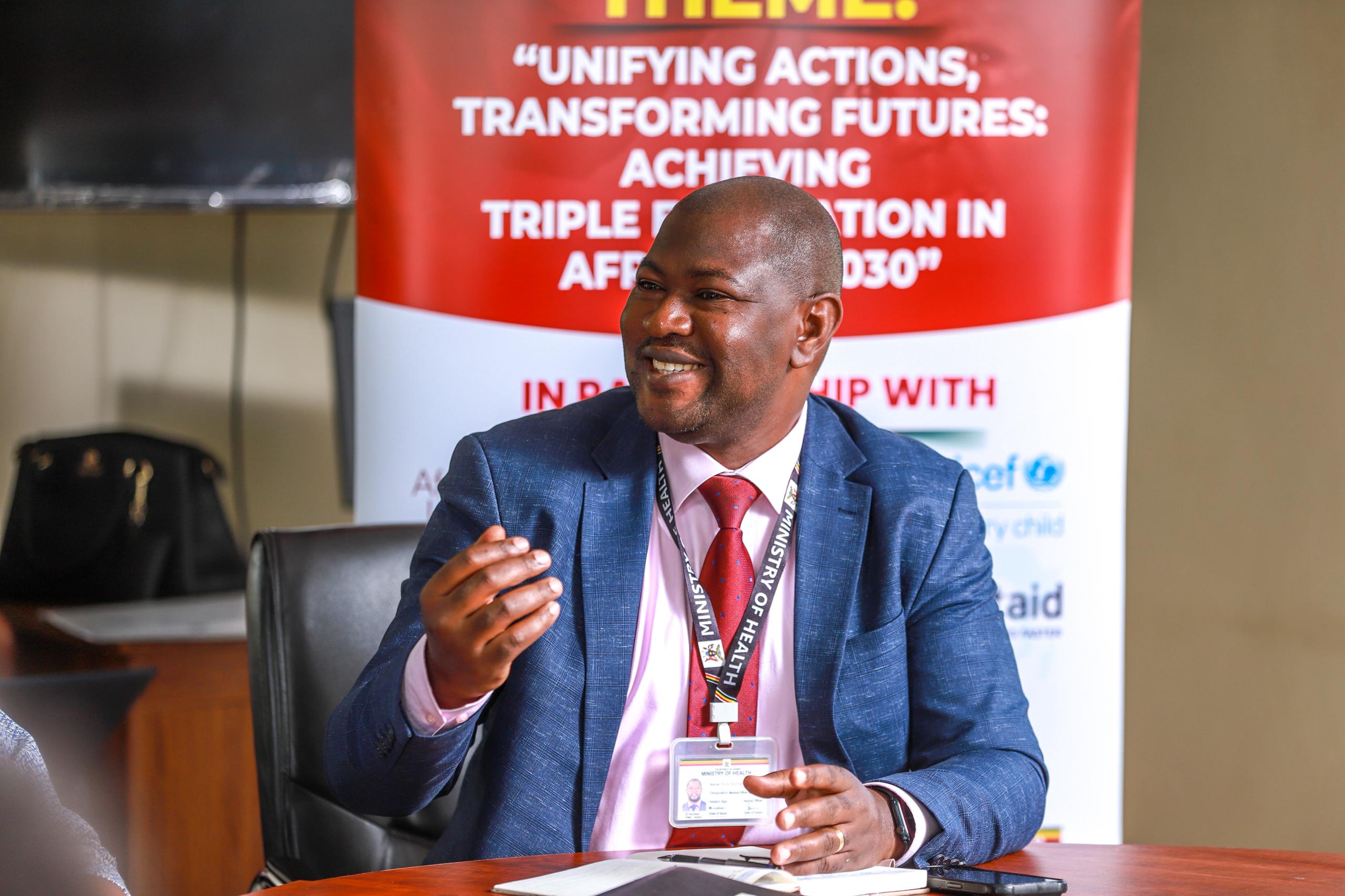
Dr. Ronnie Bahatungire, Commissioner for Clinical Services at the Ministry of Health, says that the government has stepped up efforts to tackle hepatitis B through a National Viral Hepatitis Strategic Plan (2023–2028).
The plan targets a 50% reduction in new infections, improved access to testing and treatment, and better integration of hepatitis services into Uganda’s health system.
“We’ve diagnosed over 260,000 people and linked them to care. We’ve also made essential services like viral load testing and treatment available in designated facilities,” says Dr. Bohartungi.
Despite these efforts, health experts say geographic disparities in infection rates persist. The Karamoja, Northern, and Southwestern regions have recorded higher prevalence rates than the rest of the country, according to findings from the Uganda Population-Based HIV Impact Assessment (UPHIA).
As Uganda joins the world to commemorate World Hepatitis Day under the theme “It’s Time for Action,” officials are calling for stronger community outreach, routine testing, and early detection—especially in hard-to-reach areas.
“We must fight hepatitis B with the same energy we’ve used for HIV,” one official urged. “Only then can we close the gap in awareness, prevention, and care.”
