
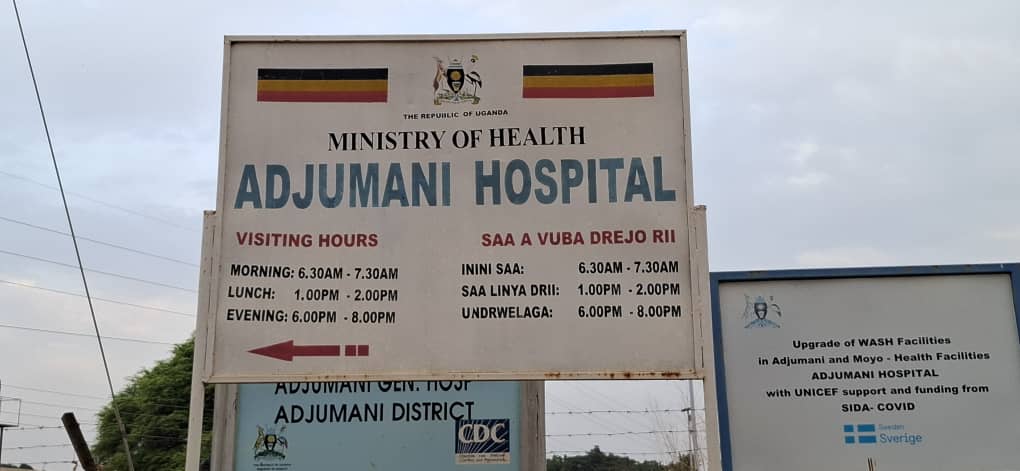
Health facilities in Adjumani District, serving both host and refugee communities, have received medical supplies worth Shs 102 million to improve access to family planning services.
The support, delivered in partnership with the Ministry of Health, Reach A Hand Uganda, ACODEV, and the District Health Office, is aimed at reducing unintended pregnancies and unsafe abortions in the region.
Despite these efforts, Adjumani continues to experience shortages of essential medicines, hampering service delivery.
Irene Tobias Letio, a project officer at ACODEV in Adjumani, said that between 2023 and 2025, a comprehensive family planning project is being implemented across Adjumani, Moyo, and Obongi districts.
“Our target is to reach 100,041 women and men with family planning information and services, including 66,337 people in Adjumani District alone,” Letio said.
She noted that under the UDecide initiative, the project focuses on empowering individuals to make informed decisions about family size and reproductive health.
“We’re especially targeting adolescents aged 12–24 and older men above 35 to ensure equitable access and understanding,” she added.
Henry Leku Lulu, the Assistant District Health Officer in charge of maternal and child health, said health workers have stepped up community sensitisation to promote informed sexual and reproductive health choices among both nationals and refugees.
“We are grateful for this support. It will boost service delivery, especially in family planning. We continue to encourage families to plan for manageable household sizes,” Lulu said.
To further drive the campaign, health officials and their partners have rolled out community outreaches, market dialogues, and male engagement forums aimed at debunking myths and providing accurate family planning information.
Efforts are also underway to promote adolescent sexual and reproductive health rights and expand youth-friendly services across the district.
Adjumani Resident District Commissioner, Peter Taban Data, acknowledged that the district’s large refugee population places additional pressure on health services.
“The high refugee numbers pose a challenge in delivering adequate healthcare to both refugees and host communities. However, the government remains committed to improving health service delivery,” Taban said.
To address these challenges, stakeholders emphasized the need for increased investment in healthcare infrastructure, improved supply chain management, enhanced training and retention of medical personnel, and better integration of services for all community members.
