


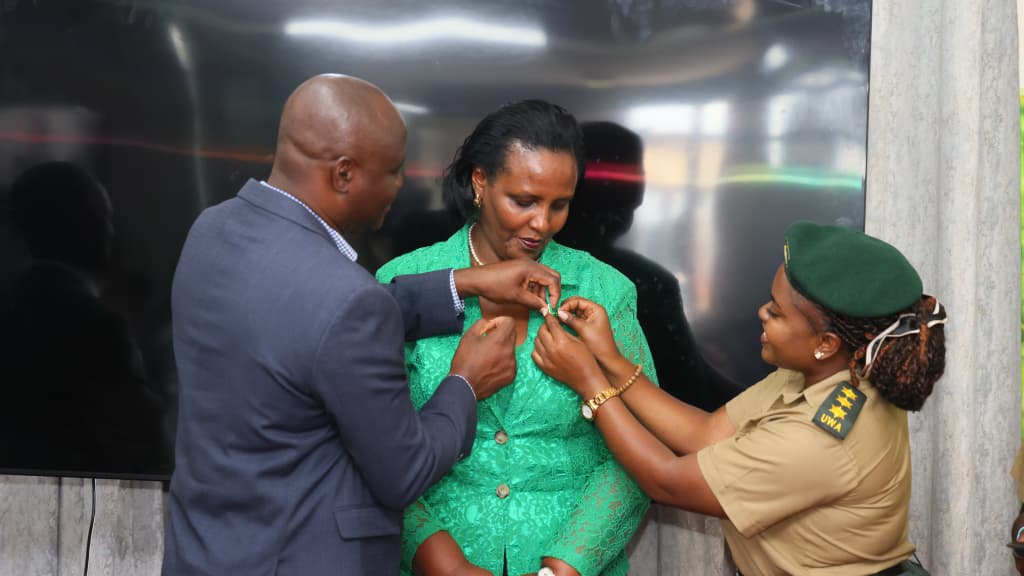
Uganda Wildlife Authority (UWA) has officially inaugurated a new cohort of Honorary Wildlife Officers, reinforcing Uganda’s commitment to conservation, community engagement, and sustainable tourism growth.
The inauguration took place during the Annual General Meeting of Honorary Wildlife Officers, bringing together conservation leaders, government officials, and stakeholders from the tourism and environmental sectors.
Speaking at the event, UWA Executive Director James Musinguzi described honorary wildlife officers as an essential bridge between communities and conservation institutions.
“This occasion gives us the opportunity to reflect on the contribution of honorary wildlife officers, strengthen collaboration, and officially welcome new members into the conservation fraternity,” Musinguzi said.
He noted that the Honorary Wildlife Officers framework, established under the Uganda Wildlife Act, continues to support conservation through community mobilisation, advocacy, intelligence sharing, and environmental stewardship.
Musinguzi highlighted several milestones achieved by the Authority, including investments in visitor information centres, park gates, ranger outposts, and the acquisition of new operational equipment.
He revealed that UWA expects to receive more than 50 Land Cruiser vehicles to strengthen field operations, alongside increased deployment of technology in surveillance and anti-poaching activities.
On conservation progress, Musinguzi pointed to ongoing wildlife census exercises, expansion of protected areas, and new tourism opportunities linked to chimpanzee habitats. However, he acknowledged persistent challenges such as human-wildlife conflict and invasive species.
Congratulating the newly appointed officers, he urged them to serve with patriotism and professionalism as ambassadors of conservation within their communities.
UWA Board Chairperson James Karema underscored the central role communities play in the success of conservation efforts.
“Communities are our number one partners in conservation,” Karema said. “We must continue building bridges with them and ensure they benefit from wildlife resources if conservation is to be sustainable.”
He urged the newly inaugurated Honorary Wildlife Officers to remain active, visible, and committed to their responsibilities.
“You are now ambassadors of conservation. Your responsibility is to promote awareness, protect wildlife, and strengthen the relationship between communities and conservation institutions,” he added.
Karema also emphasized the importance of governance, leadership, and collaboration in strengthening UWA’s mandate, calling on stakeholders to continue supporting conservation initiatives across the country.
Representing the Ministry of Tourism, Wildlife and Antiquities, Basil Ajer delivered remarks on behalf of the minister and highlighted the strong link between conservation and Uganda’s tourism performance.
He revealed that Uganda’s tourism sector generated more than 1.6 billion US dollars in revenue over the past year — the highest in the country’s history — while international arrivals surpassed 1.6 million visitors.
“These are clear indicators that conservation is working,” Ajer said. “Wildlife resources remain central to tourism growth, foreign exchange earnings, job creation, and national development.”
He added that visitation to national parks had increased significantly, reflecting growing global interest in Uganda’s natural attractions.
Ajer described conservation as not only an environmental obligation but also a strategic economic priority.
“The protection of our wildlife and natural heritage directly contributes to livelihoods, investment, and community transformation,” he said.
In a message from the minister, Ajer described the inauguration of Honorary Wildlife Officers as a significant step in strengthening citizen participation in conservation efforts.
“You are expected to become ambassadors of conservation in your communities, using your knowledge and networks to promote environmental protection and responsible resource use,” he said.
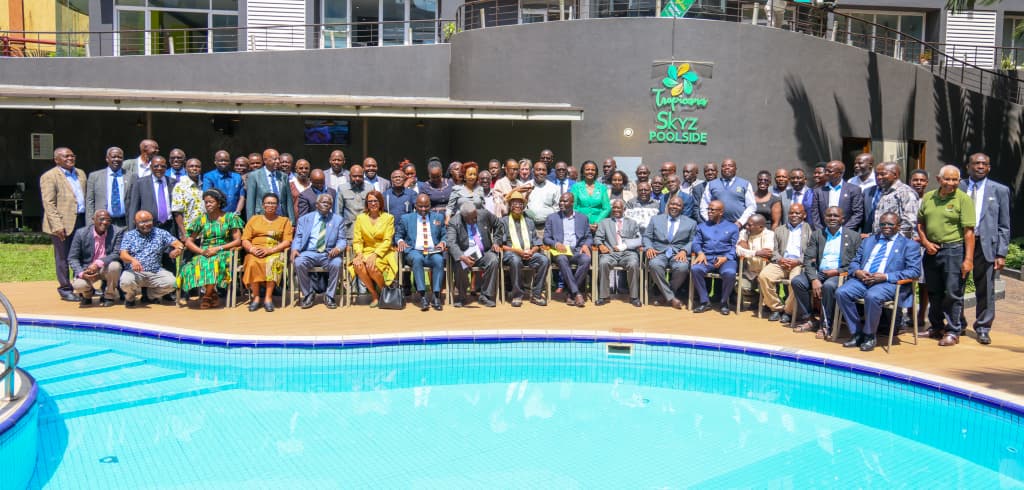
Officials at the event reiterated that the success of Uganda’s conservation agenda depends on stronger collaboration between government institutions, local communities, conservation partners, and individuals.
The newly inaugurated Honorary Wildlife Officers are expected to support awareness campaigns, reduce human-wildlife conflict, and promote sustainable environmental practices at the grassroots level.
Stakeholders noted that as Uganda positions itself as a leading global tourism destination, strengthening conservation structures such as the Honorary Wildlife Officers network will remain critical in protecting biodiversity while unlocking the economic value of the country’s natural resources.