
I must first disclose that I am a performing artist myself—both a musician and an event emcee. I come to this discussion from that background. It’s important to be transparent so that my perspective is better understood.
Also, let’s be honest—objectivity in its purest form doesn’t exist. We all carry biases, whether we admit it or not.
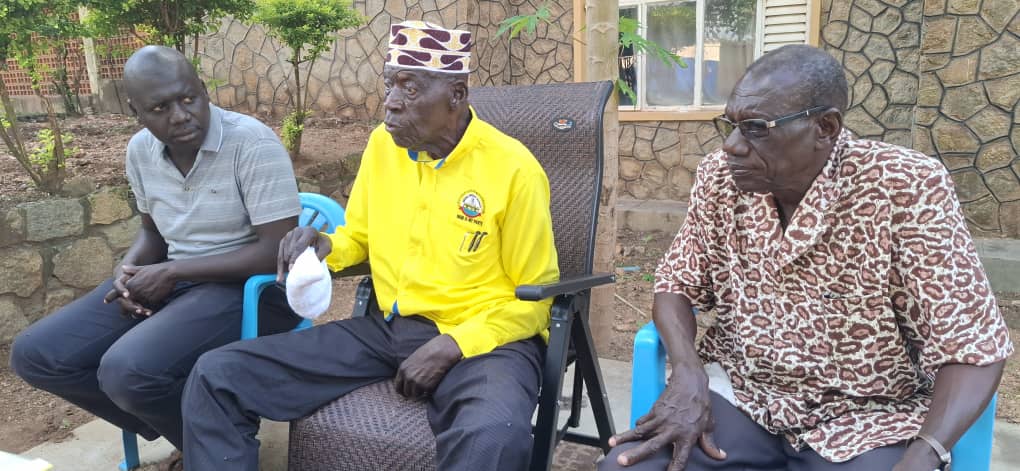
Not long ago, during a comedy performance, some reckless young people openly mocked Gen. Moses Ali. The act was as ignorant as it was offensive. It is hard to believe such a thing could take place on a public stage supposedly reserved for professional art.
To me, it was one of the most atrocious acts I have seen in Ugandan performance spaces. In a more serious society, this would have prompted an inquiry. Sadly, Uganda has long stopped taking such things seriously.
This incident exposes a glaring problem—performing artists today do very little research for their craft. That in itself is a travesty, especially when audiences are paying. These young comedians seem to brainstorm in isolation, come up with something they find amusing, and rush to the stage without professional oversight.
If you choose to caricature a public official, at least consult a lawyer to ensure you’re within the law. Do they even work with scriptwriters, directors, or research teams? If this were a meal being served to guests, would you simply throw ingredients together and hope they enjoy it? Did they think about the relatives of Gen. Moses Ali in the audience? Or his comrades from the days he led the Uganda National Rescue Front?
The blame must also fall on the event organiser. Alex Muhangi, as the organiser, has a duty of care to his paying audiences. It is his responsibility to ensure no act falls below acceptable moral and ethical standards. The absence of such gatekeeping points to negligence—if not a complete lack of oversight.
Artistic freedom is a fundamental right, but it is not absolute. Like many other rights, it can and should be subject to legal restrictions when it infringes on public order, morals, or the rights of others. Balancing artistic expression with legal and societal boundaries is crucial. Artists can push limits and challenge norms, but they must do so responsibly.
As someone who tells jokes myself, I know the creative process begins by deciding what you want to target before choosing how to deliver it. Were they mocking old age? A physical condition? What exactly was the punchline we were meant to laugh at?
I’ve tried to see the humour, but I can’t—perhaps because I know too much about ageing and illnesses like Parkinson’s disease, and can recognise the signs.
Comedy, I was taught, is a craft of sharp, intelligent minds. But what I saw was neither sharp nor intelligent—it was sloppy. And that sloppiness mirrors the wider culture of unseriousness that defines so much of our public life in Uganda, even as we blame the government for the state of affairs.
Because Nile Post’s editorial gates are tightly guarded, I must end here—before I run into the Askari, for whom word count is no laughing matter.
