
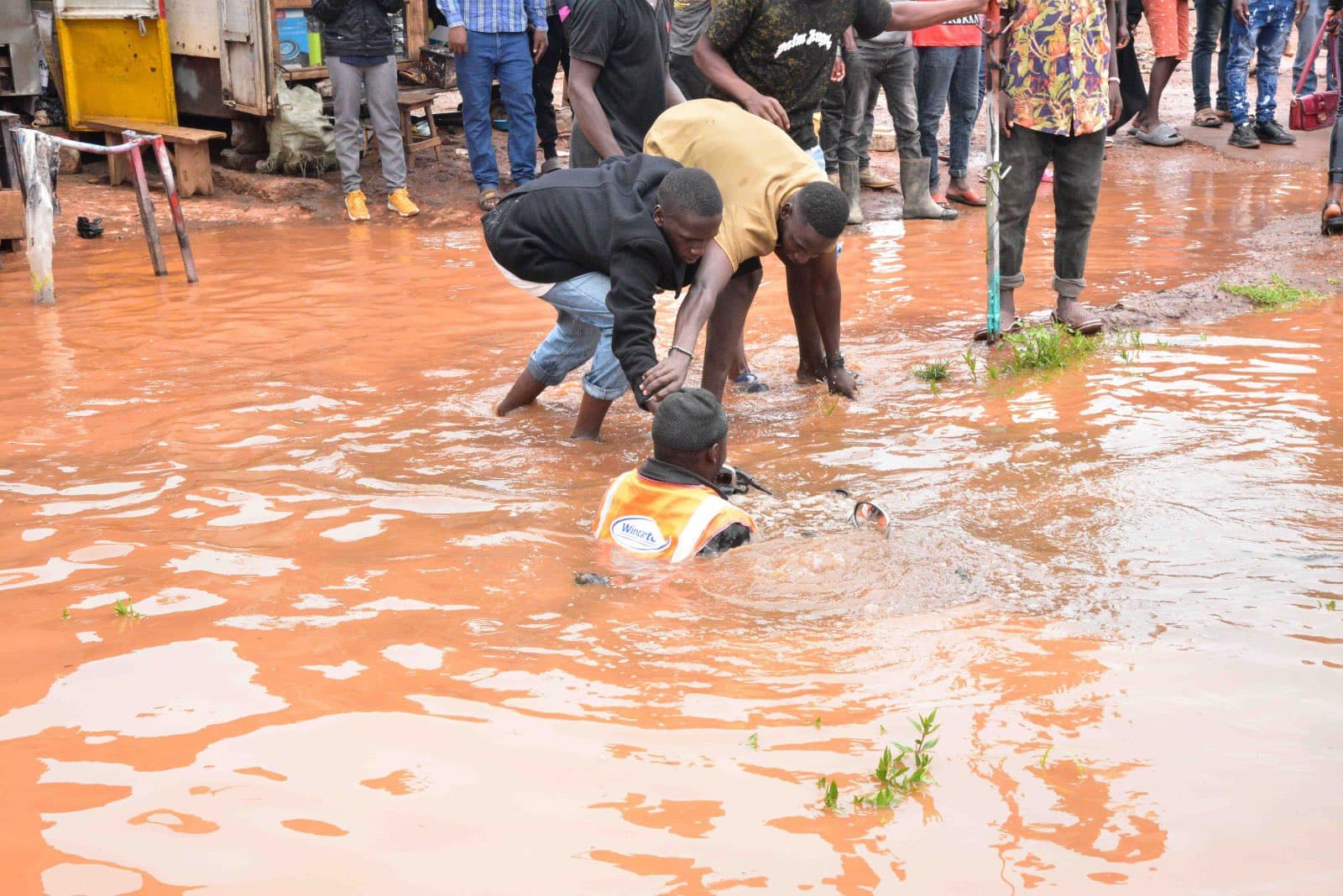
Let me begin here; Uganda lost Little Eliza Otim Kisa, just three years old, living in a one-roomed rental in Bukoto and baby brother, Ochaka Chon, only 11 months old. Perhaps they could have grown into a gifted musician, engineers, journalists or city planners. But they will never have the chance.
On March 27, 2025, as rain pounded the city in an unrelenting torrent, their home turned into a death trap. The water rose rapidly, creeping up like an unstoppable monster.
Their mother had locked them inside, as many struggling parents do when they must step out briefly. When she returned, there was only silence. Their little bodies were later pulled from the floodwaters.
Their tragic deaths, alongside those of five others—including a US Embassy employee who drowned while trying to navigate the floods on his motorcycle—paint a grim picture of a city whose authorities have failed it time and again.
Kampala, Uganda’s capital, has long been a ticking time bomb when it comes to flooding. Each shower exposes the fragility of its drainage systems, the recklessness of its urban planning, and the deep neglect by the Kampala Capital City Authority (KCCA).
This latest disaster, which saw streets turned into rivers, homes submerged, and livelihoods destroyed, raises the critical question: How much longer will the city’s residents have to suffer before real action is taken?
The heavy rains that began in the early morning of March 27 continued relentlessly, overwhelming Kampala’s already compromised drainage system. The worst-hit areas included Kinawataka, Bukoto, Bwaise, and Kasubi, locations infamous for perennial flooding.
The deadly waters swept away motorcycles, vehicles, and even people. Those who could find higher ground clung to poles and trees, watching helplessly as their homes filled up like bathtubs.
In Kinawataka, three unidentified bodies were recovered from the floods. In Lutete, near Kasangati, a man identified as George Bogere, an employee of the US Embassy, was found dead after being swept away while trying to ride his motorcycle home.
Roads became impassable, businesses were paralyzed, and hundreds of families lost property worth millions.
The Uganda National Meteorological Authority had issued warnings about impending heavy rains days before the floods. These warnings, however, went largely ignored by authorities. This was not the first time.
For years, meteorologists have been sounding the alarm about the increasing intensity of rains due to climate change, urging the government and KCCA to take proactive measures. But time and again, these warnings have been met with sluggish responses, empty pledges, and knee-jerk reactions after disasters have already struck.
Residents of flood-prone areas like Bwaise, Namuwongo, and Kinawataka have repeatedly pleaded with KCCA to fix drainage channels, but little has been done beyond sporadic clearing of blocked drains.
Why does it take loss of life for action to even be considered?
KCCA, the body tasked with managing and developing Kampala, has become synonymous with failure when it comes to handling disasters. Just last year, the Kiteezi landfill disaster made headlines when a section of the garbage dump collapsed, leaving communities exposed to toxic waste. And now, barely months later, Kampala is once again in the news—this time for flood-related deaths.
The problem is deeply systemic. KCCA has had a Drainage Master Plan in place since 2017, a document that was meant to be a blueprint for fixing the city's worsening drainage crisis.
The plan, estimated to cost over Shs700 billion, outlined a phased approach to overhaul the city's drainage system, expand water channels, and install flood management infrastructure.
But to date, implementation has been painfully slow. Projects that should have taken a few years to complete have either stalled due to corruption, lack of funding, or sheer inefficiency.
The 2016 Kampala Drainage Master Plan was ambitious. It proposed the following key interventions:
- Expansion of Major Drainage Channels: The plan identified primary flood hotspots and proposed widening and deepening drainage channels in Bwaise, Kalerwe, and Kinawataka.
- Construction of Retention Ponds: Large retention ponds were to be created in strategic locations to hold excess rainwater and prevent flash flooding.
- Upgrading Drainage Pipes and Culverts: The plan aimed to replace outdated and clogged drainage pipes with modern, high-capacity systems.
- Removal of Structures Built on Wetlands: Illegal settlements and commercial buildings constructed in flood-prone wetlands were to be cleared.
- Routine Maintenance and Desilting of Drains: Regular maintenance was proposed to keep drains free from silt and garbage.
Had this plan been implemented as scheduled, the deadly floods of March 27, 2025, might have been prevented—or at least mitigated.
Instead, KCCA remains trapped in a cycle of reacting to disasters rather than preventing them.
Funding for the drainage master plan has been a mystery. The World Bank, European Union, and other development partners have pledged financial support over the years, yet tangible results remain scarce. Residents have long suspected that funds meant for drainage projects are either mismanaged or embezzled. It is time for a full audit into KCCA’s expenditure on flood mitigation efforts over the past decade.
Beyond floods and landfill disasters, KCCA’s general approach to city management raises bigger concerns. Year after year, issues like garbage collection failures, road disrepair, and illegal constructions dominate headlines.
If the city's leadership cannot handle something as fundamental as proper drainage, what does that say about its capacity to manage a growing metropolis?
There are whispers in government corridors that Kampala’s issues run deeper than just inefficiency. Some suggest that land-grabbing cartels and politically connected business moguls stand to benefit from keeping the city in perpetual crisis mode.
With every disaster, new contracts are awarded, emergency funds are disbursed, and money changes hands. Could this be why meaningful progress never seems to happen?
The time for excuses is over. The leaders, and all KCCA officials responsible for infrastructure and urban planning must be held accountable for their failures. The public deserves to see resignations, sackings, and prosecutions—not just condolences.
The deaths of Eliza, Chon, George Bogere, and the others should not be in vain. Every Ugandan must demand answers. Where did the money for the drainage master plan go? Why are critical projects delayed year after year? Who benefits from Kampala’s dysfunction?
We cannot let KCCA continue to fail this city. If it cannot fix the problems, then perhaps the time has come to rethink about its significance. For now, as grieving families bury their loved ones, Kampala mourns yet another avoidable tragedy.
The question remains: How many more must die before real change happens?
