
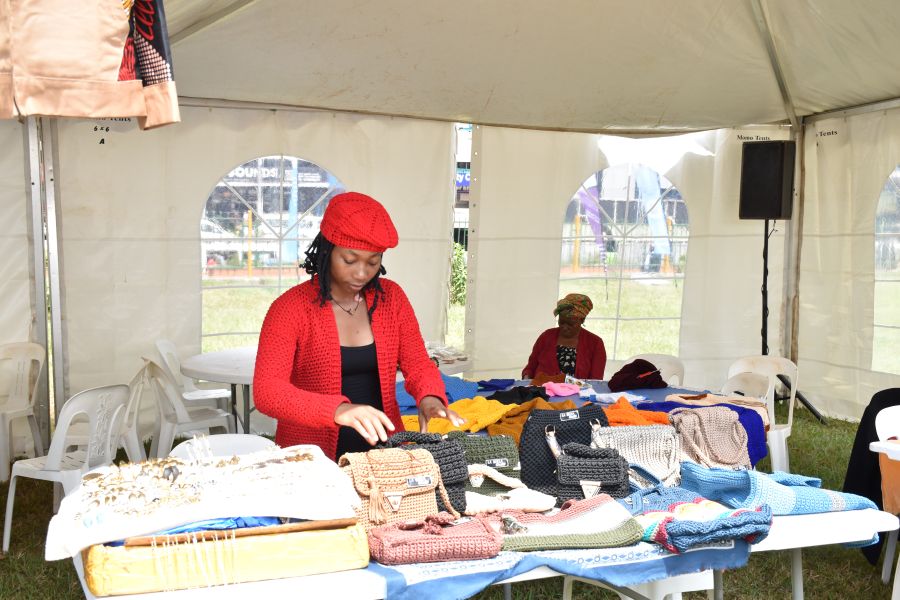
Refugee women entrepreneurs in Uganda under their umbrella body, the Association of Refugee Women in Uganda have called for increased support, better market opportunities, and designated spaces where they can sell their products as they seek to build sustainable livelihoods through business.
The call was made during the opening ceremony for the two day High Economy UG Trade Fair held at City Square in Kampala, where refugee women are to showcase products from their small businesses, including crafts, fashion items, and other handmade products.
The two-day exhibition will bring together refugee women engaged in different micro-enterprises, with organisers seeking to highlight their contribution to Uganda’s economy and create opportunities for them to connect with potential customers, partners, and investors.
Keghah Roger Nuah, Technical Advisor at the Association of Refugee Women in Uganda, said the initiative was aimed at changing the perception that refugees are only recipients of humanitarian support.
“Refugee women can contribute to driving innovation in the Ugandan economy. We are showcasing what refugee women can do and creating a platform where stakeholders can support these businesses and create markets for their products,” Keghah said.
He said many refugee women have moved beyond relying on aid and are developing businesses that support their families and communities.
“The previous method of giving aid and food support is not enough. With the global financial crisis and funding cuts affecting many organisations, the way forward is to empower refugee women with skills so they can earn an income and become self-sustaining,” he said.
The Association of Refugee Women in Uganda, a membership organisation for refugee women, supports members through skills development and entrepreneurship programmes aimed at improving their economic independence.
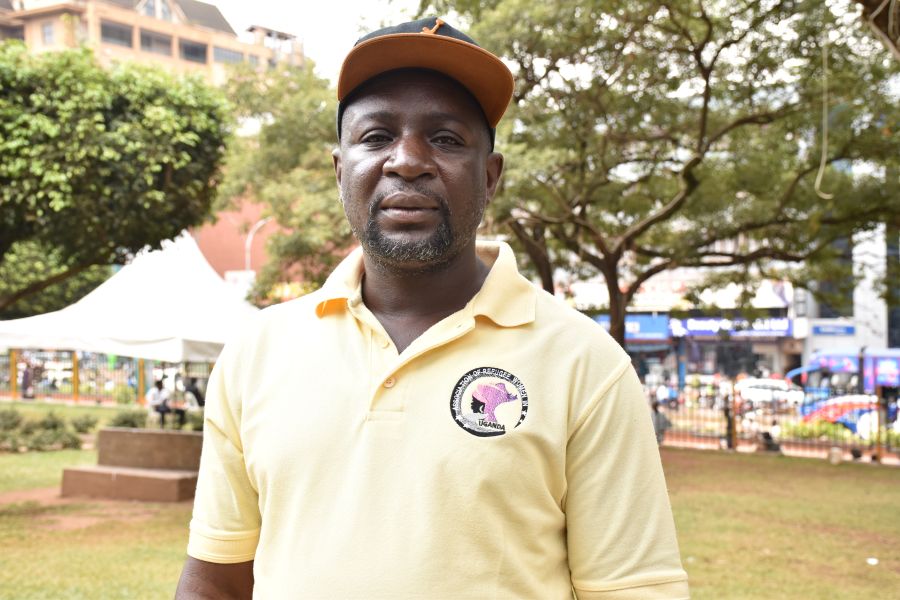
Keghah appreciated Uganda’s refugee policy, which allows refugees to work, move freely, and engage in business activities, but said small-scale entrepreneurs continue to face challenges accessing markets.
He however raised concern over the impact of enforcement against street vending in Kampala, which he said affects women who rely on small businesses to survive.
Keghah said many women risk losing their products during enforcement operations.
“Those boxes are not just boxes. Behind every box is a story of a woman trying to feed her family, pay school fees, cover medical bills, and pay rent,” he said.
He appealed to the Kampala Capital City Authority (KCCA) to consider measures that protect livelihoods while maintaining order in the city.
“Instead of permanently taking away their merchandise, there should be a way where people can face penalties but still recover their property,” he said.
According to Keghah losing merchandise often pushes entrepreneurs back into dependency because they are forced to seek support to restart businesses they had already built.
He called for the creation of designated marketplaces where refugee women and other small-scale traders can operate safely.
“If there is a space allocated as a refugee market, it can even become a tourism attraction where people come to see the innovations refugees are bringing into Uganda’s economy,” he said.
For 23-year-old Congolese artisan Grosha Iranga La Bella, crochet has transformed from a personal passion into a source of income.
Based in Kampala, Iranga runs a business specialising in crochet products, including bags, outfits, wall hangings, table mats, and door mats.
She said support from refugee organisations has helped her access exhibitions and meet new customers.
“Organisations supporting refugees have played a big role because they give us opportunities to exhibit our products at no cost. This helps us meet new people and connect with other entrepreneurs,” Iranga said.
However, she said many artisans continue to struggle because handmade products are not always valued enough in the local market.
“One of the biggest challenges is that many people, especially in Africa, do not fully understand the value of crafts,” she said.
Iranga appealed for opportunities that would enable artisans to access international markets and showcase their products beyond Uganda.
“I wish we could get more chances to enter international markets so we can meet more people in our sector and show the good work we are doing,” she said.
She also called for government support in reducing the cost of craft materials, saying high prices make it difficult for small businesses to grow.
“Craft materials are very expensive in Uganda. If prices can become fairer, we can grow our businesses and achieve our dreams,” she said.
The refugee women entrepreneurs say improved market access, affordable materials, and safer trading spaces would help them expand their businesses and contribute more meaningfully to Uganda’s economy.
