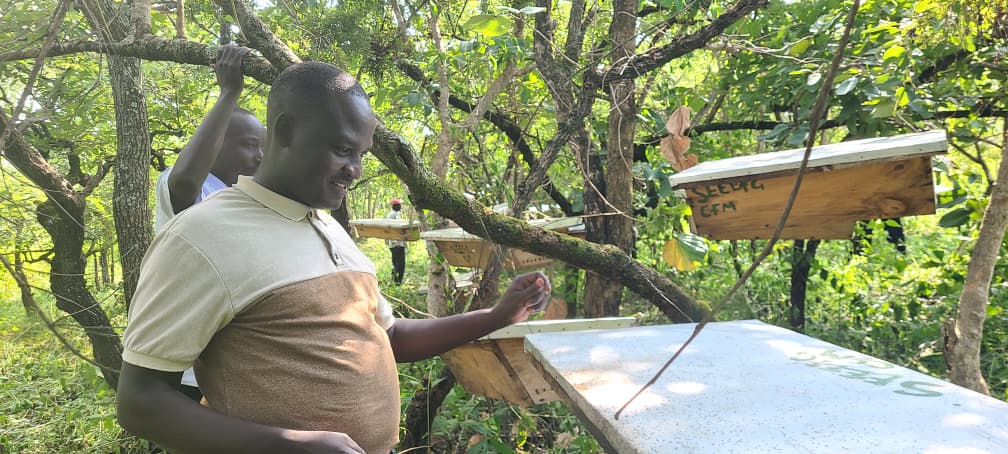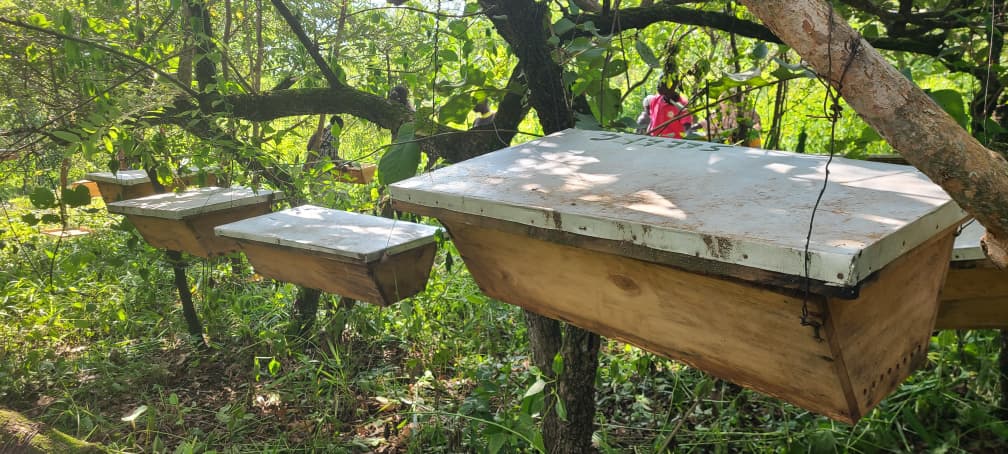
KOBOKO — A government initiative promoting beekeeping as an alternative source of income is showing early signs of success in restoring the Mount Kei Central Forest Reserve in Koboko District, with officials reporting a decline in deforestation and increased community participation in forest conservation.
In June 2025, the government allocated Shs90 million to establish an apiary project within Mount Kei Central Forest Reserve, setting aside 300 hectares for beekeeping to discourage local communities from cutting trees for charcoal and timber.
More than 150 people from Ludara Sub-county have since joined the initiative.
The project is being implemented under the National Forestry Authority in collaboration with the Ministry of Water and Environment.
Haruna Busobozi, the Forest Officer in charge of the Mount Kei area under the Ministry of Water and Environment, said reduced deforestation has already contributed to the return of wildlife, including the rare calabash monkeys.
"I had never seen those monkeys, but you saw they are already there," Busobozi said.
Visitors to the reserve also report noticeable improvements in the forest's condition, with recovering vegetation replacing areas that had previously been heavily degraded by charcoal burning.
Paul Tumwebaze, a Research Fellow at the Advocacy Coalition for Development and Environment (ACODE), said the transformation has been remarkable.
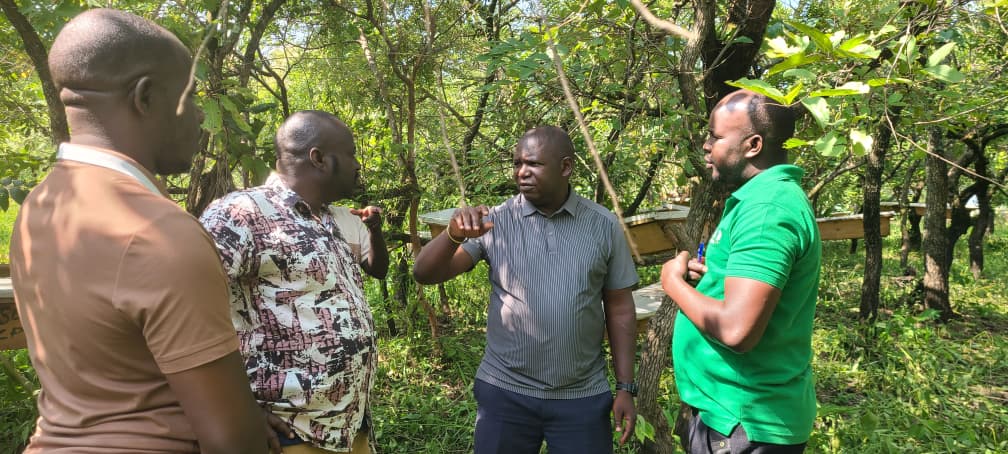
"We were here last year when the forest was being degraded and sections were prone to charcoal burning, but now it is getting better and recovering from the shocks," Tumwebaze said.
Through the Ministry of Water and Environment, the government procured 300 beehives at a cost of Shs250,000 each to support the project.
Busobozi said the initiative demonstrates the government's commitment to restoring the forest reserve.
"Government is doing all it takes to see that Mount Kei Central Forest Reserve is restored to its normal standard," he said.
Beyond conserving the forest, the project is expected to improve household incomes. Officials estimate that participating communities could collectively earn about Shs270 million annually from honey and other bee products.
ACODE has partnered with the government to train local residents in modern beekeeping practices.
Dickens Amanya, a Research Officer at ACODE, said community interest in the project continues to grow.
"We were dealing with a slightly smaller number of people, but that number has increased significantly. At first, participation was largely limited to older people, but we are now seeing more young people, persons with disabilities and, most importantly, women joining the project," Amanya said.
In addition to the apiary project, the Ministry of Water and Environment has strengthened forest protection by deploying forest patrol teams to curb illegal activities within the reserve.
Mount Kei Central Forest Reserve covers approximately 40,689 hectares in Koboko District along the Uganda–South Sudan border, making it larger than the well-known Mabira Central Forest Reserve.