
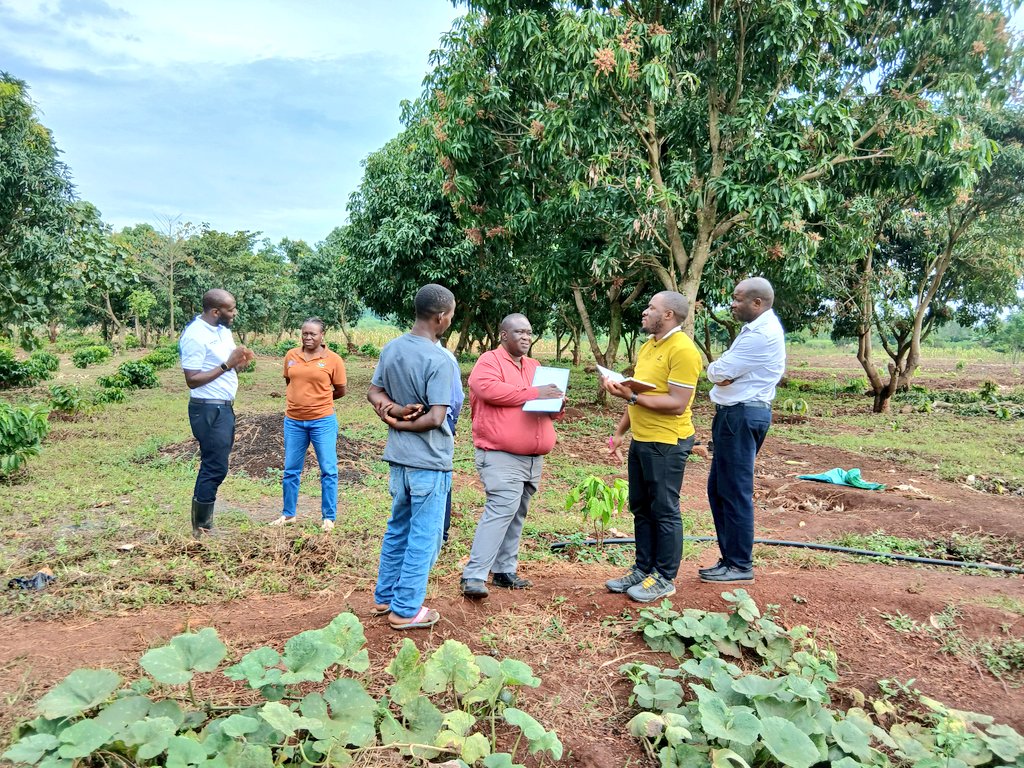
MUKONO – Agricultural stakeholders and local leaders have called on the government to urgently extend the UgiFT Micro-Scale Irrigation Program, a five-year initiative that helped thousands of smallholder farmers adapt to climate change.
The program, launched in 2021 with World Bank support, officially ended this year, raising concerns about its sudden closure and the uncertainty it leaves for farmers who had hoped to benefit.
Speaking at the Annual Agricultural Sector Coordination Workshop in Mukono, agricultural officers and district engineers highlighted the program’s impact on farming communities and warned that its discontinuation could derail progress.
“The program has shown farmers that irrigation can be a game changer, especially in the face of unpredictable weather patterns,” said Annet Nakidde, senior agricultural engineer for Kyegegwa District.
“We had hundreds of new applicants this year alone. We’ve now had to refund over Shs35 million to disappointed farmers because the program was phased out.”
The UgiFT program was designed to address climate challenges by providing subsidized irrigation kits and technical training.
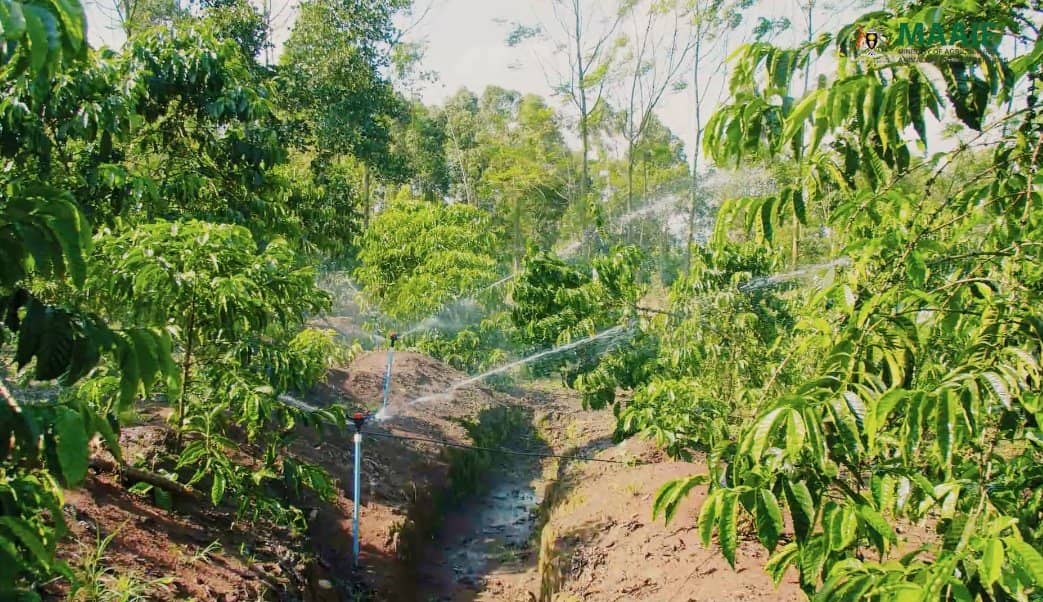
According to Aacha Mary Orikiriza, undersecretary at the Ministry of Agriculture, Animal Industry and Fisheries (MAAIF), more than 300,000 farmers benefited, with 5,000 receiving full irrigation equipment.
District agricultural officers reported noticeable improvements in yields. In Sheema District, engineer Julian Komugisha said one farmer’s coffee harvest rose from 40 bags per season to 75 after adopting irrigation.
In Buvuma, the program drew new entrants to farming, including former fishermen who shifted to growing tomatoes, cocoa, and coffee.
“These are people who had never farmed before. Now they’re thriving. We expect even more success stories if the program is renewed,” said Isa Sebisinde, the district agricultural officer.
Given the strong demand, stakeholders are urging government to extend the project for another five years, while introducing reforms to make it more inclusive.
Among the proposals are reducing the co-funding requirement from 25% to 5% for low-income farmers, training locally based irrigation mechanics to reduce reliance on Kampala technicians, and establishing community-based maintenance groups for system upkeep.
“We need to cut the cost and time of transporting systems to Kampala for repair,” one officer said. “Training local service providers will create jobs and ensure timely support for farmers.”
Dr Patience Rwamugisa, commissioner for agricultural extension coordination at MAAIF, urged farmers to form and operationalize maintenance groups to keep the irrigation systems functional as the ministry evaluates the program’s future.
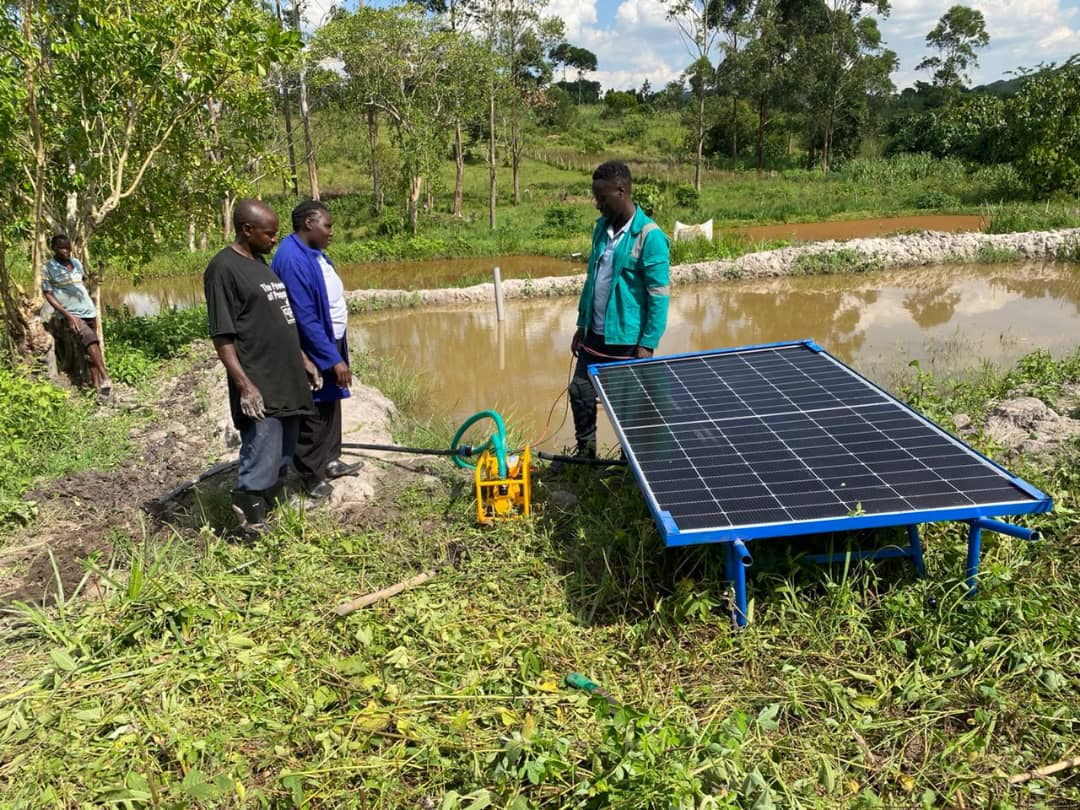
While the fate of the project remains undecided, stakeholders argue that the evidence of its success is clear. “We urge farmers to find means of sustaining the scheme,” Orikiriza said.
“As we wait for the ministry’s decision, let’s protect the gains we’ve made.”
The program consumed over Shs258 billion in funding over its five-year lifespan.
