
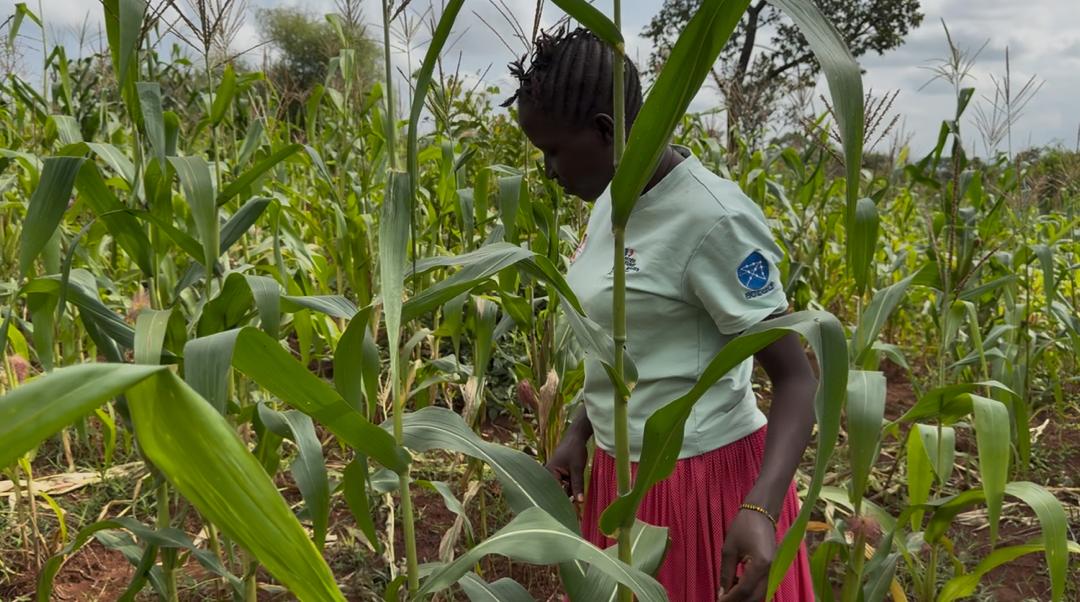
A transformative agricultural project in Uganda’s Karamoja sub-region is lifting hundreds of vulnerable households out of food insecurity by promoting sustainable farming practices, climate resilience, and improved nutrition.
The initiative, funded by the Embassy of France and implemented by ACTED in partnership with Caritas, is benefiting over 1,200 households in Nakapiripirit and Amudat districts.
It equips farmers with modern tools and training to increase crop yields, conserve water and soil, and create sustainable livelihoods in a region long affected by drought and malnutrition.
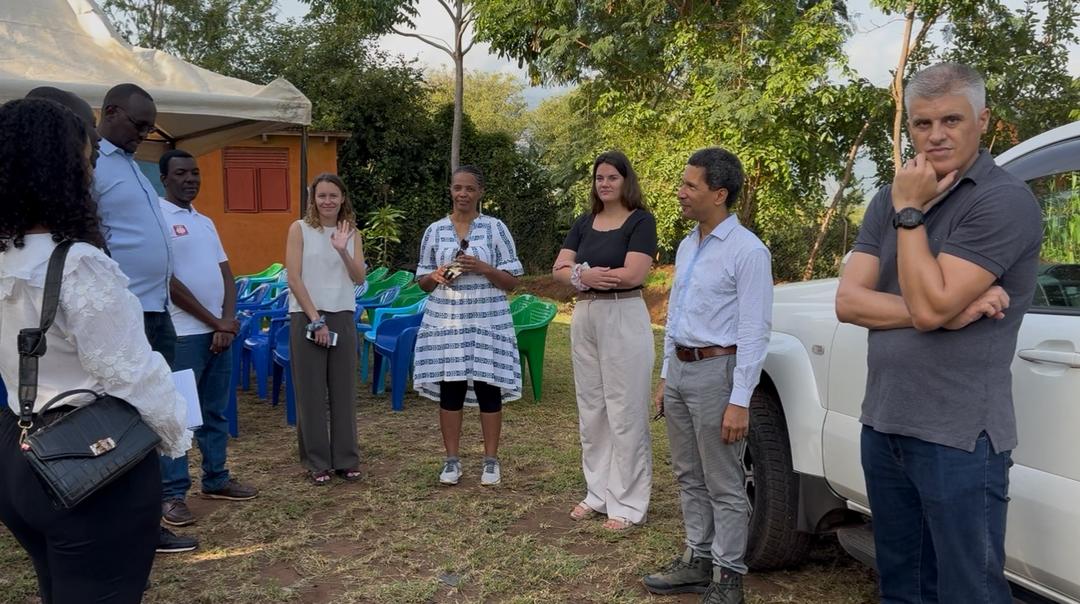
During a field visit, French Ambassador to Uganda Xavier Sticker reaffirmed his country’s support for community-led resilience efforts.
“Farmers have been supported with cash vouchers, enabling them to implement essential agricultural techniques such as contour swales that trap rainwater, reduce soil erosion, and improve productivity even during dry seasons,” said Ambassador Sticker.
Contour swales—trenches dug along land contours—are enabling farmers to retain moisture in their fields, a crucial intervention in Karamoja’s arid climate.
The project is also promoting the use of household biogas digesters that convert organic waste into clean cooking energy and organic fertilizer.
Zaccheaus Sagal, a farmer in Nakapiripirit, praised the change: “Before, we struggled with the cost of fuel and fertilizers. Now, with the biogas system, we cook cleanly and our crops are healthier thanks to the organic fertilizer.”
Another beneficiary, Emmanuel Lotukei, described how training has reshaped farming in the area. “We used to plant blindly, but now we’ve been trained to farm smart. Our gardens are greener, and our families are eating better.”
The benefits go beyond homes and gardens. Several schools in the region have adopted vegetable gardening programs, providing students with hands-on lessons in sustainable agriculture and boosting school nutrition with fresh produce.
Local officials say the project is changing attitudes as well as livelihoods.
“This partnership with the people of Karamoja is a testament to what’s possible when we combine innovation, local knowledge, and partnership,” said Lawrence Wadada, Nakapiripirit’s Chief Administrative Officer.
As the initiative continues its rollout, more families are gaining not only seeds and equipment but also the skills and confidence to build food security and resilience from the ground up.
