

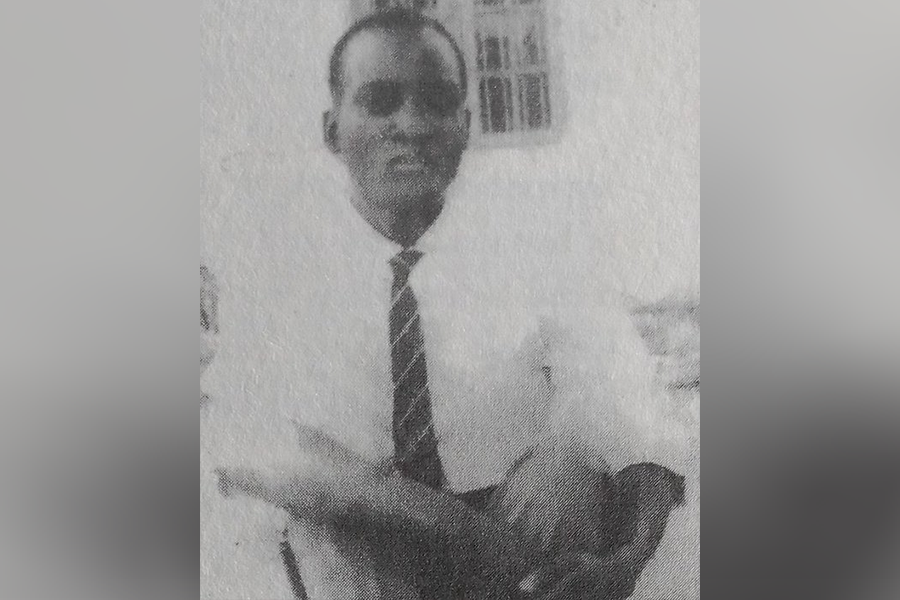
June 9, 1981, stands as one of the most significant dates in Uganda's modern history. It marks the killing of Edidian Babumba Mukiibi Luttamaguzi and eight other civilians in Kikandwa village, Luwero District, an event that would later become the foundation of Uganda's annual National Heroes' Day celebrations.
The killings occurred during the early months of the Ugandan Bush War, when the newly formed National Resistance Army (NRA) was conducting guerrilla operations against the government of President Milton Obote.
At the time, Luttamaguzi was a respected local farmer and opinion leader who had become an important supporter of the rebel movement, helping fighters with food, shelter and information as they established themselves in the Luwero Triangle.
On the morning of June 9, government soldiers from the Uganda National Liberation Army (UNLA) led by Hajj Musa Sebirumbi arrived in Kikandwa searching for NRA fighters and their commander. Luttamaguzi and several fellow residents were arrested and subjected to torture as soldiers demanded information about a nearby rebel hideout.
Despite the pressure and brutality they faced, Luttamaguzi and the others refused to reveal the location of the guerrilla unit. According to accounts of the incident, the soldiers eventually abandoned efforts to obtain information and killed the captives.
Alongside Luttamaguzi, those killed were Nkangirwa Matayo, Sentogo Sebastian, Gitta, Kibuuka, Kirumira Edrisa, Sebowa, Kibirige and an unidentified resident.
The significance of their sacrifice extends beyond the tragedy itself. Historians of the Bush War and leaders of the ruling National Resistance Movement have long argued that the refusal of the Kikandwa Nine to betray the guerrillas helped preserve the fledgling rebellion at a critical stage.
Had the hideout been exposed, the small insurgent force and its leadership could have been destroyed before the conflict gained momentum.
As the war progressed and the NRA eventually captured power in January 1986, the story of the Kikandwa Nine became a powerful symbol of loyalty, courage and sacrifice.
President Museveni has on several occasions compared their steadfastness to that of the Uganda Martyrs, describing their actions as an example of extraordinary commitment to a cause despite the certainty of death.
The remembrance of the victims gradually evolved into a national observance after the war. In 2001, two years after Sebirumbi was executed on April 27, 1999, Parliament formally designated June 9 as National Heroes' Day, creating a public holiday dedicated to honouring Ugandans who have made exceptional contributions and sacrifices in service to the nation.
To this day, National Heroes' Day is commemorated every year awards presented to civilians and members of the security forces who have demonstrated outstanding patriotism.