

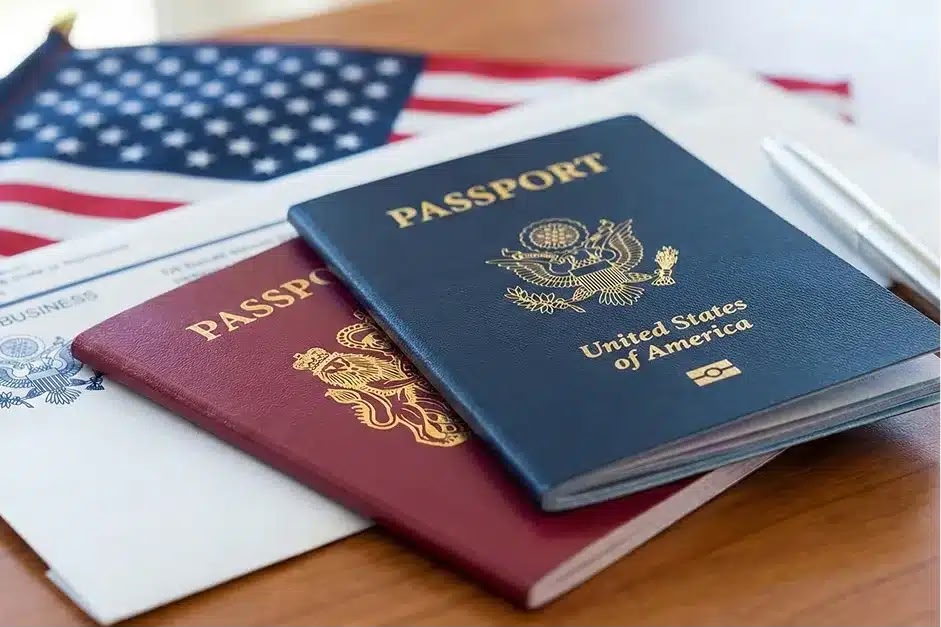
Debate over dual citizenship and eligibility for public office has renewed scrutiny of the legal process of renouncing a foreign nationality, with experts stressing that it is neither immediate nor automatic.
Legal experts say renunciation of citizenship depends on formal approval from the country concerned and may take several months to complete. Others argue that Uganda risks losing citizens with international experience and global professional networks if the law is not reviewed.
The matter has gained fresh attention following last week’s vetting of ministerial nominees by Parliament’s Appointments Committee, including individuals who had previously faced questions over alleged dual or multiple citizenship after indicating that they had renounced their foreign nationalities.
The development has prompted renewed debate on the procedures and timelines involved in giving up citizenship.
Lawyer and Jonam County MP Marshall Alenyo, who previously worked with the Directorate of Citizenship and Immigration Control under the Ministry of Internal Affairs, said the process is often lengthy and requires official confirmation from the foreign state.
“The have to verify your documents and its not something which you say you can do in a week or two, they have a timeline of about six months," he said.
"It is not instant renunciation of citizenship. We have instances where the American government has refused people trying to renounce citizenship and they give their reasons. So you have a right to apply, but whether you are granted remains the preserve of the country you are applying to renounce,” Alenyo added.
He explained that applicants must formally apply to the relevant foreign government, which retains the authority to approve or reject the request.
According to Alenyo, such decisions are guided by considerations including national security and broader national interests, and may in some cases be declined.
“They will study whether you are a security threat, they will ask whether the office you will hold later won’t be a security threat. So it’s not automatic that once you make an affidavit saying you will renounce, you must wait for the foreign government to issue a renunciation certificate,” he said.
Despite the legal position, some Ugandans in the diaspora argue that restrictions on dual citizens in public office could limit access to valuable expertise and international networks.
International relations expert Dr Ahmed Hadji said modern governance increasingly benefits from individuals with global exposure gained through education and professional experience abroad.
“These are people who carry a lot of experience, whether in international education, professional practice or knowledge transfer. These are things we need in our governance systems and also in diplomacy,” he said.
He added that Ugandans abroad often contribute to national development through investment, skills transfer and international partnerships.
Dr Hadji called for a review of the law to reflect changing global realities.
“We want ministers who have global exposure, who understand how the world works and bring not just networks but ideas and innovation. That law has to evolve with the world,” he said.
However, Alenyo defended the current legal framework, citing national security considerations in certain sensitive public positions.
“If Uganda is at war with the country you come from, and you are in the military commanding the army, and we are engaging that country, the law considers that such a person may not effectively command,” he said.
Alenyo also urged Parliament to review Rule 171 of its Rules of Procedure, which requires the Appointments Committee to sit in camera.
He argued that greater transparency would reduce speculation and improve public understanding of the vetting process.
“In Kenya, even the vetting of the Chief Justice is public. I believe Rule 171 should be revisited,” he said.
He further noted that even where applicants apply to renounce citizenship, final approval remains with the foreign government, meaning applications can still be rejected despite compliance with Ugandan procedures.