

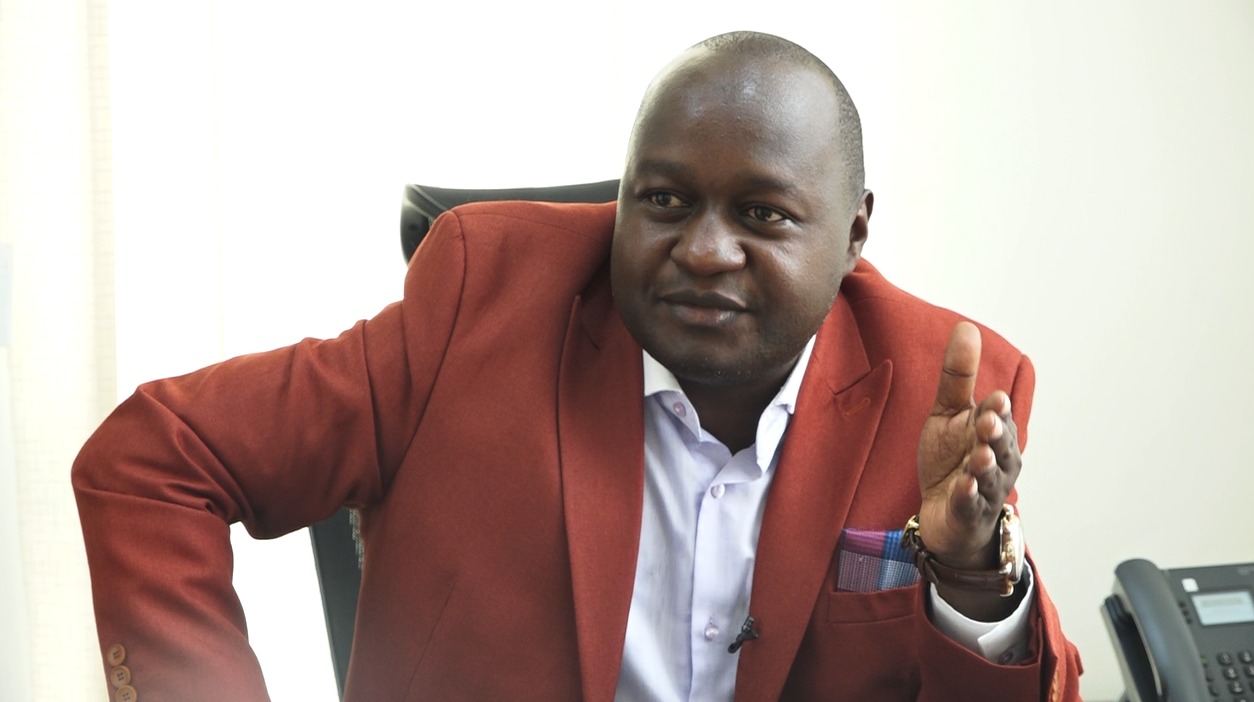
Budadiri East Member of Parliament Julius Nakiyi has proposed a series of governance reforms aimed at strengthening accountability, improving public spending efficiency and enhancing service delivery, arguing that government must shift from expenditure-driven operations to measurable results.
Nakiyi’s proposals come in the wake of President Museveni’s State of the Nation Address, in which the President criticised what he described as a culture within sections of the public service where officials prioritise allowances and personal benefits over delivering services to citizens.
“When I hear of leaders talking about allowances to reach their people and get them out of poverty, I almost get nausea,” President Museveni said during the address.
The President further emphasised the need for greater accountability and value for money in government programmes, warning against inefficiencies that undermine service delivery.
Speaking in an interview, Nakiyi said Uganda could adopt lessons from countries such as Rwanda, where public servants sign annual performance contracts tied to clear targets and undergo periodic evaluations to ensure compliance and effectiveness.
“At the beginning of the year, you agree on what you are going to deliver and the results expected. Then there are quarterly reviews so that any gaps are corrected before it is too late,” Nakiyi said.
He argued that such a system would reduce overreliance on supervision while ensuring that public officials remain accountable for clearly defined performance indicators.
Nakiyi also called for reforms in Uganda’s budgeting process, saying Parliament’s oversight role is weakened by broad sectoral allocations that do not clearly outline project-level implementation.
He proposed that budgets, particularly in infrastructure, should specify the exact projects to be implemented, their locations, costs per kilometre and expected outputs.
“If one trillion shillings is allocated to roads, Parliament should know which roads are being built, where they are located and how much each kilometre costs,” he said.
Nakiyi added that detailed budgeting would strengthen transparency, improve tracking of government programmes and ensure more equitable distribution of national development projects across the country.
The proposals align with growing calls from sections of Parliament for tighter fiscal discipline and a stronger link between public expenditure and measurable development outcomes.