

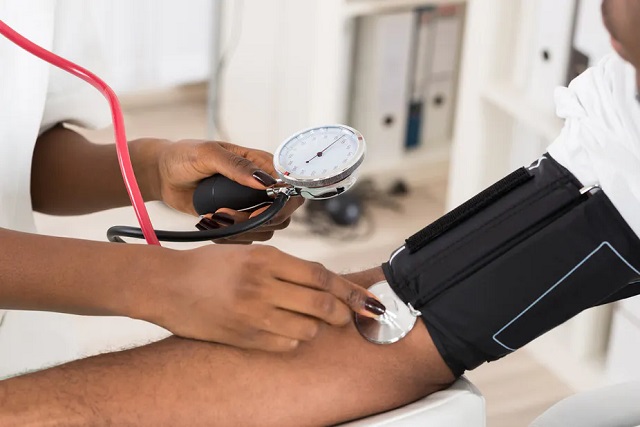
Non-communicable diseases (NCDs), also known as chronic diseases, are a group of conditions that are not primarily transmitted from person to person.
NCDs develop over time and are often related to lifestyle factors, genetics, and environmental influences among others.
Globally, NCDs are the leading cause of death, accounting for over 70% of all deaths worldwide according to the World Health Organization (WHO).
What is Uganda’s case?
The Demographic health survey report 2022 reveals worrying trends regarding undiagnosed and untreated diabetes and hypertension among Ugandan women.
The report emanating from a representative sample of 20,631 households by Uganda bureau of Statistics highlights a significant gap between the number of women with these conditions and those receiving proper treatment.
According to the report, only 5% of women age 15 - 49 have been diagnosed with high blood sugar or diabetes by a healthcare professional.
This statistic is concerning, as it suggests a large number of women may be unknowingly living with these chronic conditions.
Diabetes and hypertension can have serious health consequences if left untreated like nerve damage, kidney disease, cardiovascular disease risk like stroke, heart disease among others.
The report further reveals that among the diagnosed cases, treatment adherence remains a challenge. Only 31% of those with high blood sugar or diabetes are taking medication to control their blood sugar levels.
In regard to hypertention, commonly known as high blood pressure, while 11% of women in the surveyed age group have been diagnosed with the condition, only 33% are currently receiving treatment.
With such alarming statistics, Improving access to affordable healthcare services is a crucial step through strengthening screening programs for early detection, ensuring the availability of essential medications, and addressing any financial barriers that might prevent women and men from seeking or adhering to treatment.