

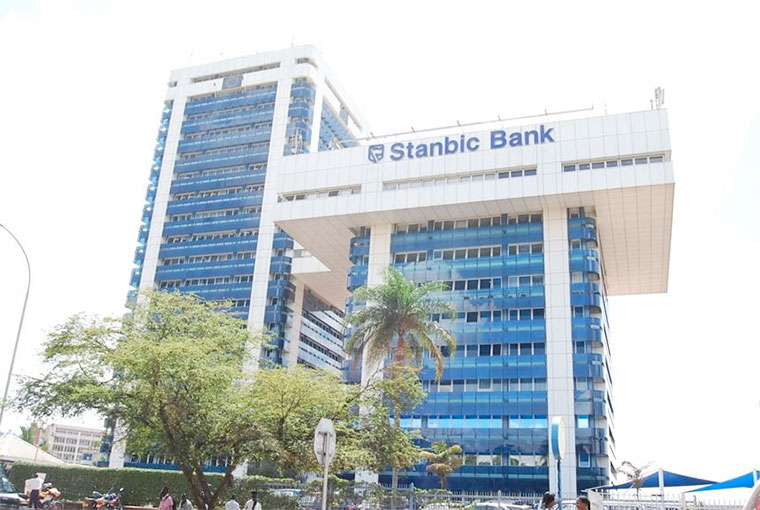
Successful marketing campaigns by companies have been cited as a factor in the improving health of the Uganda’s private sector driven by a stronger demand environment as the monthly headline Stanbic Purchasing Managers Index (PMI) stayed above 50.0 but dipped from 56.4 in June to 53.9 for July.
According to the latest survey of about 400 respondents, both output and new orders have now risen continuously on a monthly basis throughout the past year.
In response to greater workloads, firms increased their employment and purchasing activity.
Meanwhile, input costs continued to increase, with purchase prices and staff costs up again. In turn, firms raised their own selling prices.
Among the items most widely mentioned as having increased in price during the month were building materials, food products and land.
Christopher Legilisho, an economist at Stanbic Bank said, “activity in Uganda’s private sector expanded again in July, albeit slower than in June. Notably, output was robust economy-wide, with new export orders posting growth for the first time in seven months. Furthermore, employment levels increased for a fourth month due to brisk demand. New orders were attributed to higher customer numbers, client recommendations, good quality products, and marketing activities.”
The Stanbic PMI is compiled by S and P Global from responses to questionnaires sent to purchasing managers.
The sectors covered by the survey include agriculture, mining, manufacturing, construction, wholesale, retail and services.
The PMI is a weighted average of the following five indices; new orders (30%), output (25%), employment (20%), suppliers’ delivery times (15%) and stocks of purchases (10%).
Readings above 50.0 signal an improvement in business conditions on the previous month, while readings below 50.0 show deterioration.
Launched six years ago, the Stanbic PMI series average is now at 52.6.
Across the five monitored sectors, on the pricing front price pressures were apparent in building materials, electricity, and fuel in particular, as well as in purchase costs and staff costs. However, output prices in agriculture were down. On future output, 89% of Ugandan businesses are bullish about economic conditions 12 months from here,” said Stanbic’s Legilisho.
A further rise in new orders in July meant that the current sequence of monthly expansion extended to a full year. Respondents cited a number of factors as having driven growth in the latest survey period, including rising customer numbers, recommendations from clients, good quality products and successful marketing.
The stronger demand environment also helped business activity to increase for the 12th month in a row.
Output rose across the agriculture, construction, industry, services and wholesale & retail categories.
Companies looked to expand capacity in response to higher new orders, raising both their employment and purchasing activity at the start of the third quarter.
Supporting the increase in total new business at the start of the third quarter was a rise in new export orders, which expanded for the first time in seven months.
However, as has now been the case on a monthly basis throughout the past two years, overall input costs increased during July. Panelists reported higher prices for building materials, electricity and fuel in particular.
Cost increases were widespread across the five monitored sectors.
Employment was up for the fourth month running whereas a further accumulation of inventories was also signaled.
Greater operating capacity meant that firms were able to keep on top of workloads, and reduced their backlogs of work again in July.
Latest data signaled ongoing increases in both purchase prices and staff costs.
Those respondents that saw purchase costs rise mentioned building materials, food products and land in particular as being up in price.
Meanwhile, employee pay was often raised in response to higher living costs whereas output prices also increased as companies passed on higher input costs to their customers.
Agriculture was the only sector to buck the wider trend and post a reduction in charges.
Demand conditions are expected to improve further over the year ahead, helping lead to increases in customer numbers and further output growth.