

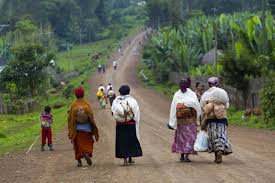
Uganda is witnessing a significant wave of rural-urban migration, a phenomenon that is reshaping the socio-economic landscape of the nation.
Driven by the search for better opportunities, many Ugandans are leaving their rural homes and flocking to urban centers, particularly Kampala, in hopes of improving their living standards.
Several factors are fueling this migration trend. Rural areas in Uganda are often characterized by limited access to education, healthcare, and employment opportunities.
Agriculture, the primary livelihood in these regions, is becoming increasingly unsustainable due to unpredictable weather patterns and declining soil fertility. These push factors compel many to seek better prospects in urban settings.
Conversely, the pull factors include the allure of better job opportunities, improved infrastructure, and access to superior healthcare and education facilities in cities.
Kampala, with its bustling economy and numerous industries, is a major attraction for rural migrants looking for employment and a higher standard of living.
The influx of migrants into urban areas has both positive and negative economic implications.
On the positive side, it has contributed to the growth of urban economies. Migrants provide a steady labor force for industries and the service sector, boosting productivity and economic development.
Small businesses and informal sectors are also thriving as new residents seek to make a living.
However, the rapid population growth in cities is straining urban infrastructure.
Kampala, for instance, is grappling with inadequate housing, leading to the proliferation of informal settlements or slums.
Public services such as water supply, sanitation, and healthcare are under immense pressure, often failing to meet the needs of the growing population.
Rural-urban migration is also driving significant social and cultural changes. Traditional rural communities are experiencing depopulation, which can lead to the erosion of cultural practices and community structures.
Meanwhile, urban areas are becoming more culturally diverse but also face challenges related to social integration and increased crime rates.
The Ugandan government is attempting to address these issues through policies aimed at improving rural infrastructure and creating job opportunities in rural areas to curb the migration flow.
Initiatives such as rural electrification, road construction, and agricultural modernization are part of this strategy.
Rural-urban migration in Uganda is a complex issue with far-reaching implications.
While it offers opportunities for economic growth and individual advancement, it also presents significant challenges that require comprehensive and sustainable solutions.
Balancing development between rural and urban areas is crucial for the nation's overall progress and stability.
AI generated