
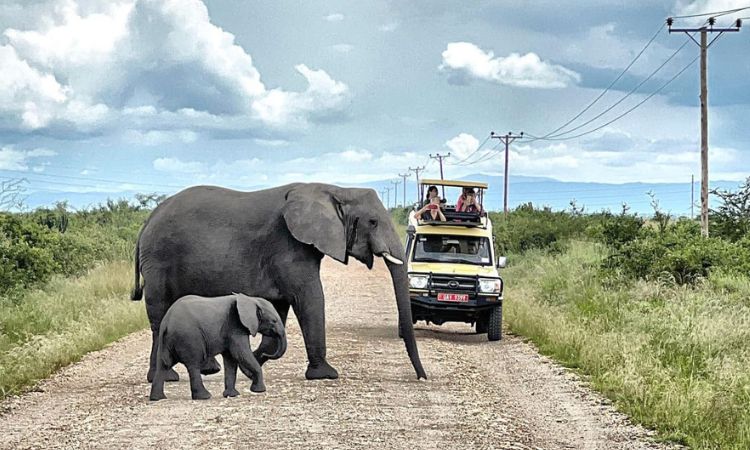
Tourism, a key driver of Uganda's economy, and one of the country's biggest foreign exchange earners, remains largely private sector-enabled and driven, yet it struggles to reach its full growth potential due to limited government support and inadequate marketing strategies.
While the nation boasts breathtaking landscapes, rich cultural heritage, and diverse wildlife, its global visibility as a premier tourist destination remains underwhelming.
Uganda Tourism Board (UTB), the entity charged with marketing destination Uganda, is hamstrung by insufficient funding.
Industry players argue that without significant investment in strategic marketing, the sector will continue to lag behind regional competitors like Kenya and Tanzania, which have positioned themselves as dominant players in the global tourism market.
Experts point to the minimal budget allocated to UTB as a major bottleneck.
Compared to other East African countries, Uganda invests far less in promoting its unique attractions. This limits the reach of campaigns aimed at showcasing the Pearl of Africa’s treasures to potential travelers worldwide.
According to Geoffrey Baluku, a sector player, Uganda has world-class attractions, but if nobody knows about them, we can't compete globally.
"Tourism in Uganda is happening by mistake. The government must wake up and prioritize strategic marketing to tap into untapped markets, especially in the US and Europe," he said.
The sector lacks a coordinated national approach to showcase Uganda’s unique attractions to the world, leaving private operators to fill the gap with limited resources.
Without sufficient government investment in infrastructure, destination branding, and policy support, tourism growth is largely driven by chance encounters or the sheer determination of private stakeholders rather than deliberate, well-funded initiatives.
Despite the challenges, Uganda’s tourism sector has thrived on the resilience of private players.
Tour operators, lodge owners, and local guides continue to innovate and promote Uganda to their clients, often at personal cost. However, this approach is unsustainable without stronger government backing.
Felex Musinguzi, a seasoned tour operator and Team Leader at Kazinga Tours emphasize the need for collaboration.
"The private sector cannot shoulder this responsibility alone. We need the government to step up with better funding, partnerships, and policies that empower us to do more," he said.
To elevate Uganda’s tourism sector, industry stakeholders are calling for allocation of sufficient funds to UTB to execute robust international campaigns that position Uganda as a must-visit destination.
Foster partnerships between the government, private sector, and international agencies to co-create impactful tourism products and promotional strategies.
Improve road networks and tourism-related facilities to enhance accessibility and visitor experiences.
Streamline policies to reduce taxes and bureaucratic hurdles for tourism businesses, enabling them to reinvest in growth.
Leverage digital platforms to promote Uganda’s attractions, targeting key markets like Europe, North America, and Asia.
Tourism contributes approximately 7.7% to Uganda’s GDP and employs over 600,000 people directly and 1.5 million indirectly according to the Ministry of Tourism.
With proper support, the sector could generate even greater revenue, creating more jobs and fostering sustainable development.
Uganda’s tourism potential is vast, but its realization depends on proactive government support and a strategic shift in marketing and investment.
As the world looks for unique travel experiences, Uganda must rise to the occasion—or risk being left behind.
