

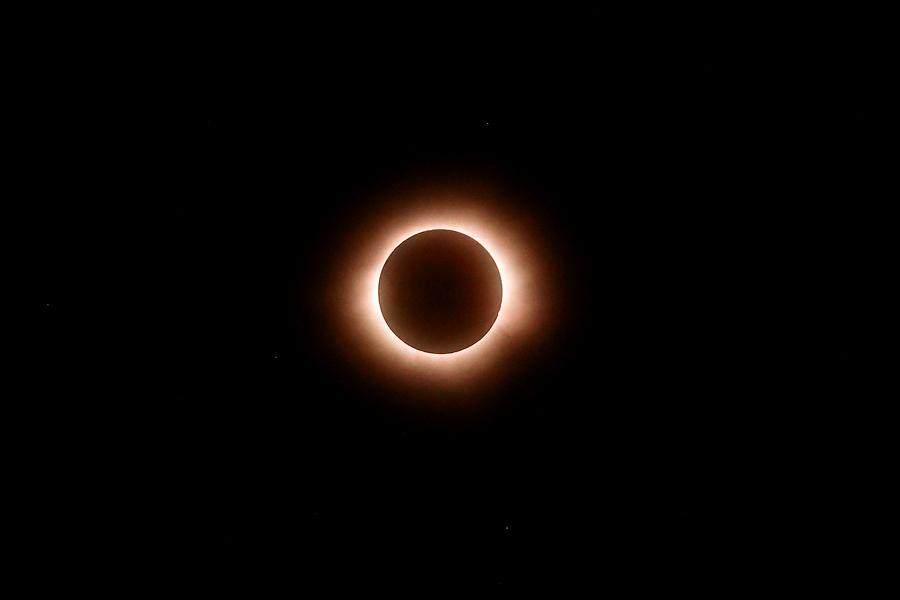
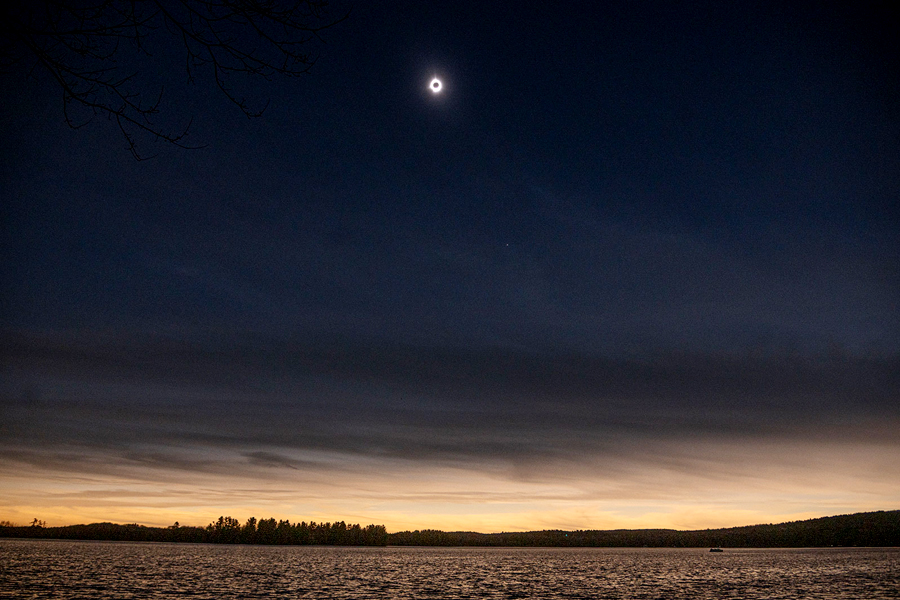
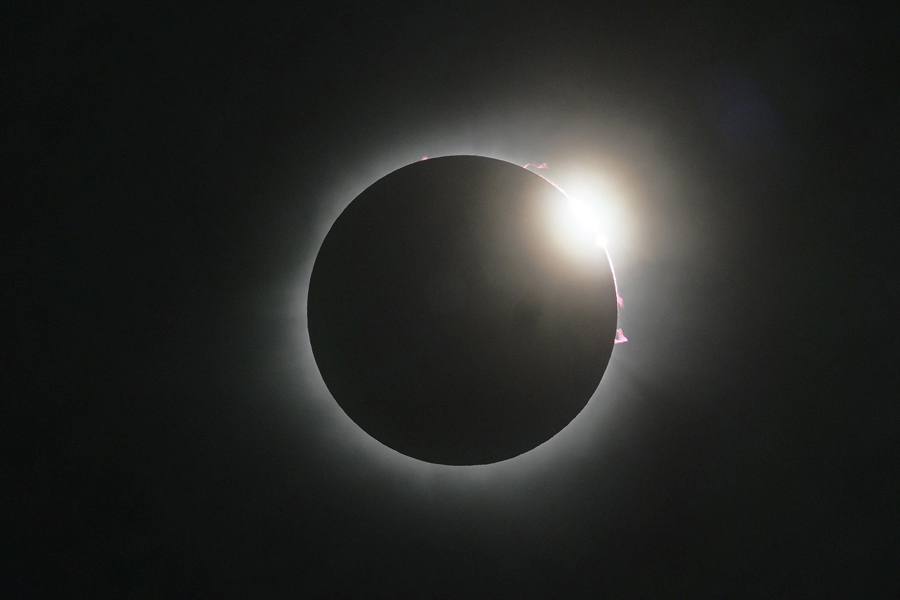
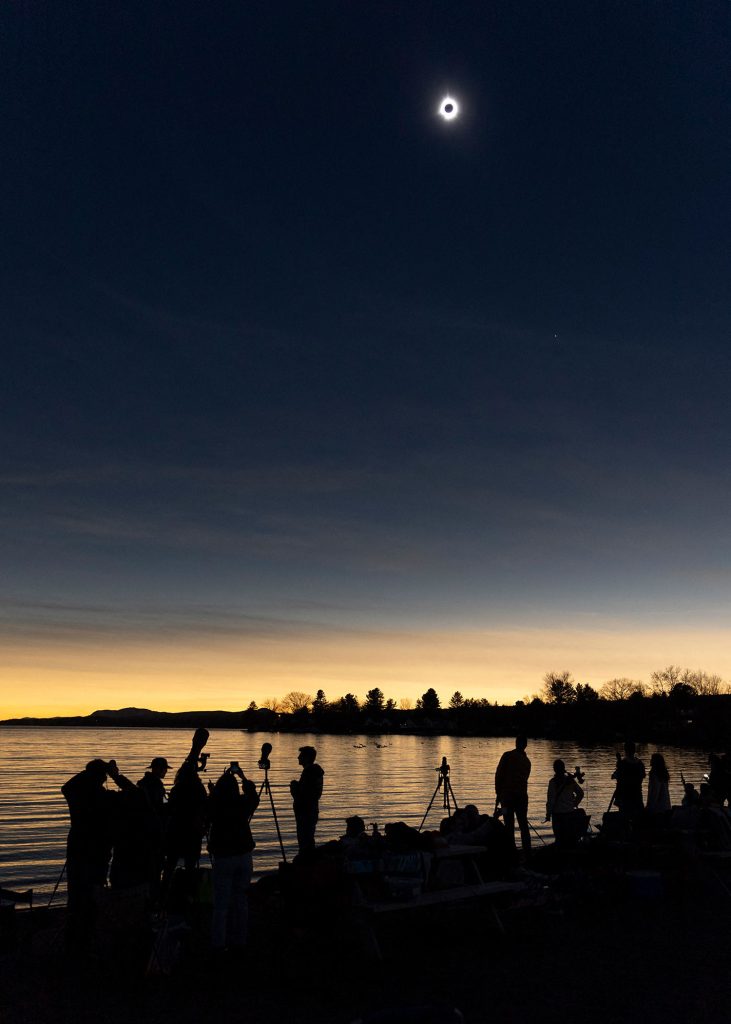
SPECTACULR SCEINCE | Millions of people across Mexico, the US and Canada looked to the skies on Monday to witness a total solar eclipse carve a narrow path of darkness across the continent.
A solar eclipse occurs when the Moon passes between Earth and the Sun, thereby obscuring the view of the Sun from a small part of Earth, totally or partially.
Back in 2013, a total solar eclipse passed over Uganda, and the small town of Pakwatch in the northwest of the country was identified as the best place to see it, possibly in the entire world.
Specifically, Pakwatch's Owiny Primary School was singled out as a prime viewing location.
At the time, sky gazers descended on Pakwach to catch the phenomenon that will next happen in Uganda in 6,229 days on Tuesday, April 30, 2041.
But before then, Ugandans will see the next partial solar eclipse in 1,209 days on Monday, August 2, 2027.
However, for those above 20 years, it is unlikely they will be around to see the next annular solar eclipse in Uganda in 24,952 days on Sunday, August 3, 2092.
An annular solar eclipse happens when the Moon passes between the Sun and Earth, but when it is at or near its farthest point from Earth.
Because the Moon is farther away from Earth, it appears smaller than the Sun and does not completely cover the Sun.





_____________________________________________________________________________________
The original version of this picture story was published by the BBC and can be seen here.