
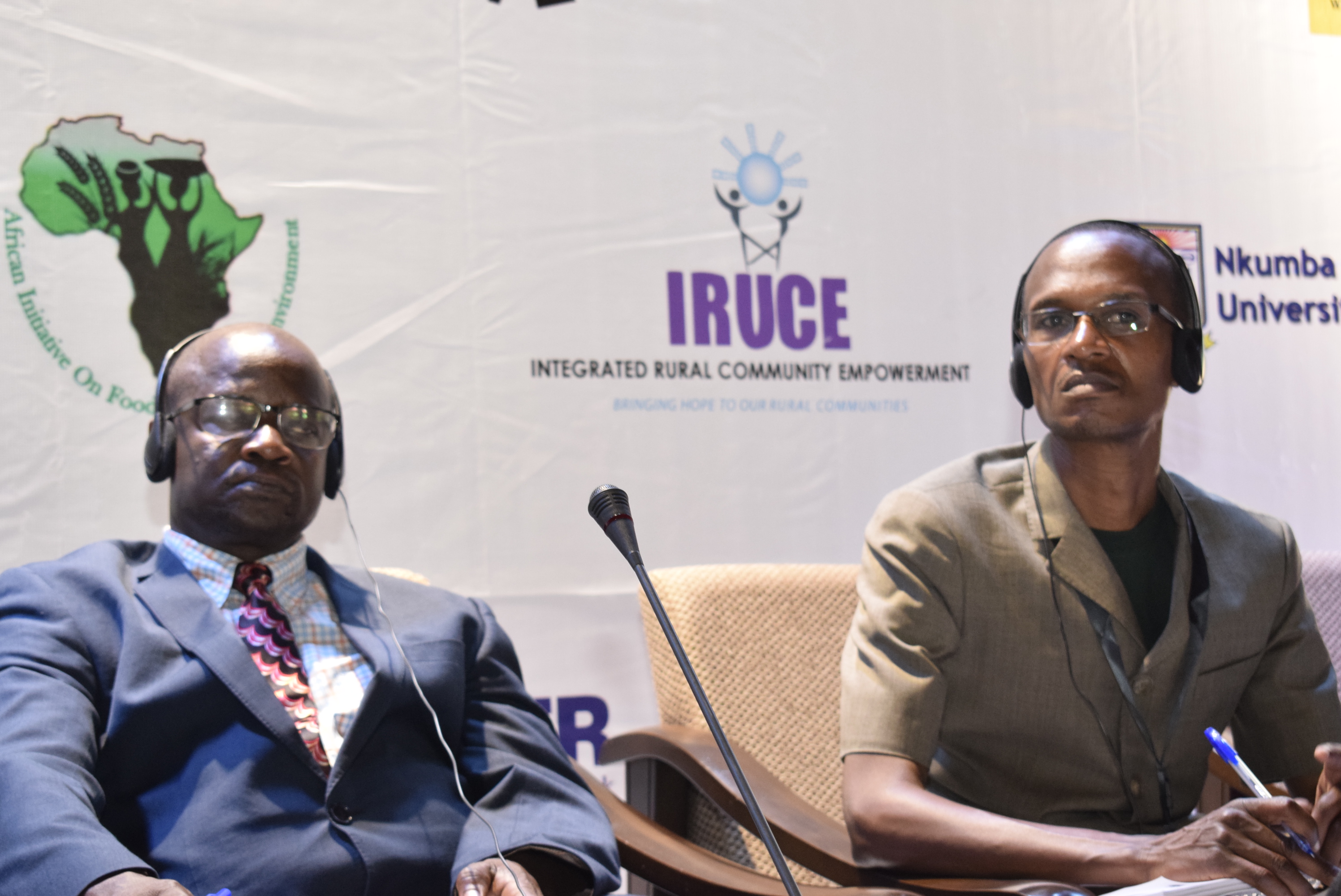
We are proudly moving towards an era where scientists and policymakers farther an inclusive conservation decision to emphasize community engagement and digital space utilization for sustainable conservation.
That policymakers and scientists will engage rural communities in a conservation-conversation on how rural communities must benefit beyond the 20% revenue sharing from tourism through empowerment and advocacy to sustain conservation of nature & primates.
This is premised on the fact that rural communities are the custodians of nature hence protection and conservation of biodiversity globally rests on their cooperation and effort.
Capacity building for primatologists must match the evidences of community understanding and benefit from conservation in Africa.
One third of primate species occur in Africa, some of which are endangered and critically endangered and apart from the ones in urban zoos, conservation areas are largely in the rural communities and the good news is, for instance, the great apes (mountain Gorillas) are off the most endangered species red list by IUCN this year.
From Gorillas and Chimpanzees to golden monkeys and red colobus to the more common baboons and vervet monkeys and lastly man in the rural communities, man turns out as most destructive primate, but also the most resourceful, the primates will remain central to African’s growth and the country’s priority for domestic growth product and focus.
Prominent primatologists in Africa and around the world have the continent’s resource at heart and for me, this is determined to building an African leadership in primatology and research, which research is a community voice for conservation.
To have renowned chief conservationists like Russell Alan Mittermeier, a primatologist and herpetologist who has written several books and authored more than 300 scientific papers for both popular and scientist audiences is very inspiring and in my view a major highlight for a scientific conference held in Uganda.
Having such great researchers present to a Ugandan audience gives us the rural communities hope that local scientists will take on and further the role of envisaging rural communities' engagement in research and practice like their founding primatologists have done.
312 participants from 40 African countries leave a mark on Ugandan conservation effort with 50 keynote speeches, 116 oral & 32 poster presentations that can be referenced for further research.
Arans Tabaruka is a community rights advocate with IRUCE Communities.
