
By Babacar Ndiaye.
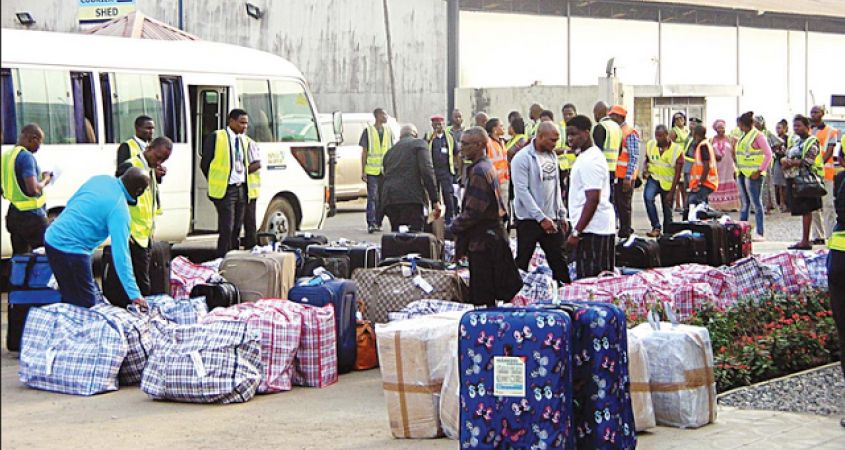
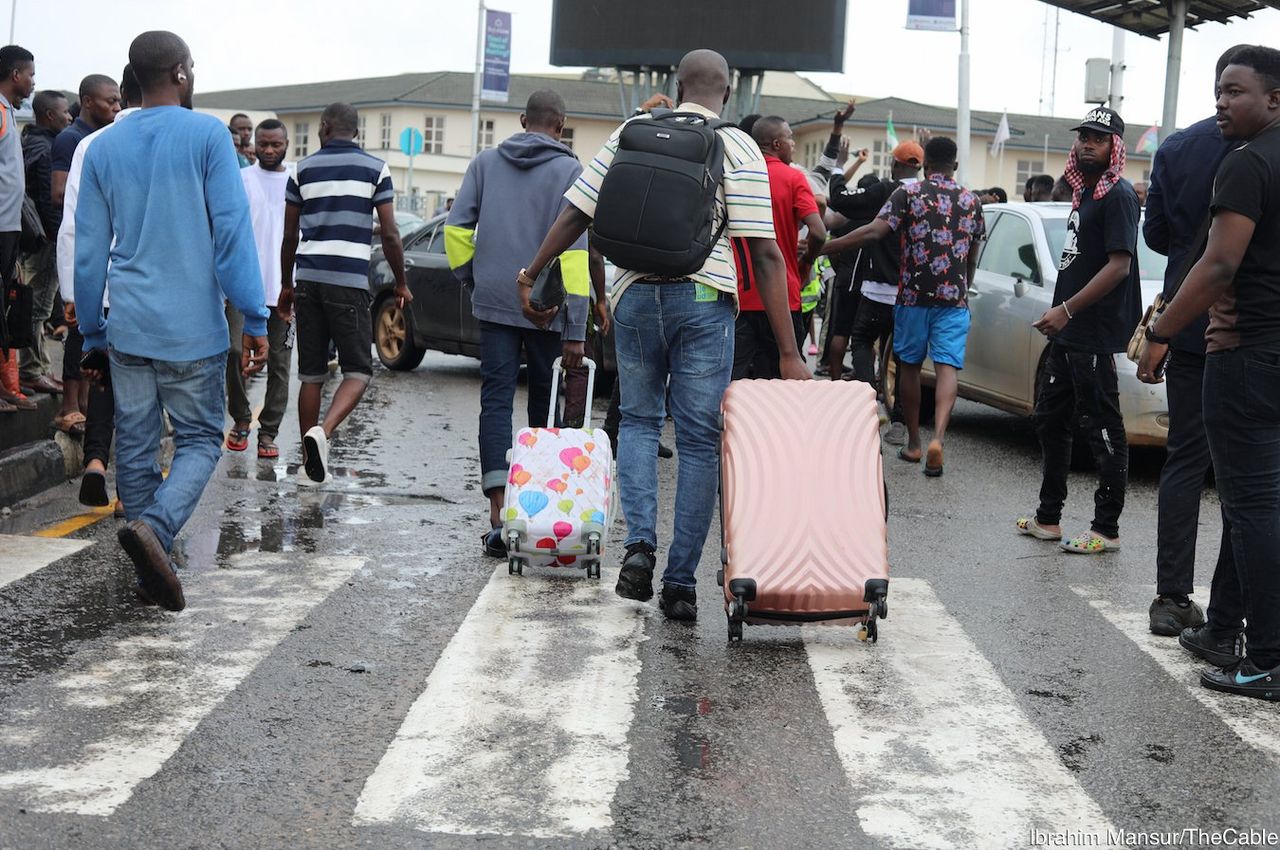
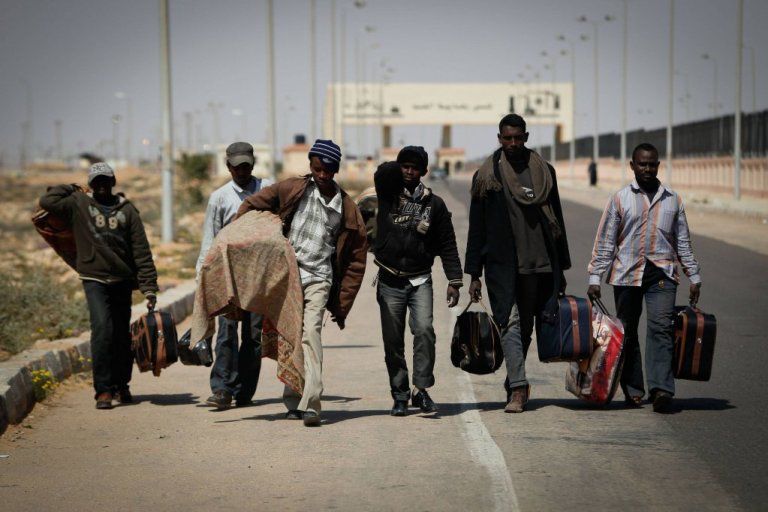
Lost and uncertain, refugees from South Sudan and Ethiopia - who had accepted life amid two years of ongoing war in and around Khartoum - were shocked as police launched forced deportation campaigns against them.
The Sudanese National Human Rights Observatory condemned the actions as "lacking humanity and compassion."
Since the outbreak of the Tigray conflict in Ethiopia in 2020, thousands of Ethiopian refugees fleeing worsening conditions crossed into neighbouring Sudan through the usual entry points in Kassala and Gedaref states.
In the following months, the flow continued, with thousands more arriving in Blue Nile state.
With support from the United Nations and various local and international organisations, Ethiopian refugees continued to receive shelter, food, and healthcare services in the camps where they were scattered.
The Sudanese Refugee Commission provided them with shelter, food and water and then moved them to areas far from the border.
Over time, some of them settled in Khartoum and other states.
At the time, Sudanese government sources said that up to 200,000 Ethiopians may seek shelter in Sudan, only for years to pass and deliberate forced displacement to take place under the pretext of taking the same action against all ‘illegally residing’ foreigners.
Prior to the outbreak of the war, Sudan was among the countries hosting refugees, whose numbers have increased due to the unrest in the region.
The country also became a key route for irregular migration towards the Mediterranean. Estimates indicate that millions of people have fled Sudan in recent years, led by Ethiopians and South Sudanese nationals.
South Sudanese Anger
A previous UNHCR report reveals that Sudan hosts 1.1 million refugees, constituting one of the largest refugee populations in Africa.
South Sudanese make up more than 70% of this total, amounting to roughly 800,000 individuals of the total refugees residing in the country.
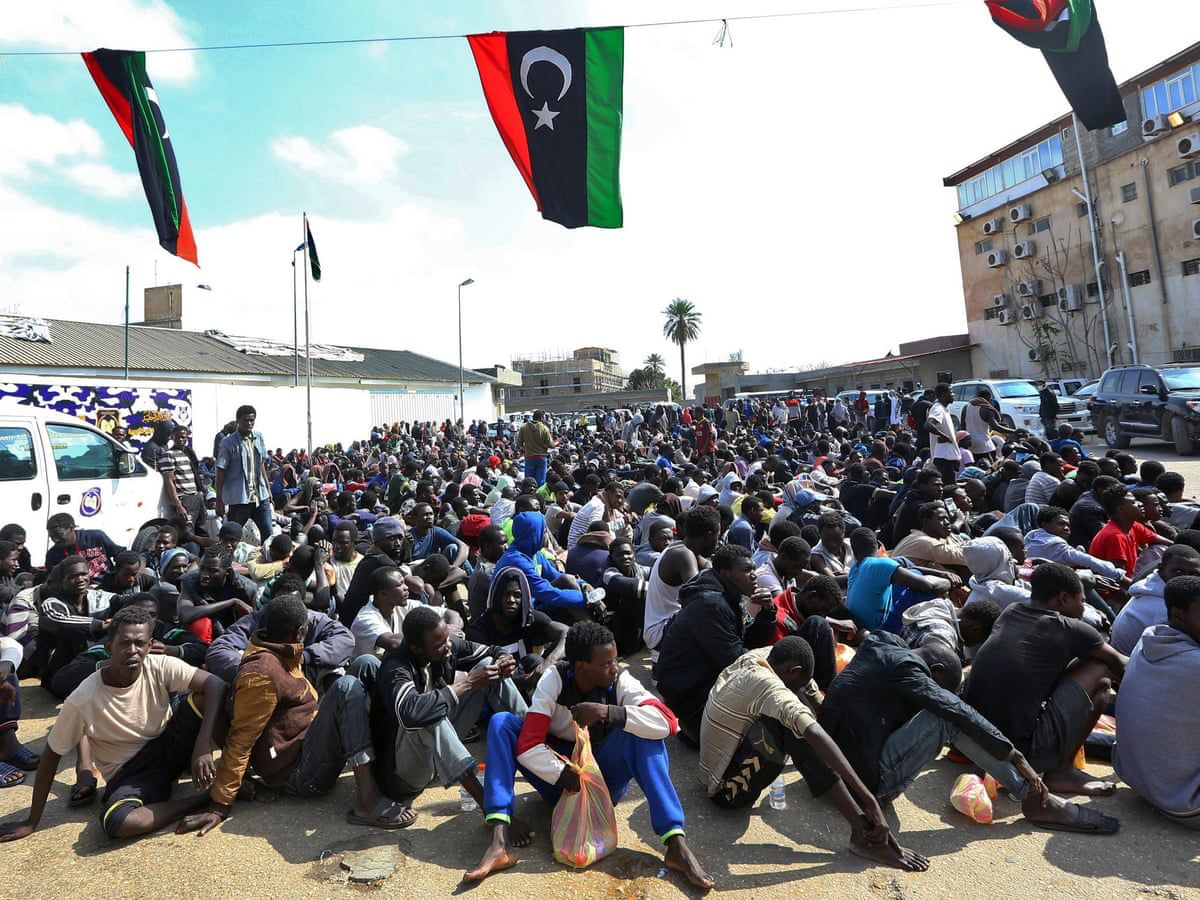
According to UNHCR reports in June 2023, two months after the outbreak of the war, nearly 2.32 million South Sudanese fled to neighbouring countries, and 2.22 million remain internally displaced in South Sudan due to violent conflict across the country.
Unarmed civilians and foreign refugees in Sudan fear a repeat of the chaotic and abusive scenarios witnessed in Khartoum, where the Sudanese National Observatory for Human Rights accused the military regime and allied militias of carrying out summary executions, killings conducted without trial or formal legal proceedings.
The Sudanese Engineers Association revealed a list of 33 militias and armed terrorist battalions that emerged from the ranks of the Islamic Brotherhood movement - the main ally of General Al-Burhan- over the course of the two-year conflict.
These groups were empowered under the military regime and frequently celebrated their presence with videos filmed in Khartoum.
For example, South Sudan’s Ministry of Foreign Affairs and International Cooperation summoned the Sudanese ambassador in Juba to express deep concern over reports of South Sudanese nationals being killed during recent violence linked to clashes involving the military regime in Wad Madani, Al-Jazira State.
Various reports confirm that the entry of the regime's military forces and pro-regime militias into the city of Wad Madani was followed by killings, described as retaliatory, of civilians inside the city and some villages of Al-Jazira State.
UN Bargaining
A report by Ayin Network, published in August 2024, revealed that the army forces launched campaigns against what it called ‘foreign presence’ as part of a plan to clear the states of foreigners, especially nationals from neighbouring countries.
These operations were concentrated in Karary district in Omdurman and the states of River Nile, Kassala, White Nile, Gedaref and Northern.
Abdel Fattah Al-Burhan's forces claim that these campaigns target foreigners residing illegally without refugee documentation or proper legal status
Human rights organisations warn that deporting foreigners under the pretext of lacking legal status poses serious risks to those being sent back, including the possibility of imprisonment or threats to their lives in their home countries.
Human rights researcher Ahmed Othman believes that the military regime’s justification for deporting foreigners on “security grounds” could endanger the lives of thousands of refugees, particularly those from Ethiopia and South Sudan.
He points out that, like Sudanese citizens, many of these refugees are unable to move freely during the war, whether due to financial hardship or security fears.
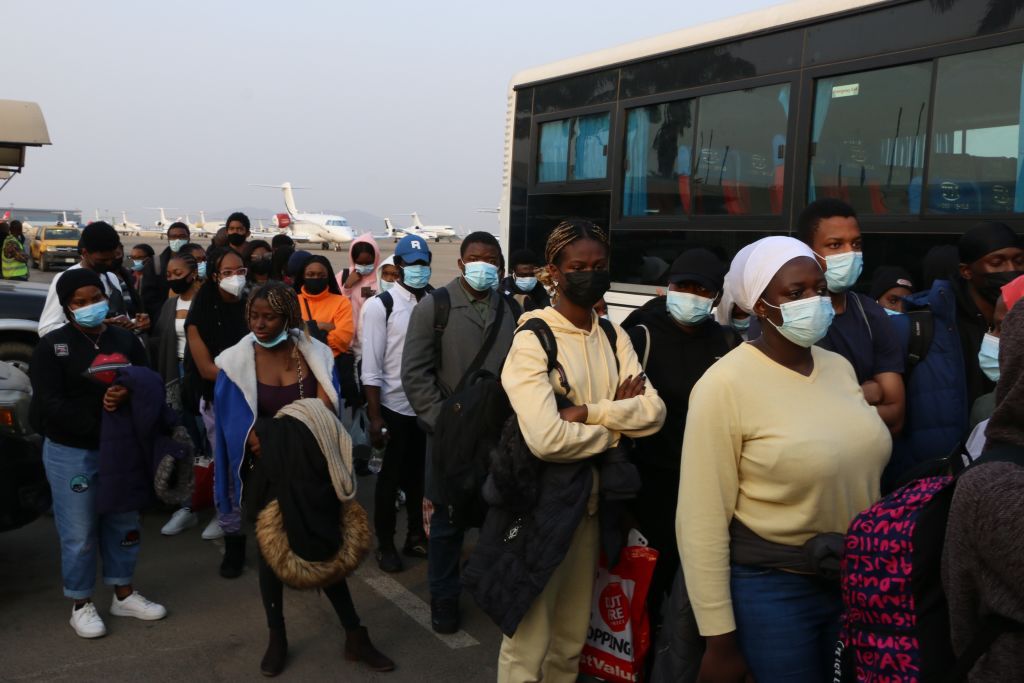
Hundreds have relocated to other states out of necessity, taking up work in farming, markets, or other survival-based jobs.
However, human rights researcher Ahmed Othman emphasises that the army - which has held power since the 2021 coup - has been actively arresting foreigners as a way to pressure the United Nations into resuming financial support for refugee programs.
He notes that, prior to the war, Khartoum used to receive millions of dollars in in such funding.
He explains that it is likely the military regime is trying to pressure or bargain with the United Nations, knowing the UN would be alarmed by the forced return of refugees to countries they fled for various reasons.
This could prompt the UN to intervene and request a halt to the campaigns in exchange for legalising the refugees’ status.
He adds: “The majority of foreigners in Sudan during the war came from countries experiencing armed conflict, and they had no real option to return. Meanwhile, the international community has largely abandoned the policy of third-country resettlement.”
