
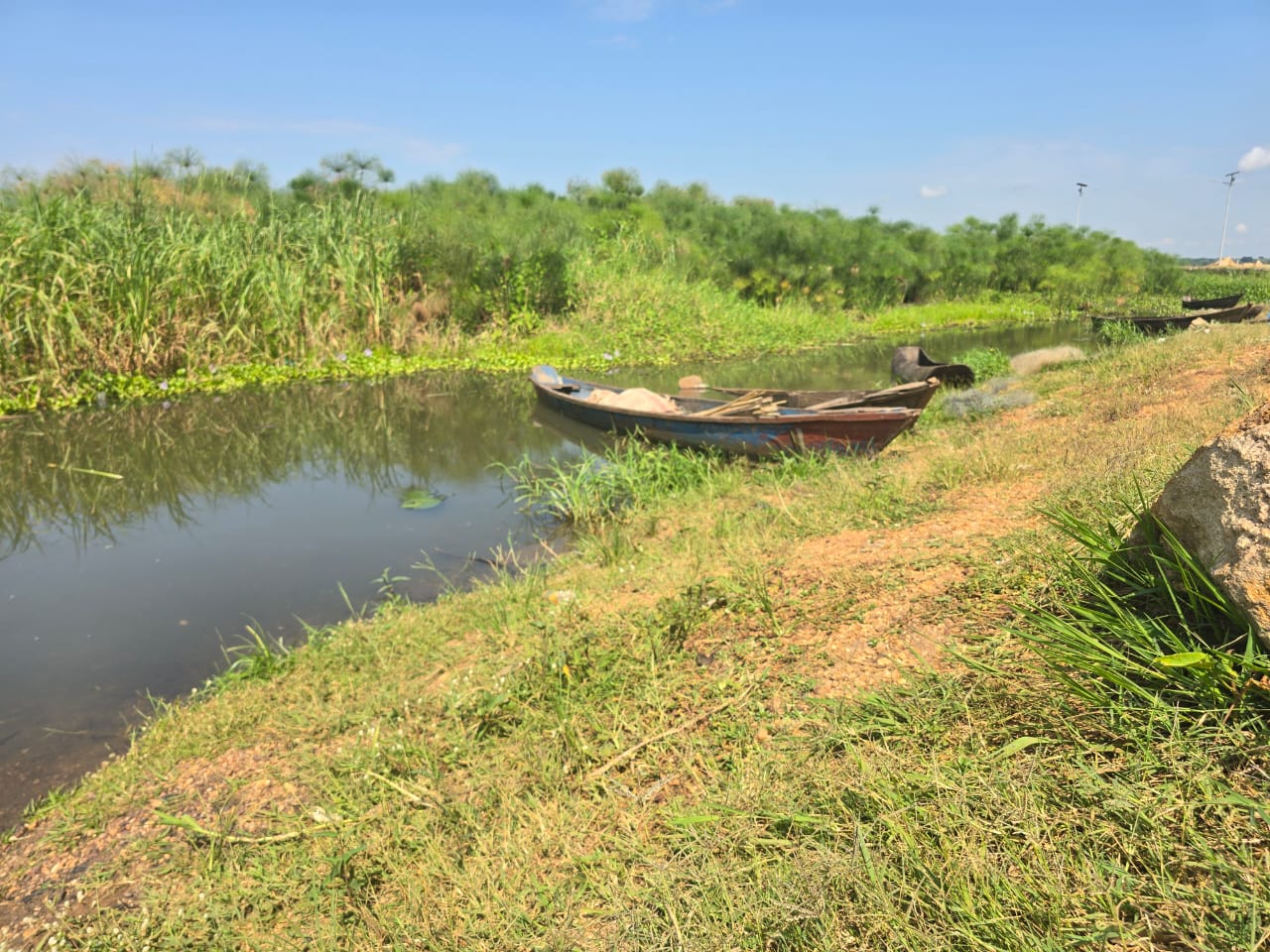
Obongi District has reduced the number of fishing landing sites along the River Nile from more than 100 ungazetted points to only 17 officially recognised and regulated sites in a sweeping crackdown on illegal fishing aimed at restoring declining fish stocks.
The Resident District Commissioner, Samuel Mpibaza Hashaka, said the decision follows recent directives issued by President Kaguta Museveni and guidance from the Deputy Chief of Defence Forces, Lt Gen Sam Okiding, intended to strengthen fisheries management and protect aquatic resources.
Hashaka said the proliferation of unauthorised landing sites had made it difficult for authorities to monitor fishing activities and enforce regulations effectively.
“We have had many ungazetted landing sites operating along the River Nile, which has created loopholes for illegal fishing practices. To address this challenge, we have streamlined the landing sites to only 17 officially recognised locations,” Hashaka said.
He added that under the new arrangement, each approved landing site will be allowed a maximum of 15 fishing boats, a measure designed to improve accountability, strengthen monitoring, and reduce pressure on fish stocks.
“This is not intended to punish fishermen but to ensure that fishing activities are conducted in a regulated and sustainable manner. If we do not act now, future generations may not benefit from these fisheries resources,” he said.
Hashaka noted that concentrating fishing activities at gazetted landing sites will enable fisheries officers, local leaders and security agencies to better monitor compliance with fisheries laws, eliminate illegal fishing gear and protect breeding grounds.
“The President has consistently emphasised the need to protect our natural resources. The guidance from Lt. Gen. Sam Okiding has further strengthened our resolve to enforce fisheries regulations and eliminate illegal practices that threaten livelihoods,” he said.
He added that the reforms are also expected to improve revenue collection, enhance safety on water transport routes and support sustainable economic activities for communities dependent on fishing.
Hashaka urged fishermen and local leaders to cooperate with enforcement teams and embrace the new measures for the benefit of the district and the country.
“Protecting the Nile is a shared responsibility. We call upon all stakeholders to support these reforms so that our fisheries resources can be preserved and managed sustainably,” he said.
District authorities believe the new regulations will contribute significantly to the recovery of fish stocks in the River Nile while ensuring that the fishing industry remains a viable source of income for residents of Obongi and surrounding areas.
