
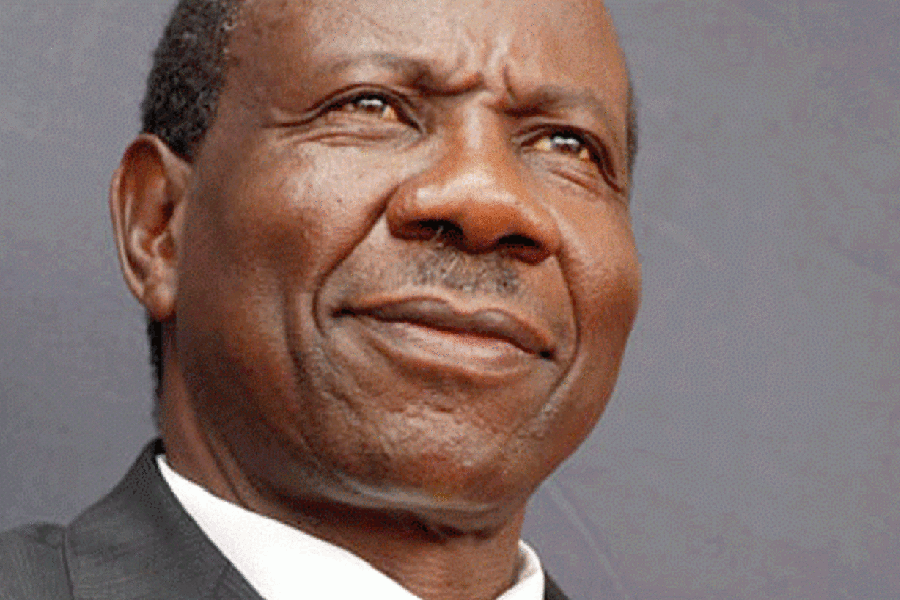
May 28 marks the birthday of veteran politician Matia Kasaija, one of the country’s longest serving public servants and arguably its most unintentionally entertaining cabinet minister.
Born on May 28, 1944, in Kibaale District, Kasaija built a political career that stretched from the Obote II government, through the NRA Bush War, and into four decades of service under President Museveni.
But while his official résumé includes titles like Finance Minister, Governor at the World Bank Group, IMF representative and senior NRA mobiliser, many Ugandans will remember him for something else entirely. The quotes.
Over time, Kasaija evolved from a serious economic policymaker into a full-blown national meme machine. He spoke with the bluntness of a village elder, the confidence of a seasoned politician and the timing of a stand-up comedian, often without meaning to.
Few phrases captured that better than the now legendary, “Colleagues, money will come.”
What was meant to be a routine budget communication exploded into one of Uganda’s biggest viral political moments.
The phrase instantly escaped Parliament and entered everyday life. Salary alerts became “money has come”. Small mobile money transactions became “money has come”. Even friends buying a round of drinks suddenly announced it like the Finance Minister.
Perhaps the most visually iconic Kasaija moment came when he tried to explain economic growth in a way that people could feel rather than analyse.
He raised his hand like an aeroplane taking off, then accompanied the gesture with a rising whistle to show the economy “lifting off”. It spread widely as a meme because it was not just what he said, but how he physically performed the idea of growth.
His charm came from sounding completely unscripted. At a time when many politicians spoke in polished diplomatic language, Kasaija sounded like he was explaining the economy during a family meeting in the village.
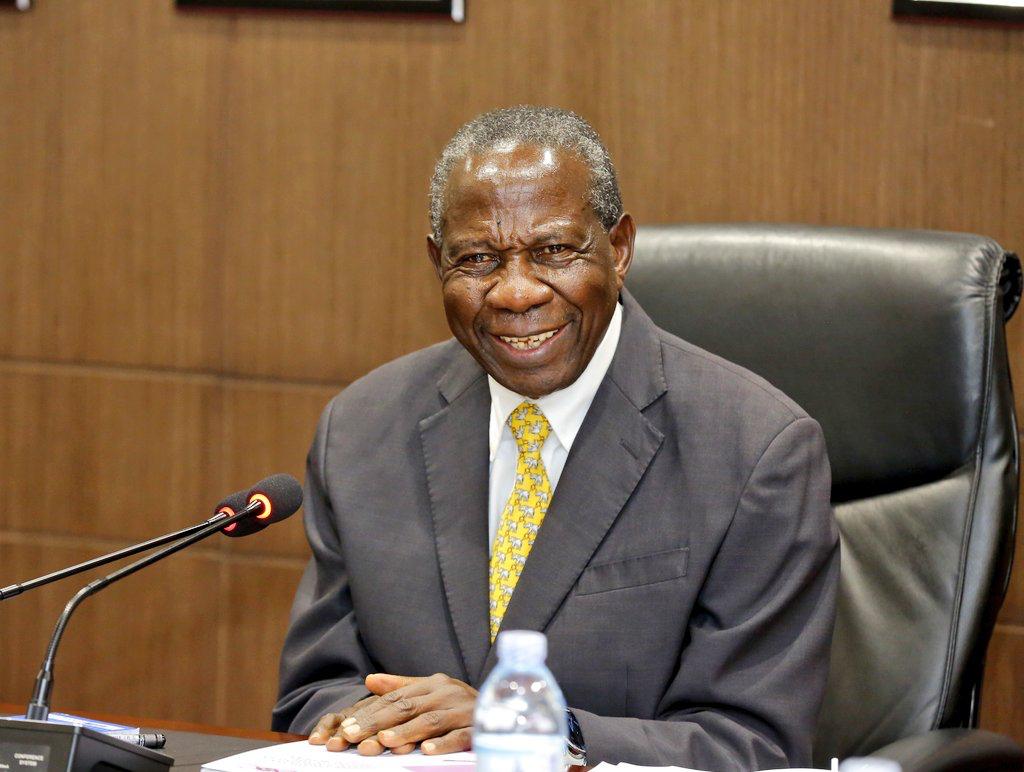
Sometimes his honesty was so direct it became comedy gold.
“I shake when signing money to corrupt ministries.”
Only Kasaija could admit fear while signing government expenditure and somehow leave Ugandans laughing, nodding and turning the quote into memes all at once.
When the Karamoja iron sheets scandal erupted, he produced yet another classic: “The iron sheets found me in my compound.”
The line immediately entered Uganda’s political folklore because of how casually he described government iron sheets appearing at his home, as if they had wandered there on their own.
Behind the humour, however, stood a man whose political life mirrored much of Uganda’s modern history.
After graduating with a Bachelor of Commerce degree from the University of Nairobi in 1967, Kasaija worked in the private sector with Shell and BP before entering politics in 1980. He later defected to the National Resistance Army during the Bush War and remained part of Museveni’s political establishment for decades afterwards.
He served in multiple government roles before becoming Minister of Finance, Planning and Economic Development in 2015, overseeing Uganda’s budgets, tax policies and economic planning during a turbulent and transformative decade.
This year, however, marked the closing of another chapter. Following the release of the 2026-2031 cabinet list by President Museveni, Kasaija was dropped from cabinet, ending one of the longest ministerial runs in recent Ugandan politics.
For many Ugandans, it felt like the end of an era. Not simply because a finance minister had exited government, but because one of the country’s last truly unpredictable political personalities had left the front bench.
Ugandan politics will continue to produce ministers, economists and technocrats. But producing another Matia Kasaija, a man who could discuss fiscal deficits one minute and accidentally create national comedy material the next, may prove far harder.
And somewhere across Uganda today, as another mobile money notification lands on someone’s phone, there is still a good chance somebody will smile and say:
“Colleagues… money has come.”
