
African countries have been urged to strengthen professional local journalism to protect the continent from foreign influence, distorted narratives, misinformation, and the gradual erosion of cultural identity and national sovereignty.
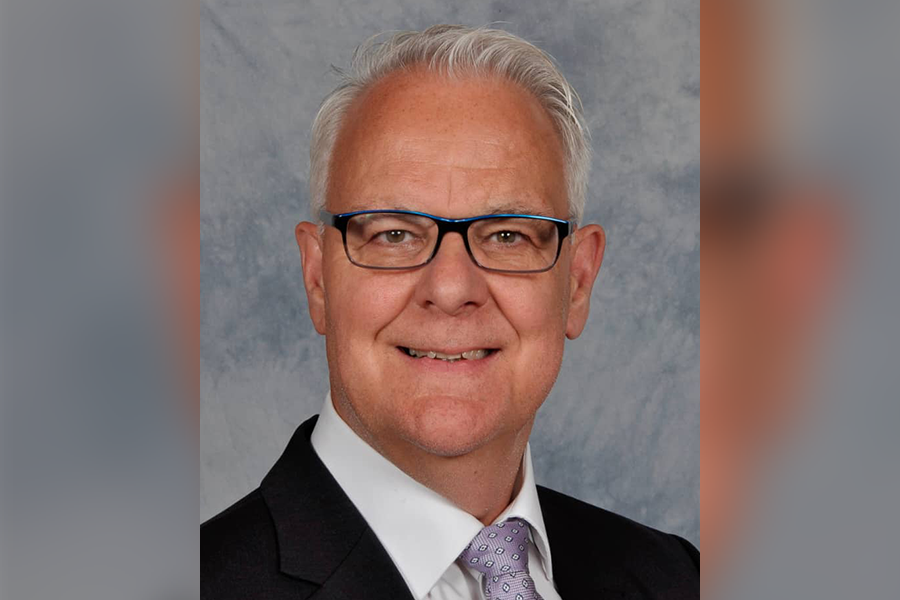
Speaking during the World Press Freedom Day RNB Live panel discussion held in honour of veteran journalist Dorothy Doreen Nalumansi, international lawyer and governance expert Peter Bernhardt warned that global media systems, artificial intelligence, algorithms, and foreign-controlled information platforms are increasingly shaping how African societies and leadership are perceived both locally and internationally.
“A nation that cannot communicate its own story will eventually have its story told by others,” Bernhardt said. “Professional journalism is therefore part of protecting sovereignty, culture, and national dignity.”
Bernhardt argued that credible African journalism is no longer limited to reporting events, but has become central to protecting how nations understand themselves and preserve their own voice in a rapidly evolving digital environment.
According to him, strong local media institutions help citizens maintain confidence in their culture, institutions, and national direction while reducing dependence on sensational and externally driven narratives.
He noted that balanced journalism ensures African traditions, languages, perspectives, and lived experiences remain visible and respected globally instead of being overshadowed by imported agendas.
Bernhardt further explained that trusted media ecosystems help societies distinguish genuine public discourse from manipulated information designed to divide communities, fuel polarization, or weaken public confidence in institutions during moments of political or economic pressure.
The panel discussion also emphasized the need to invest in the next generation of journalists through stronger professional training and international collaboration.
Bernhardt proposed the establishment of an academy for journalism aimed at strengthening ethical reporting, digital competencies, and responsible public communication across Africa.
He also revealed plans to engage with Henri-Nannen-Schule in Hamburg to explore cooperation in journalist education, exchange programmes, curriculum development, and professional training.
Participants at the discussion agreed that building strong journalism institutions remains essential in safeguarding African sovereignty, preserving cultural identity, and enabling Africa to continue telling its own story with confidence, balance, and credibility in the global information age.
