
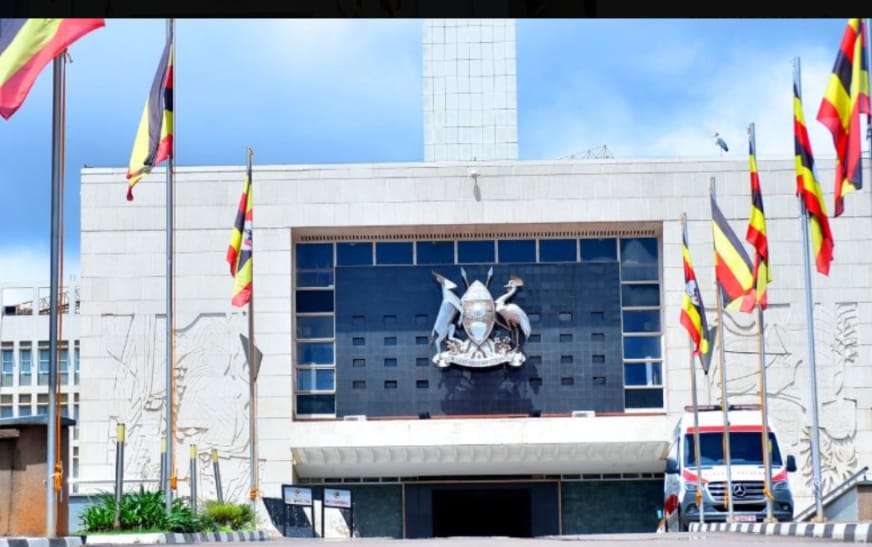
The passage of the Protection of Sovereignty Bill, 2026 by Parliament has triggered debate in Kabale District, with political analysts and civil society actors divided over its implications for national security and civil liberties.
While some observers argue the proposed law could strengthen Uganda’s ability to guard against foreign interference, others warn it risks shrinking civic space and undermining constitutional freedoms if implemented in its current form.
Speaking in an interview, political analyst Professor Sabiiti Makara said the bill carries important provisions aimed at protecting national sovereignty and independence, particularly in regulating external influence.
“It is not that foreigners should not come to Uganda, but they should come with good intentions; and if the state finds that their intentions are not good, the state would act on them,” he said.
However, Prof Makara cautioned that several provisions within the bill could negatively affect freedom of expression and civic participation, particularly for journalists, civil society organisations, religious groups, and ordinary citizens.
“We are seeing a narrowing of political space in the country, and this bill that is to become an Act can actually accelerate that narrowing,” he added, warning that some clauses—though not immediately visible—could further restrict public engagement.
Civil society voices have also expressed concern over the potential legal implications of the bill once enacted.
Robert Kakuru, Executive Director of Kick Corruption Out of Uganda, said the legislation could face constitutional challenges if assented to by the President.
He noted that Ugandans are likely to petition courts of law to contest provisions they view as inconsistent with constitutional guarantees.
The debate in Kabale reflects a broader national conversation surrounding the bill, as stakeholders weigh the balance between safeguarding national security and preserving democratic freedoms.
The Protection of Sovereignty Bill is expected to shape Uganda’s legal and political landscape, particularly in how the country regulates foreign influence and civic activity in the years ahead.
