

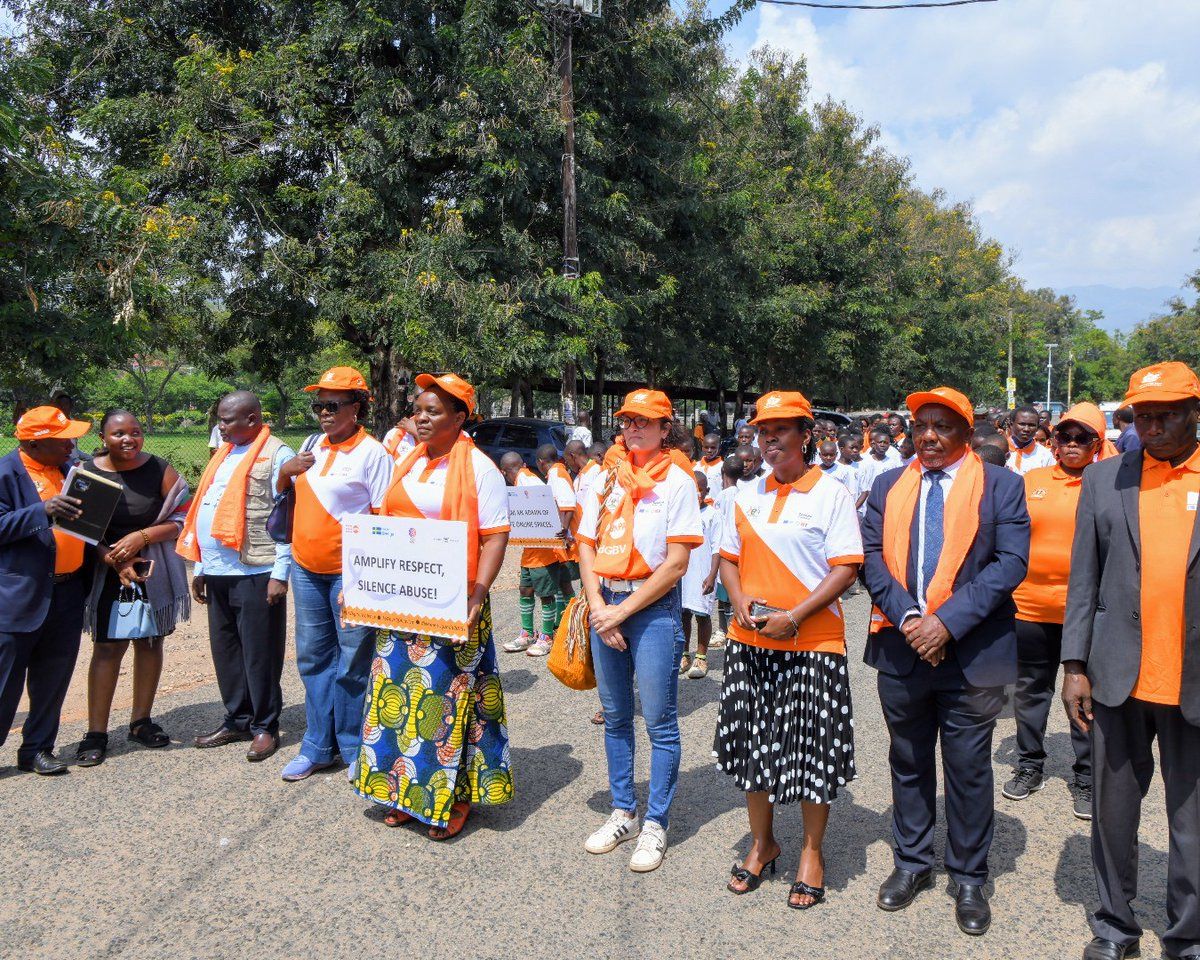
A surge in online abuse targeting women and girls across East and Southern Africa is overshadowing the promise of digital technology as a tool for empowerment, UN Women has warned.
The organisation is urging governments, tech companies, and communities to take urgent action during the 16 Days of Activism against Gender-Based Violence campaign.
From cyberstalking and harassment to non-consensual image sharing and AI-generated deepfakes, women leaders, journalists, and human rights defenders are increasingly facing gendered attacks designed to silence their voices.
In Kenya, Uganda, and South Africa, female politicians report receiving deepfake attacks and threats of physical harm, while studies show one in four women journalists globally face online threats. Regional trends mirror this alarming reality.
“Online abuse is not confined to virtual spaces; it has real-world consequences, from fear and intimidation to physical violence,” said Anna Mutavati, UN Women Regional Director for East and Southern Africa.
“Technology must become a force for equality, not harm. Weak legal protections leave millions of women and girls vulnerable.”
Sub-Saharan Africa continues to lag in digital protections, with only 25 percent of countries offering legislation against cyber harassment or stalking. Even where cybercrime laws exist, enforcement is often weak, and gender-specific protections remain limited.
Reports show that 28 percent of women surveyed across Ethiopia, Kenya, Uganda, Senegal, and South Africa have experienced online violence.
Among female African parliamentarians, 42 percent reported receiving death, rape, or abduction threats online. In South Africa, UNODC reports that 95 percent of online aggressive behavior is directed at women and girls.
The 16 Days of Activism campaign calls for stronger laws and enforcement to protect women online, regional cooperation with tech companies to enhance accountability, funding for women’s rights organisations to support survivors, digital literacy programs and protections for women in public positions, and investment in prevention to challenge toxic online behaviors and discriminatory norms.
UN Women is also launching new tools to support governments and law enforcement, including the Supplement to the Handbook for Legislation on Violence Against Women on technology-facilitated abuse and the Guide for Police on Addressing Technology-Facilitated Violence.
Feminist advocacy has brought global recognition to digital violence as a fundamental human rights issue, but shrinking civic space and funding cuts threaten to undermine progress.
Initiatives like the EU-funded ACT to End Violence Against Women and Girls program remain critical to supporting feminist movements across the region.
“Until digital spaces are safe for all women and girls, true equality will remain out of reach,” Mutavati said.
The 16 Days of Activism campaign runs annually from 25 November to 10 December, linking the International Day for the Elimination of Violence against Women with Human Rights Day.
This year, the campaign focuses on ending digital violence, calling on all stakeholders to strengthen laws, hold tech platforms accountable, and ensure women’s safety online.