

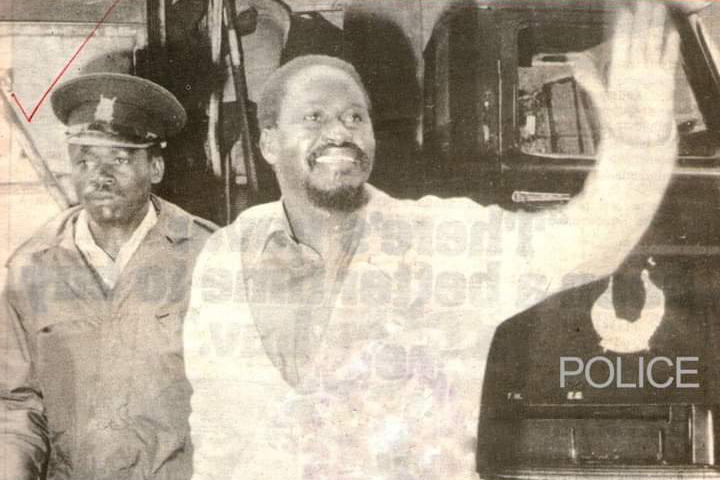
Raila Amolo Odinga, one of Kenya’s most enduring political figures, bore the physical and psychological scars of decades-long political struggle, with some of the deepest wounds dating back to the 1980s.
In August 1982, Kenya faced a defining political crisis when a faction of the military attempted a coup to overthrow the government of then-President Daniel arap Moi.
Amid the chaos, Raila Odinga, then a rising opposition leader and son of Kenya’s first Vice President, Jaramogi Oginga Odinga, was accused of being among the masterminds behind the failed coup.
Arrested and charged with treason—a capital offense—Odinga was thrust into a brutal and prolonged period of imprisonment. Held in solitary confinement and isolated from public and political networks, his detention was emblematic of the tense political climate of early 1980s Kenya, where dissent was often equated with subversion.
The government’s crackdown was swift and uncompromising, targeting anyone perceived as a threat to the Moi regime.
Odinga endured nearly six years of imprisonment under harsh conditions at facilities such as Kamiti Maximum Prison and Shimo la Tewa. His ordeal included relentless physical torture, psychological torment, and deprivation.
In his 2013 autobiography, The Flame of Freedom, he recounted being beaten by Special Branch officer Josiah Kipkurui Rono, who struck his head and shoulders with a broken table leg, leaving him dazed and collapsed.
Further assaults targeted his chest and genitals, causing severe trauma. Neurologists note that repeated head injuries can lead to long-term complications, including hydrocephalus—a life-threatening buildup of fluid in the brain, which Odinga was later diagnosed with in 2010.
Hydrocephalus, marked by excessive cerebrospinal fluid pressing against the brain, can trigger headaches, fatigue, and neurological damage.
Odinga underwent emergency surgery at Nairobi Hospital in June 2010, where neurosurgeon Oluoch Olunya drained the fluid through a small skull incision.
While initially attributed to a minor head injury from a car accident weeks prior, medical experts now consider the severe trauma he suffered during his imprisonment as a significant contributing factor.
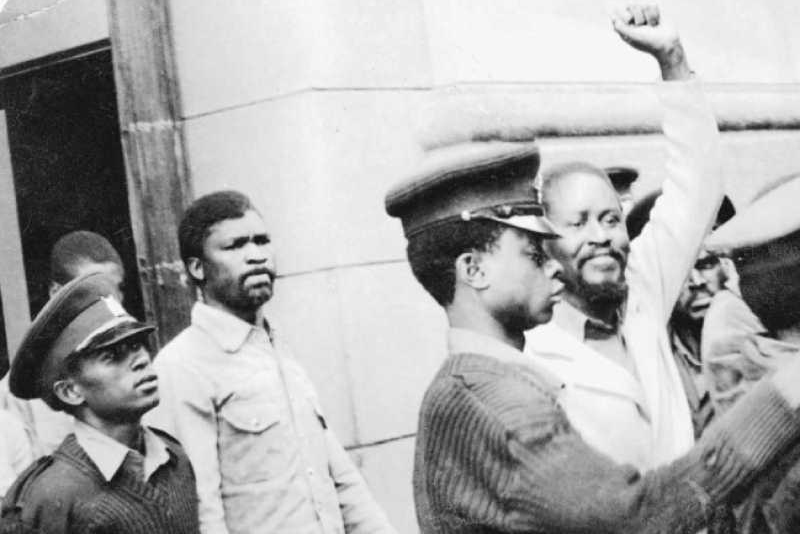
The psychological toll of his detention was equally profound. Odinga endured prolonged periods of solitary confinement in dark, flooded cells, starvation, and restrictions on family contact.
He was barred from attending his mother’s funeral and denied the simplest human dignities, amplifying the long-term health impacts of his physical injuries.
In February 1988, Odinga was released amid mounting national and international pressure, but his freedom was short-lived. By August of the same year, he was again detained amidst renewed government crackdowns on opposition activity.
This second detention lasted until June 1989, reinforcing the precariousness of political life under Moi and the risks associated with dissent.
Despite the brutality he endured, Raila Odinga emerged from prison as a symbol of resistance to authoritarianism. His experiences galvanized public support and cemented his reputation as a principled leader willing to sacrifice personal freedom in pursuit of democracy and justice.
These early trials would shape his political trajectory, ultimately guiding him to play a central role in Kenya’s constitutional reforms and to serve as Prime Minister from 2008 to 2013.
Raila’s detention and the violence he endured left an indelible mark not only on his health but on his character.
In death, these experiences are remembered as a testament to his resilience, courage, and unwavering commitment to democratic governance.
The scars he bore—both visible and hidden—serve as enduring reminders of the sacrifices he made in the pursuit of a more democratic and just Kenya.
Today, Raila Odinga’s story of imprisonment, torture, and survival continues to inspire generations of Kenyans. It is a reminder of the price of political activism under authoritarian regimes and of the human toll borne by those who fight for the freedoms others often take for granted.
From Kamiti Maximum Prison to the halls of power, Raila Odinga’s journey underscores the intersection of courage, suffering, and the enduring quest for justice—a legacy that will resonate for decades to come.
Additional reports from social commentaries and agencies