
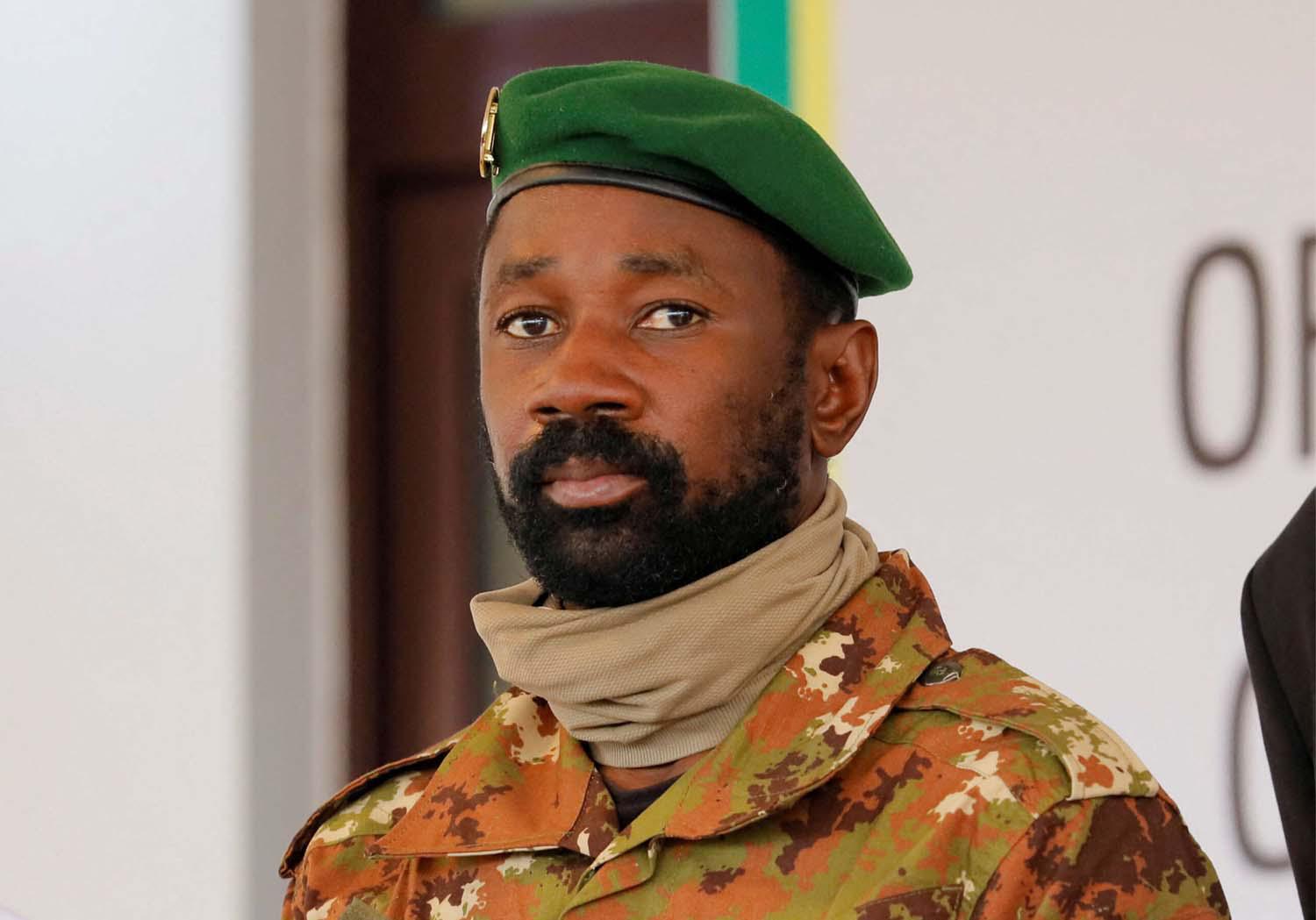
Mali’s military leadership has taken a bold and controversial step: it has officially given interim President Assimi Goïta, a military general who seized power in a 2021 coup, a renewable five-year term in office—without any election.
This decision was made by the country’s military-appointed legislature, known as the National Transitional Council, on July 3.
It effectively allows Goïta to remain in power until at least 2030, marking a significant departure from earlier promises to return the country to civilian rule.
Mali, a West African nation of about 22 million people, has faced years of political turmoil and insecurity.
The instability began with a military coup in August 2020 that overthrew the elected government. Less than a year later, in May 2021, Assimi Goïta led another power grab and declared himself transitional president.
At the time, the junta committed to organising democratic elections and restoring civilian leadership. However, those pledges were repeatedly delayed and have now been quietly abandoned.
Under the new arrangement, Goïta will serve a five-year term beginning this year. The term is renewable, meaning there is no cap on how long he could stay in power as long as the military-aligned institutions approve.
Critically, the arrangement removes any clear timeline for a return to democratic governance.
In May this year, the military also dissolved all political parties, citing threats to public order. That move eliminated nearly all avenues for opposition or dissent, further entrenching military control.
The current state of affairs follows a national dialogue held in April 2025, where participants—mostly pro-junta or state-influenced figures—recommended extending Goïta’s leadership and dissolving political parties altogether.
Many opposition and civil society groups boycotted the process, saying it lacked transparency and was designed to justify prolonged military rule.
Nevertheless, the military leadership wasted no time in implementing its outcomes.
The developments have drawn concern from democracy advocates and human rights groups. Mali’s military rulers have steadily isolated the country from traditional Western allies.
Over the past two years, the junta has expelled both French and United Nations troops, exited the West African regional bloc ECOWAS, and deepened ties with Russia.
Just last month, Mali signed a cooperation agreement with Moscow covering nuclear energy, trade, and security—further signalling its shift toward new geopolitical alliances.
Despite these moves, the country continues to grapple with insecurity. Islamist militants remain active in northern and central Mali, and large swathes of the country remain outside government control.
Although the junta has brought in Russian-linked military support, including elements tied to the Wagner Group, the overall security situation remains fragile.
Analysts warn that Mali is now sliding firmly into long-term military rule. The absence of elections, the repression of dissent, and the lack of a clear roadmap for civilian governance raise serious concerns about democratic backsliding, human rights, and long-term peace in the region.
With the political space narrowed and public debate increasingly silenced, General Assimi Goïta remains firmly in charge—unelected and now with a mandate that could extend well beyond 2030.
