
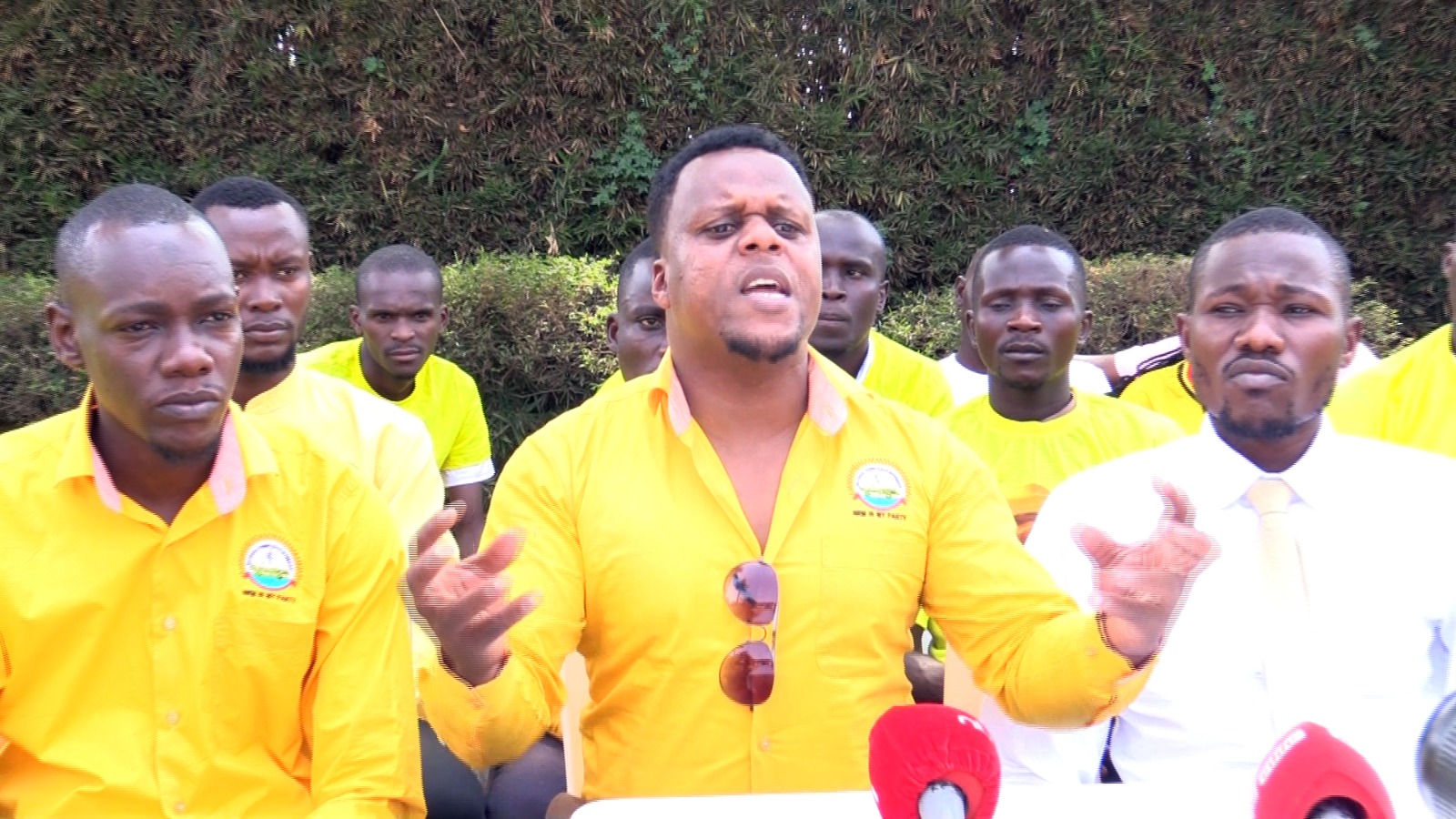
Tensions within the National Resistance Movement (NRM) party have reached a boiling point as its foot soldiers have issued an ultimatum, threatening mass defection if the government does not release detained political prisoners.
The warning comes after a recent conference where NRM youth supporters expressed their frustration and disappointment with the government's treatment of those behind bars.
Mahad Kaweesa, leader of the NRM foot soldiers, revealed that many of the detained individuals are relatives of the party's supporters, who believe their loved ones are being unjustly targeted and persecuted.
"We are tired of being taken for granted," said a leader of the foot soldiers in Nakawa, speaking on condition of anonymity.
"We have been loyal to the party and have worked tirelessly to ensure its success. But now, our relatives are being detained and persecuted, and we are being told to remain calm and patient. It's unacceptable."
Despite appeals for calm from Emmanuel Domdo, NRM spokesperson, the foot soldiers remain resolute in their demand for the release of political prisoners and the dropping of all charges against them.
"We will not be silenced," Kiwendo added.
The crisis comes at a time when the government is under increased scrutiny from opposition parties and human rights organizations over its record on political repression.
The detentions have been widely criticized as a tool to silence dissent, further alienating the grassroots support that has long been a cornerstone of NRM's political dominance.
The NRM's 40-year rule has been marked by significant achievements, but the current crisis threatens to erode its popular support as more citizens question the party’s commitment to justice and human rights.
The detained political prisoners and their families continue to bear the brunt of the government's actions, further fueling discontent within the party.
As the situation develops, it remains unclear whether the NRM can resolve the crisis and preserve its hold on power.
What is certain is that the party faces a significant challenge, as its traditional grassroots base begins to demand answers on the government's stance on human rights and justice.
