
Amid the rolling foothills of the Rwenzori Mountains in Uganda, a story of creativity, resilience, and hope quietly unfolds.
Here, in Ruboni Tourism Village, a community initiative is rewriting the narrative of disadvantaged children and youth, offering them opportunities to turn creativity into livelihoods.
At the center of this transformation is Ruboni Arts Village (RAV), a grassroots organization founded in 2020 by performing artist Kasoba Thembo Omumbere and self-taught craftsman Anthony Masereka.
Although still a small and upcoming community-based organization (CBO), its impact on the lives of children and youth is profound, driven by a vision to inspire sustainable development through arts and culture.
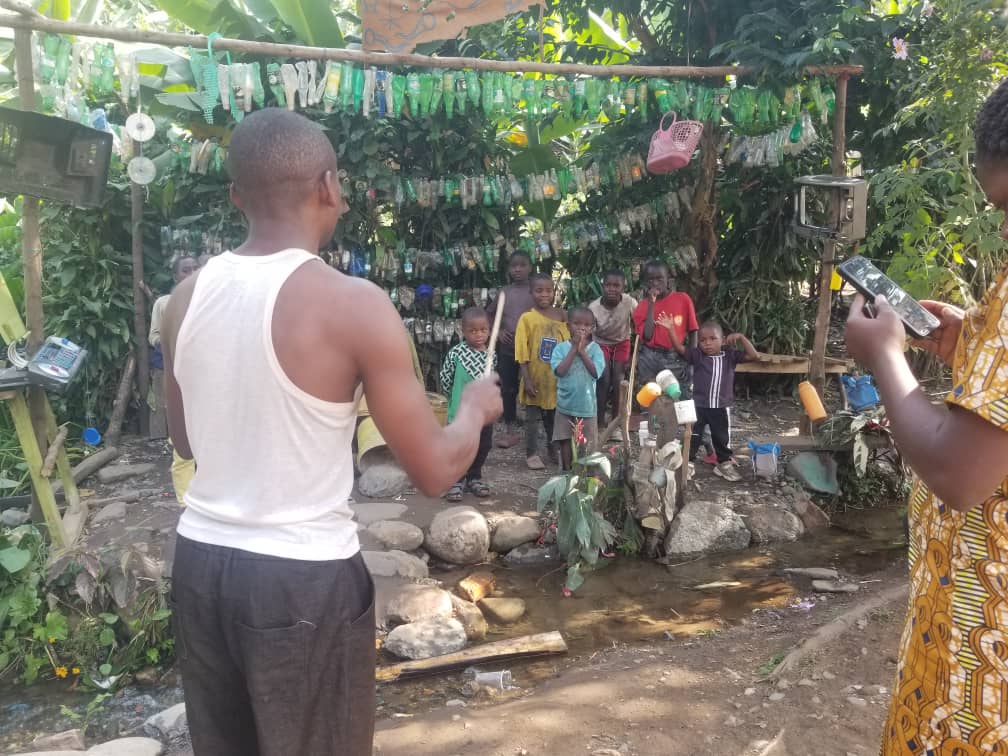
In the heart of Ruboni Arts Village, the melodies of children’s music fill the air, played on instruments crafted entirely from recycled plastics.
The live performances are organized by the center’s music leader, who trains children and youth in singing, dancing, and drumming.
“Our music is unique because it cuts across various cultures, and the soundbeats come from recycled materials. This inspires not only us but the tourists who visit," Thembo says.
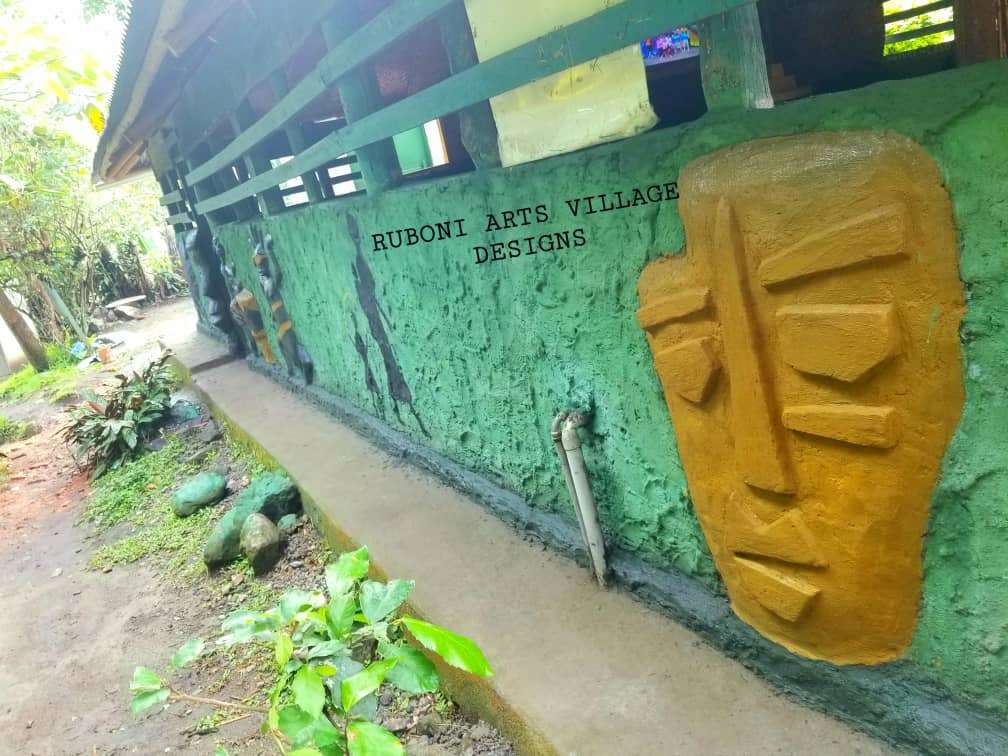
This resourcefulness extends beyond music. Through recycling initiatives, the village produces beautiful crafts and sculptures sold as souvenirs to tourists.
Painted stones, fiber artworks, and woven baskets tell a story of innovation and environmental responsibility, turning discarded waste into economic opportunity.
Crafted with care, colored by courage, and carved from creativity, the crafts of Ruboni reflect resilience.
For the children and youth of Ruboni, the Arts Village is more than a place to explore creativity; it is a source of hope. Most of the children who participate are from less privileged families, with limited access to basic needs or education.
Through the proceeds of RAV’s activities, leaders provide support, including school fees and other necessities.
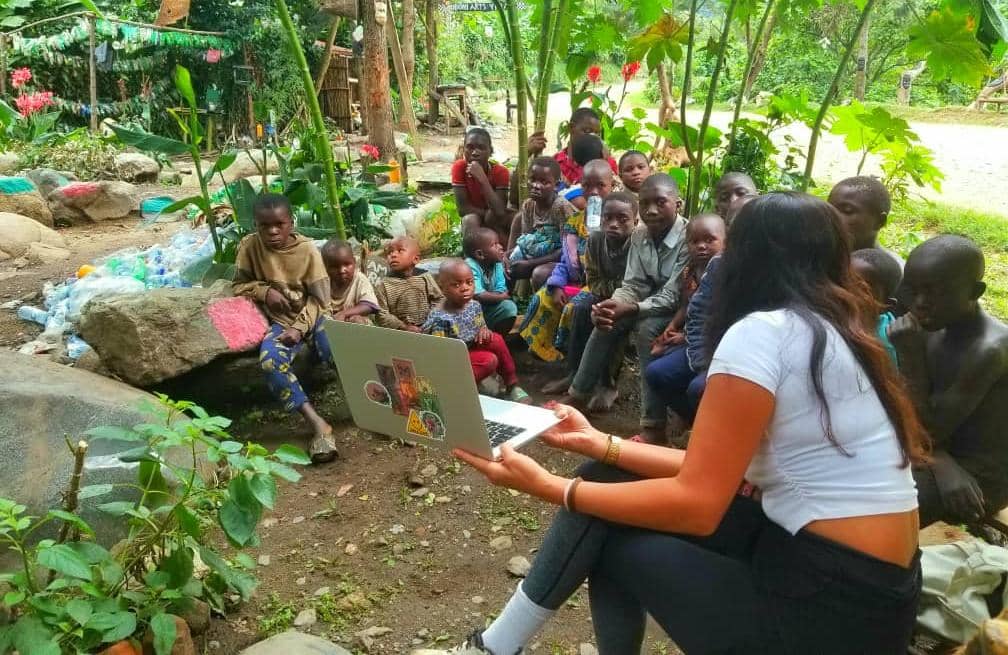
To date, six children have secured scholarships funded by well-wishers, with others benefitting from small but vital contributions that ease the burden on their families.
“Our initiative has helped engage children and youth in alternative ways of generating income while giving them hope for a better future,” says Masereka.
During holidays, the center hosts up to 70 children and youth, equipping them with skills in arts and crafts. This year, their annual art exhibition, held from November 11 to 17, showcased their talents to the world, inspiring young participants to see their creativity as a pathway to financial independence.
Ruboni Arts Village’s success is intertwined with the rich heritage of Ruboni Tourism Village, a community that has long attracted tourists trekking the first trail to the Margarita Peak in the Rwenzori Mountains.
However, the village’s charm goes beyond its natural beauty.
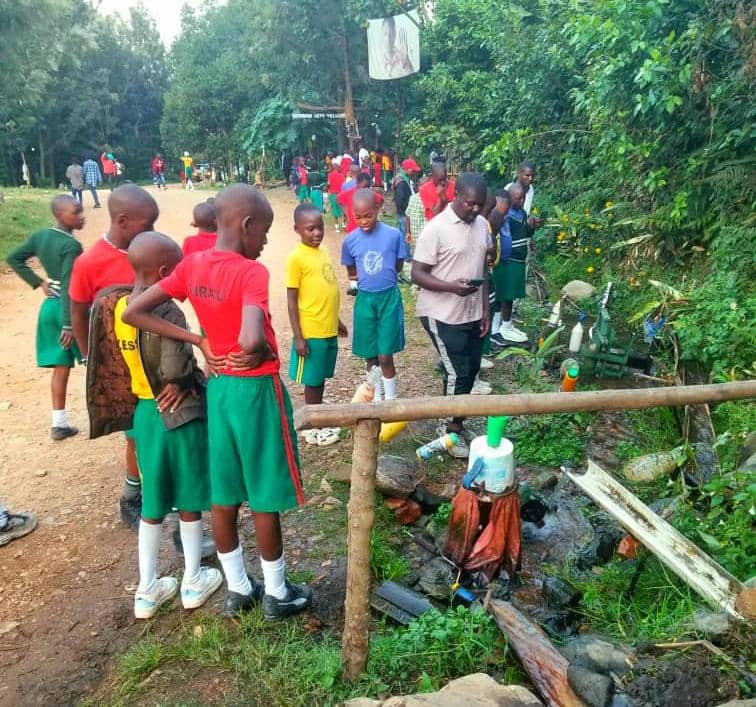
In November 2024, the United Nations World Tourism Organization (UNWTO) selected Ruboni Tourism Village for a high-profile upgrade program, shining a global spotlight on the area.
This recognition affirms the village’s immense potential as a sustainable tourism destination, with Ruboni Arts Village playing a pivotal role.
One of the community’s standout achievements is the transformation of the abandoned Kilembe Mines dam into Lake Ruboni, a stunning aquatic tourism site.
Alongside this, the Arts Village has implemented a small-scale hydroelectric power project that now powers its facility and holds promise for electrifying the entire community in the future.
Despite its inspiring progress, Ruboni Arts Village faces significant hurdles. The facility lacks adequate equipment and space to meet the needs of the growing number of children and youth it serves.
With little support from local authorities, the initiative relies heavily on the creativity of its leaders and the generosity of visitors and well-wishers.
“Our biggest challenge is the lack of facilities. We have overcome this by using alternative means like recycling, but our dream is to construct a well-equipped children and youth center to enhance our impact," Thembo said.
The envisioned state-of-the-art center would include an arts-skilling institution, providing young people with a platform to hone their talents and secure brighter futures.
Ruboni Arts Village is not just a hub for creativity; it is a model of grassroots innovation, demonstrating the transformative power of community-driven development. It has become a lifeline for its beneficiaries and a magnet for tourists seeking authentic cultural experiences.
The children’s performances along the village paths leading to the Rwenzori National Park are as enchanting as they are inspiring.
Each child’s laughter seems loud enough to shake the Rwenzori peaks, their joy a force of nature stronger than any storm.
The vibrant energy of their songs and dances draws visitors who, in turn, leave with more than souvenirs—they leave with memories of a resilient community striving for a better future.
As Uganda’s tourism industry evolves, Ruboni Arts Village remains a shining example of how creativity, sustainability, and unity can unlock untapped potential.
From its recycled plastic instruments to its botanical gardens and outdoor art galleries, Ruboni embodies the power of grassroots efforts to drive change.
Like rivers cutting through stone, the children carve paths to hope with the tools of art and music.
Visitors to Ruboni Arts Village are not just tourists; they are partners in a movement to inspire, empower, and transform.
Many children in Kasese face a harsh reality. Like seeds scattered on rocky soil, their potential is left untapped, and their dreams often wither before they bloom.
For every classroom filled with eager learners, there are countless others left empty, collecting dust as children toil in fields, break their backs with loaded merchandise and firewood for long distances or weave baskets to make ends meet.
The statistics paint a grim picture. According to the Uganda Bureau of Statistics, over 30% of school-age children in Kasese do not attend school, while an estimated 1 in 4 drop out before completing primary education.
With 70% of families living below the poverty line, education remains an unattainable luxury for many, a distant dream overshadowed by the struggle for daily survival.
For these children, the sound of a school bell is a rare privilege, and the chance to hold a pencil is a distant hope. Barefoot and burdened, they roam the dusty paths of life, forced to grow up too soon.
Their childhoods are traded for labor, their futures for survival.
The abandoned school desks and silent chalkboards across Kasese from Ruboni to Katunguru tell stories of lost potential. Yet, amid the struggle, a flicker of resilience persists. These children carry a spark of hope, a desire to break free from the cycle of poverty, yearning for a chance to rewrite their stories through the gift of education.
As the Nile Post leaves the village, Ruboni Arts Village invited the world to witness the magic of its story—a story of hope, innovation, and the unyielding spirit of Uganda’s youth.
" Come to Ruboni and discover how a small village at the foot of the Rwenzoris is changing lives, one note, one craft, and one dream at a time," Thembo says.
