
Uganda’s public primary education system faces a pressing governance gap that continues to hinder its effectiveness.
Research conducted by the Initiative for Social and Economic Rights (ISER) highlights a glaring issue: the absence of a legal framework to establish and regulate the composition and functionality of parent-teacher associations (PTAs), despite their critical role in education delivery.
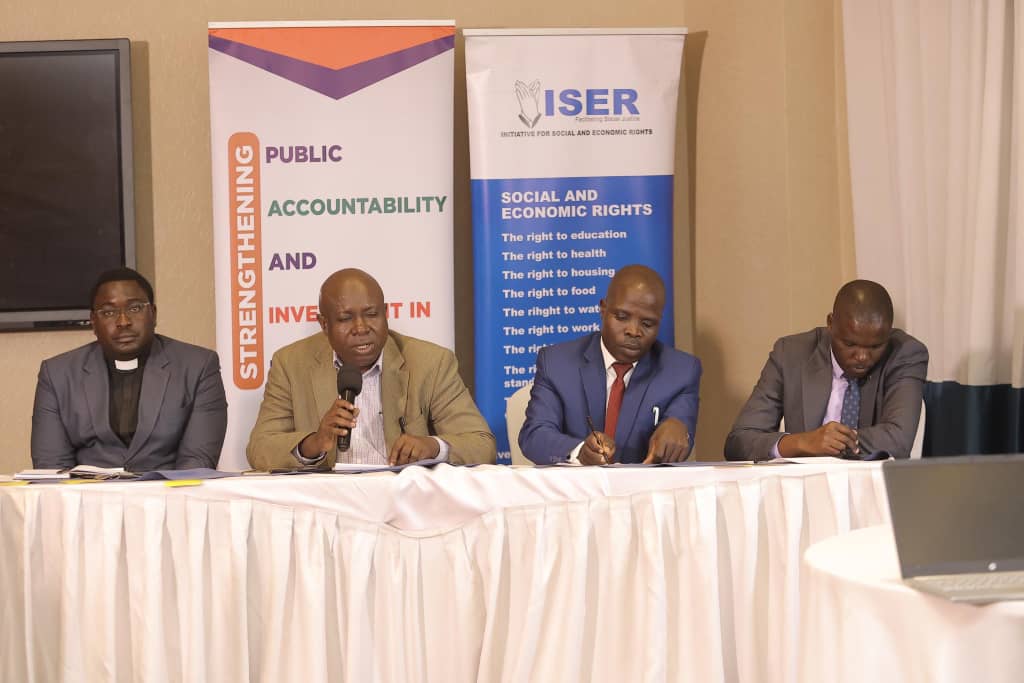
During a National Dialogue on the Role and Place of PTAs held in Kampala, stakeholders called for urgent reforms to address these challenges.
The dialogue brought together experts, educators, policymakers, and development partners, all emphasizing that the future of Uganda’s education system hinges on strengthened PTA involvement.
PTAs, though informal, have become lifelines for many public primary schools.
They mobilize resources, ensure learners’ welfare, and address gaps in government provision.
Musa Birungi, Senior Education Officer in the Basic Education Department, emphasized that parents must actively support their children’s welfare.
“PTAs are mandated to provide development funds and other welfare needs. Parents must step in to address financial and welfare issues that the government cannot fully cover,” Birungi said.
This sentiment was echoed by Zebedee Mwijukye, District Inspector of Schools in Sheema District, who noted that the lack of support for learners in health, sanitation, and nutrition has led to alarming school dropout rates.
Contrary to its Universal Primary Education (UPE) obligations, the government is falling short on financing, staffing, and infrastructure.
“School Management Committees (SMCs) have resorted to levying additional fees on learners.
These hidden costs, borne by peasant parents, have significantly contributed to Uganda’s 34% primary school dropout rate,” Maxwell Odongo, Senior Planner for Education and Skilling at the National Planning Authority, noted.
“Basic education cannot be the sole responsibility of the state. We need to strengthen existing structures such as SMCs, headteachers, and PTAs to ensure shared responsibility for children’s education,” Odongo added.
Stakeholders called for formalizing PTAs, increasing government funding for education, and encouraging collaboration with development partners.
Musa Mugoya, Program Manager of the Right to Education Program at ISER, highlighted the importance of shared responsibility in effective school governance.
“PTAs mobilize resources, teachers provide mentorship, parents support learning at home, and administrators manage policies. This synergy is crucial for the success of our schools,” Mugoya stated.
The dialogue concluded with several recommendations, including increasing the government’s capitation grant per child from Shs20,000 to Shs63,000 annually, as proposed by the National Planning Authority.
Additional measures included strengthening monitoring and supervision at all levels of education, providing adequate infrastructure, and fostering greater NGO involvement in financing basic education.
