
Amidst the evolving landscape of media, the transition from traditional platforms to the digital realm has been nothing short of the revolution.
Just a few decades ago, traditional media, including television, radio, and newspapers, were the primary sources of information and entertainment. However, the winds of change have swept through the industry, drastically altering the way we consume content and transforming the business models that support it.
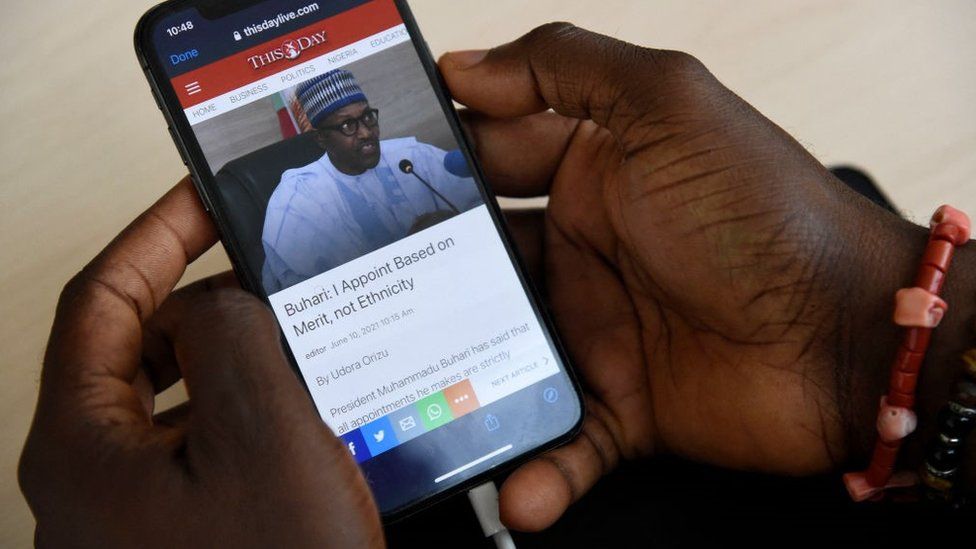
The transition can be attributed to several key factors including the increasing rate of internet usage and the proliferation of smartphones.
People today spend a substantial amount of time on their smartphones, something which has shifted their attention away from traditional television and radio broadcasts, among other forms of traditional media. This shift underscores the importance of digital platforms and the need for traditional media to adapt.
Social media platforms have and continue to immensely engage their users, offering an alternative source of information and entertainment.
With the rise of 'modern-day' marketing like influencer marketing, social media marketing, and video marketing, among others, brands have found new ways to connect with their audience, with a more significant reach than traditional media means.
This shift has compelled the forms of traditional media to adapt to the new normal of marketing and explore digital marketing as an avenue to reach their target audience effectively to the extent of even live-streaming their programs.
With digital platforms being monetized, individuals and businesses are also leveraging online presence for other brands to communicate with their audiences. If traditional media outlets are to thrive, they must make these provisions as well. Business is no longer as usual.
The digital era demands a reimagining of strategies, with a sharp focus on engagement in the digital sphere, and innovative approaches to delivering content and connecting with audiences.
