
By A.I Experiment
The terms "first world" and "third world" originated during the Cold War era and were used to categorize countries based on their political and economic alignments. These terms have evolved over time and are now considered somewhat outdated and simplistic. Here is an explanation of the historical and modern meanings of these terms:
1. First World:
- Historical Meaning: During the Cold War, the "First World" referred to the countries aligned with the Western bloc, led by the United States and its NATO allies. These countries were characterized by their capitalist economies, political stability, industrialization, and relatively high standards of living.
- Modern Meaning: Today, the term "First World" is rarely used, and when it is, it may refer to highly developed, industrialized, and economically advanced countries. These countries are often associated with high levels of infrastructure, technology, education, healthcare, and overall quality of life.
2. Third World:
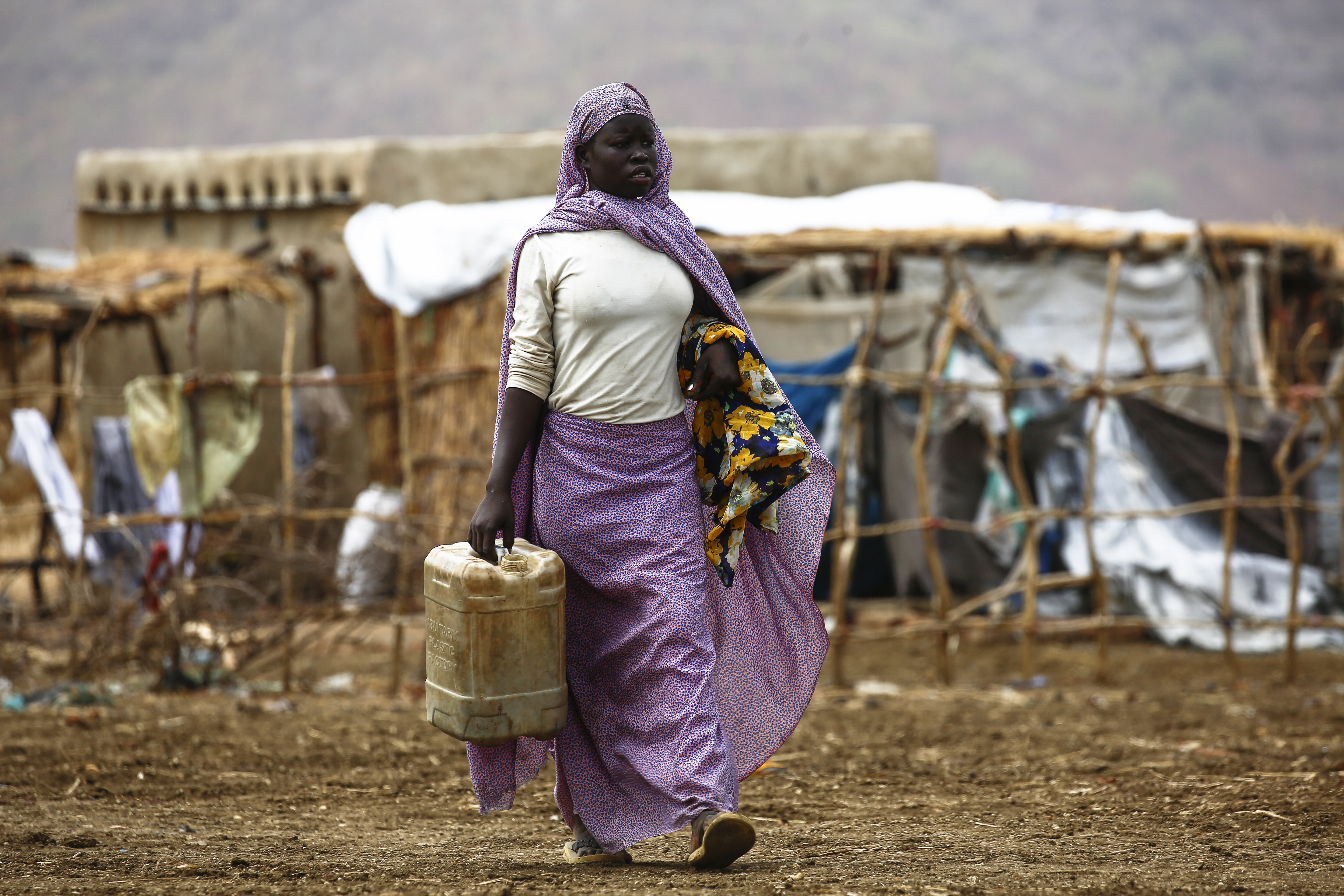
- Historical Meaning: During the Cold War, the "Third World" referred to countries that were not aligned with either the Western (First World) or Eastern (Second World) blocs. These countries often faced challenges such as poverty, political instability, underdevelopment, and lack of access to resources. The term "Third World" was originally neutral but has since taken on a negative connotation due to its association with underdevelopment.
- Modern Meaning: Today, the term "Third World" is considered outdated and insensitive. Instead, the preferred terminology is "developing countries" or "Global South." These countries are characterized by various degrees of economic and social development, with some making significant progress in recent decades. However, they still face challenges related to poverty, inequality, political instability, and lack of access to basic services.
It's important to note that these terms oversimplify the complex economic, political, and social realities of countries around the world. Additionally, the categorization of countries into "first," "second," or "third" worlds does not accurately reflect the diversity and complexity of global development. Many experts and organizations now use more nuanced and updated terminology to describe countries' development status and challenges.
