
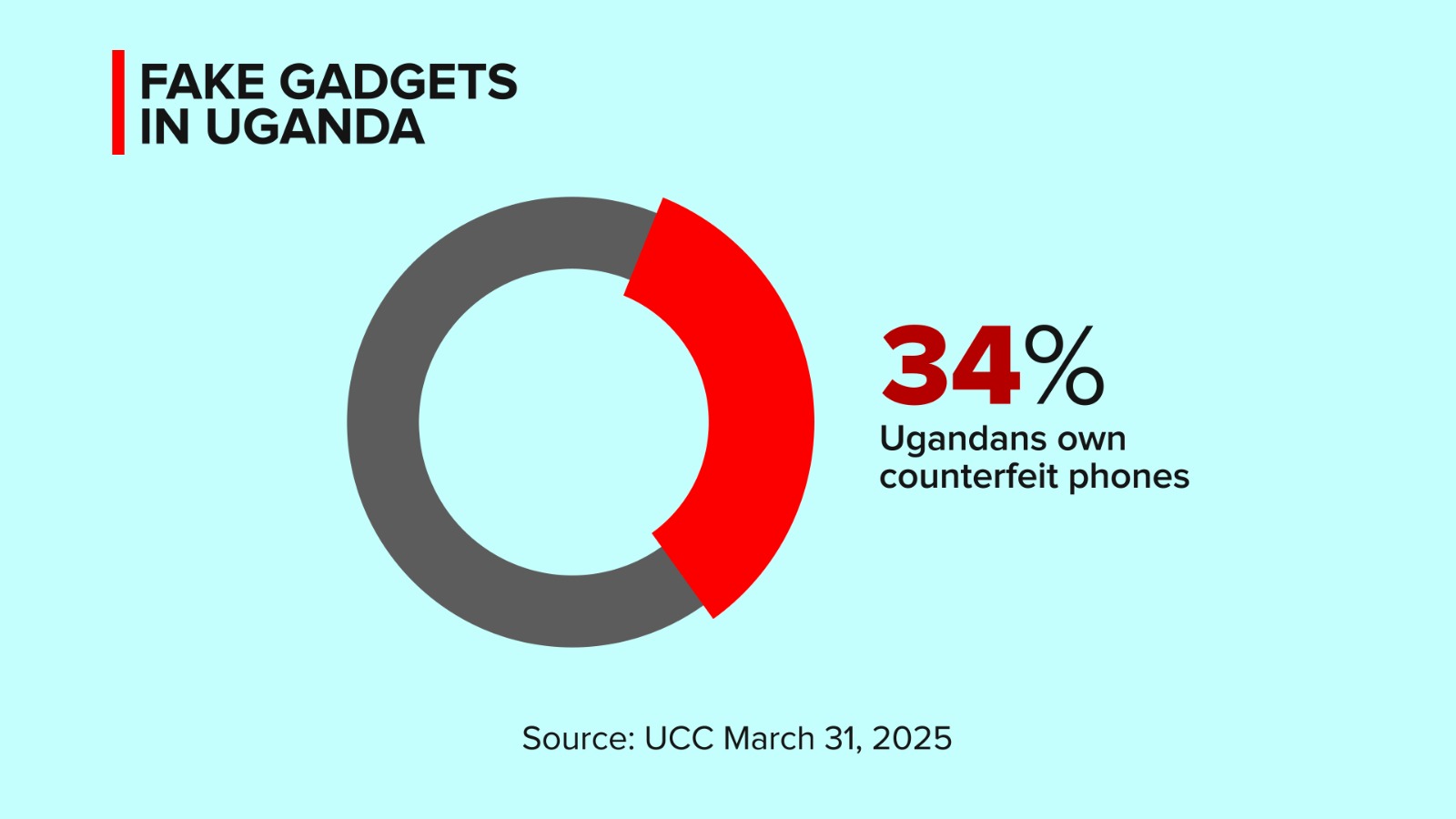
A recent Uganda Communications Commission (UCC) report (March 31, 2025) revealed a shocking statistic: 34% of Ugandans own counterfeit phones.
But the problem doesn't stop at mobile devices. Fake TVs, fridges, sound systems, and home appliances are flooding Uganda’s markets and ordinary citizens are paying the price.
If you’ve ever bought electronics that died within months, had a warranty rejected because the product "wasn't genuine," or noticed your "Samsung" TV looked slightly different from your friend’s you may have been a victim.
This article exposes the counterfeit electronics problem in Uganda and shows you exactly how to protect yourself.
What the Numbers Say
34% of phones in Uganda are counterfeit (UCC Survey 2025).
Electronics fraud costs Ugandan consumers an estimated Shs200 billion annually.
Kampala's downtown shops remain the primary source of fake electronics.
Most counterfeits enter through unverified imports and informal channels.
Most Counterfeited Brands in Uganda
Brand
Fake Products Found
Samsung
TVs, phones, fridges
Sony
Speakers, headphones
LG
TVs, fridges
Hisense
TVs, fridges
JBL
Speakers, earbuds
Apple
Chargers, earphones
The Cruel Irony: These are the most trusted brands. Counterfeiters exploit the reputation of companies like Samsung and Hisense because they know Ugandans associate these names with quality.
How to Spot Fake Electronics in Uganda
1. Price Too Good to Be True
If a Samsung 55" TV costs Shs3.2 million everywhere, but one shop offers it for Shs1.8 million it is fake. Period.
Rule of thumb: If the price is more than 20% below the market rate, exercise extreme caution.
2. Packaging Looks "Off"
Spelling errors (for example, "Samung" instead of "Samsung").
Blurry logos or thin, flimsy cardboard.
Missing UNBS (Uganda National Bureau of Standards) stickers or CE marks.
3. No Verifiable Serial Number
Every genuine product has a unique serial number. Before paying, verify it on the manufacturer’s official support page. If the serial number doesn't exist in their database, the product is a clone.
4. Missing or Fake Warranty Card
Genuine warranty cards often feature holograms and list official service centers. Fake cards usually only list the shop where you bought the item, offering no protection if that shop closes down.
5. Accessories Look Cheap
Counterfeiters often cut corners on chargers, remotes, and cables. Check for lightweight plastic, poor-fitting ports, or manuals printed on thin paper with broken English.
6. The Shop Won't Provide an Invoice
Legitimate sellers provide a fiscal receipt (EFRIS) and an invoice featuring a TIN number. If a seller offers only a handwritten note, they are likely avoiding accountability.
7. Build Quality Feels Wrong
Plastic feels hollow or "creaks" when pressed.
Screens have visible pixels or poor viewing angles.
The device has a strong, chemical "cheap plastic" smell.
How to Buy Genuine Electronics in Uganda
5 Rules for Safe Shopping
Buy from Authorized Dealers: Authorized sellers offer real warranties and after-sales support.
Verify the Serial Number: Take five minutes to check the code online before handing over cash.
Demand a Proper Invoice: Ensure the serial number is written on the receipt.
Research Prices: Check Yoola.ug electronics category to understand the current market value of genuine items.
Trust Your Instincts: If the deal feels "shady," it probably is.
Where to Buy Genuine Electronics
Platform
Focus
Why Trust Them
Official Brand Stores
Specific Brands
Direct source for Samsung, LG, or Sony
Protect Yourself: The Checklist
Before finalizing any purchase, use this checklist:
[ ] Price Check: Is the price realistic compared to best online shops?
[ ] Serial Number: Have you verified it on the manufacturer's website?
[ ] Packaging: Is it professional with no spelling errors?
[ ] Warranty: Does it include an official manufacturer’s warranty?
[ ] Invoice: Will the seller provide a formal EFRIS/TIN receipt?
[ ] Build Quality: Does the product feel heavy, solid, and well-finished?
If you checked "No" to any of the above, do not proceed with the purchase.
The Bottom Line
The counterfeit electronics crisis in Uganda is a direct threat to your wallet and your safety. While a "bargain" TV might save you money today, it will likely cost you more in repairs and replacement within six months. Investing in genuine products from trusted platforms.
