

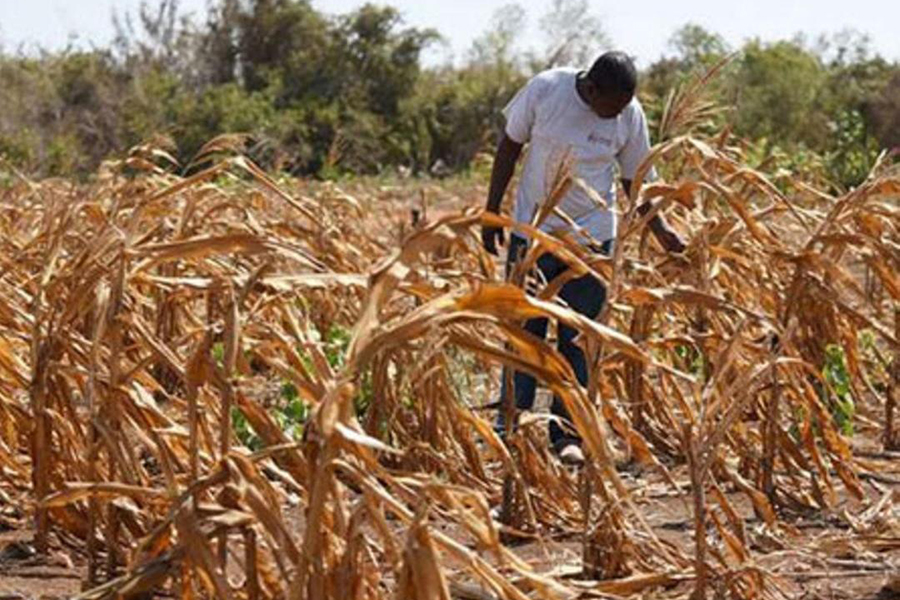
Farmers in Bukomansimbi District are counting losses following prolonged dry spells, heavy rains and unpredictable weather patterns that have severely affected agricultural production in the area.
For decades, farmers in Bukomansimbi relied on predictable rainy seasons to grow coffee, bananas, beans and maize.
However, residents say weather patterns have changed significantly in recent years, leaving many households struggling with hunger, poverty and school fees.
According to district information officer Marley Ben Lawrence, Bukomansimbi traditionally experiences two rainy seasons, but recent years have seen increasing irregular rainfall and prolonged droughts affecting farming activities.
Several farmers said crops are drying before maturity, while heavy rains and strong winds are also destroying gardens and homes.
“Previously we knew when rains would start and when to plant, but nowadays the weather changes suddenly. You plant today and the sun burns everything,” said Musa Kibuuka, a coffee farmer from Kibinge Sub-county.
He said coffee production has declined due to excessive heat and prolonged dry spells.
“Our coffee flowers dry before producing cherries. Sometimes heavy rains come unexpectedly and wash away the soil,” he said.
A banana farmer, Sarah Namayanja from Butenga Sub-county, said climate change has increased pests and diseases, further reducing yields.
“We are spending more money on pesticides yet harvests remain poor. Some seasons we harvest almost nothing,” she said.
Experts say climate change has increased extreme weather events such as droughts, floods, delayed rains and rising temperatures, all of which directly affect agriculture in Uganda.
Studies on Ugandan farming communities show that farmers are increasingly experiencing erratic rainfall, longer dry seasons and shrinking water sources.
In some parts of Bukomansimbi, desperate farmers have resorted to cultivating wetlands due to prolonged drought and lack of water for irrigation.
District officials say the changing climate is becoming a major threat to livelihoods, as most residents depend on agriculture.
“The biggest challenge now is that farmers can no longer predict seasons correctly. This affects planting and harvesting,” said George Ssekanwaji, a production officer in the district.
Residents also blame environmental degradation, including wetland encroachment and deforestation, for worsening the situation.
Last year, heavy rains and strong winds destroyed crops and houses in several parts of Bukomansimbi, leaving many families homeless.
Agriculture experts are encouraging farmers to adopt climate-smart practices such as irrigation, tree planting, mulching and use of drought-resistant crops.
They also advise farmers to rely on weather forecasts and modern farming technologies to reduce losses caused by changing weather conditions.
Despite the challenges, many farmers say they remain hopeful that government support and improved agricultural systems can help communities adapt.
“We only ask government to support us with irrigation schemes, improved seedlings and farmer education because agriculture is our only source of survival,” Namayanja said.
