

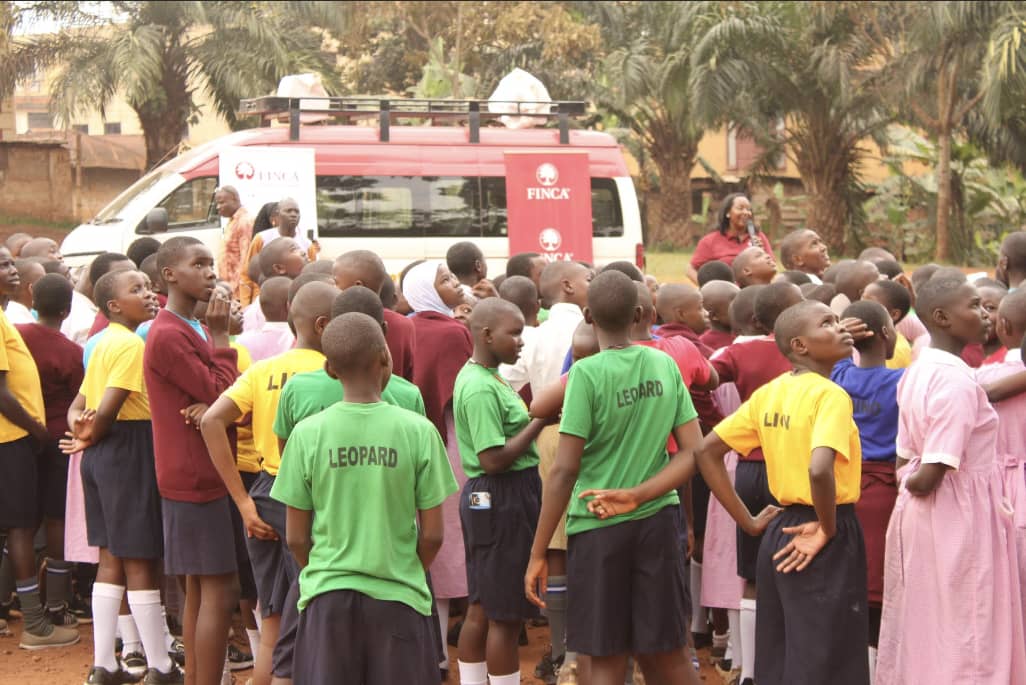
By the time the school bell rings to signal the start of a new term in Uganda, many parents are already deep in quiet financial planning.
Household budgets are tightened, personal needs are deferred, and conversations at home increasingly revolve around one pressing question: how to meet the rising cost of education.
Education remains one of the most valued investments among Ugandan families, but also one of the most financially demanding, particularly as the cost of living continues to rise.
According to organisations such as UNICEF and the World Bank, financial hardship remains one of the leading causes of school dropouts, especially among low-income households. In some instances, even short-term inability to meet school requirements can interrupt a child’s education journey.
“Education is widely recognized as one of the most powerful pathways out of poverty,” notes a World Bank education brief. “Yet for many families, the cost of accessing it remains a persistent barrier.”
It is during the back-to-school season that this pressure becomes most visible, with termly fees and associated costs falling due at once. Even households with relatively stable incomes often struggle to absorb the sudden financial shock, forcing many to rely on savings groups, informal borrowing, or short-term credit.
“As a financial institution, we see this pattern repeat itself every term, school-related expenses do not come gradually but they come all at once, often alongside rent, food, and business needs. Our role is to ensure that parents have a reliable way to manage these competing demands without interrupting their children’s education” says Eva Balikowa - The Chief Commercial Officer at FINCA Uganda.
For many parents, however, the reality is far more personal.
Maria Namaganda, a widow and nano-charcoal business owner in Bata Bata, Namasuba, says each school term feels like starting over.
“You can plan, but school does not wait for your plans to fall into place,” she says. “Sometimes I have to choose between fully stocking my business and clearing school fees first. Most times, education wins, but it comes with pressure.”
Samuel Kato, a boda boda rider in Kampala, shares a similar experience, describing the beginning of each term as a period of financial strain.
“When schools open, everything becomes urgent at the same time. Even if you earn every day, it is not easy to save enough. Without support, some children would delay going back to school.”
These accounts reflect a broader national reality, where the start of every term has become a test of household resilience. Families adjust budgets, cut daily spending, rely on informal savings groups, or seek financial assistance to ensure children return to school on time.
In response to this gap, financial institutions have increasingly introduced digital lending solutions aimed at easing access to school fees financing, with applications processed via mobile platforms and disbursements often made directly to school accounts.
Education experts maintain that consistent schooling remains one of the strongest determinants of long-term social mobility. Studies across developing economies show that each additional year of education significantly increases future earning potential and reduces the likelihood of poverty.
“Education remains one of the most reliable pathways for social and economic mobility,” education policy analysts emphasize. “The challenge is not willingness to invest in it, the challenge is affordability at critical moments.”
As the new term begins, the same cycle repeats itself across the country, reflecting both financial pressure and determination among families to keep children in school despite rising costs.
While households shoulder much of the burden, schools too continue to face operational and infrastructure challenges as they work to improve learning environments under constrained resources.
Ultimately, the back-to-school season remains a recurring national story defined by strain, adjustment, and resilience, as Ugandan families continue to prioritise education not just as an expense, but as a long-term investment in the future of their children.
