

Health authorities in Mbarara City have issued an urgent warning over stagnating tuberculosis (TB) case detection, cautioning that hundreds of infected residents may be unknowingly spreading the disease within their communities.
Despite ongoing efforts to curb the respiratory disease, official data suggests that the city’s surveillance system is failing to detect a significant number of people living with the bacteria.
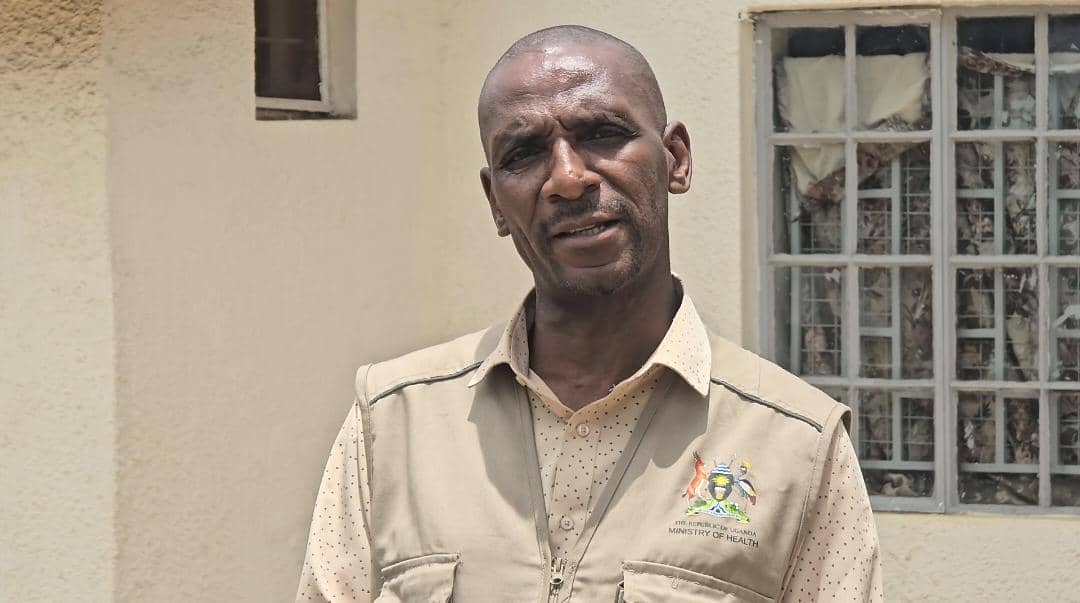
According to Dr Keirukye Mugisha, the gap between registered cases and estimated infections is becoming a growing concern.
“Between October and December 2025, the city officially recorded 57 cases,” Dr Keirukye said, noting that the figure likely represents only a fraction of the actual infections.
“Many more people are believed to be living with the disease without a formal diagnosis. Undetected cases remain the primary driver of community transmission,” he added.
Over the last three years, Mbarara City has documented a total of 794 TB cases. However, without a more aggressive approach to testing and community screening, health officials fear the city will struggle to meet national TB elimination targets.
Despite the warning, health officials say there is some progress in treatment outcomes. The city’s treatment success rate remains high for patients who are diagnosed and enrolled into care.
“Every patient identified in the recent quarter was placed under supervised medical care and has since achieved full recovery. The real danger, however, lies in non-adherence to treatment,” Dr. Keirukye said.
He warned that inconsistent use of TB medication is the leading cause of Multidrug-Resistant Tuberculosis (MDR-TB), which is significantly harder and more expensive to treat.
“MDR-TB is much more difficult to treat, requires more toxic medications, and places a heavy financial burden on the healthcare system compared to standard TB,” he explained.
Health surveillance teams have also identified specific areas within the city where TB prevalence remains disproportionately high.
The identified hotspots include Kijungu, Katete, Byafura and Biharwe, among others.
Health officials are now encouraging anyone experiencing a persistent cough, night sweats, fever, or unexplained weight loss to visit the nearest health facility for free TB screening and testing.
As Mbarara continues to grow rapidly, health authorities say finding the “missing” TB cases is no longer just a medical objective but a public health priority necessary to stop further transmission in the community.
