

My first Africa Cup of Nations (Afcon) accreditation in Egypt was not tested at a stadium gate. It was tested by a quality leather shoe that cost just 15,000 Uganda shillings.
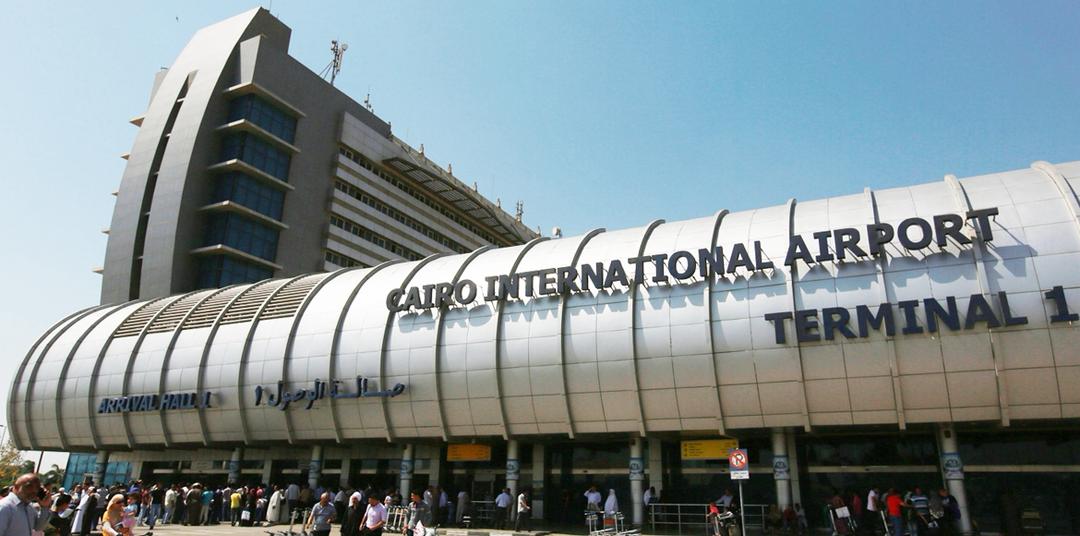
When I touched down at Cairo International Airport to cover the 2019 Africa Cup of Nations, I walked with the bounce of a man fulfilled. My country was back on Africa’s biggest football stage for the first time in decades, and I had the privilege of covering that return as a journalist, an opportunity many in my profession only dream of.
But Cairo had other plans for me.
Before football could fully consume my days, the city pulled me in. Raw, loud, chaotic, and unapologetically alive. I had always believed Kampala had mastered the art of organised disorder in the developing world. I was wrong. Cairo was something else entirely.
The summer heat was brutal. Tempers were short. Traffic was aggressive. Almost every car carried a dent or crack, worn proudly like a badge of survival. Voices collided in a language I barely understood. I was instantly triggered and instantly hooked.
It felt like a different kind of ghetto, one backed by solid infrastructure but driven by an intensely raw culture. Far removed from the polished Egypt I had imagined.
Survival on Cairo’s streets required constant alertness. Fortune smiled early when I linked up with a Ugandan fixer, Twaha, and suddenly the city opened up.
Our conversations quickly shifted from football to business. Twaha had lived in Egypt for over eight years, completed his university education there, and chosen to stay. Egypt, he told me plainly, simply made economic sense.
Before I had even attended Uganda Cranes’ first training session, I had toured a high-quality leather shoe manufacturing plant and visited wholesale markets stocked with durable school bags, belts, and other goods. The prices were shockingly low.
Instinctively, my journalist’s notebook gave way to an entrepreneur’s curiosity. Long before kickoff, the Egyptian economy had already made its case.
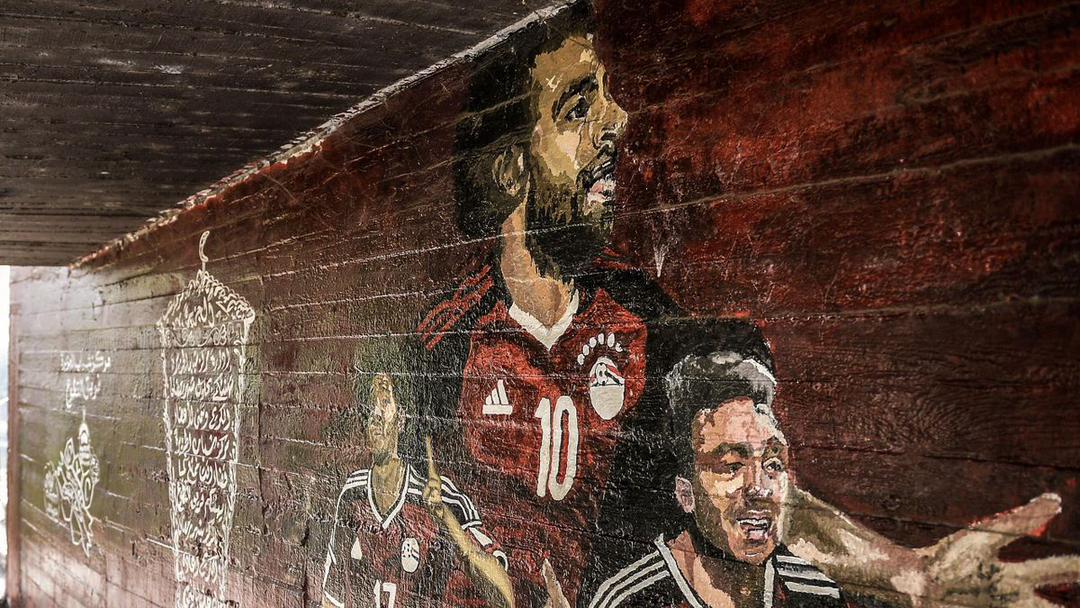
Everywhere I went, Afcon was unavoidable. Coffee shops, shawarma joints, taxis, security checkpoints. Football dominated every conversation. Mohamed Salah’s face was omnipresent: billboards, telecom shops, street posters. It felt less like a tournament and more like a national mobilisation, a coordinated effort to make every citizen a participant.
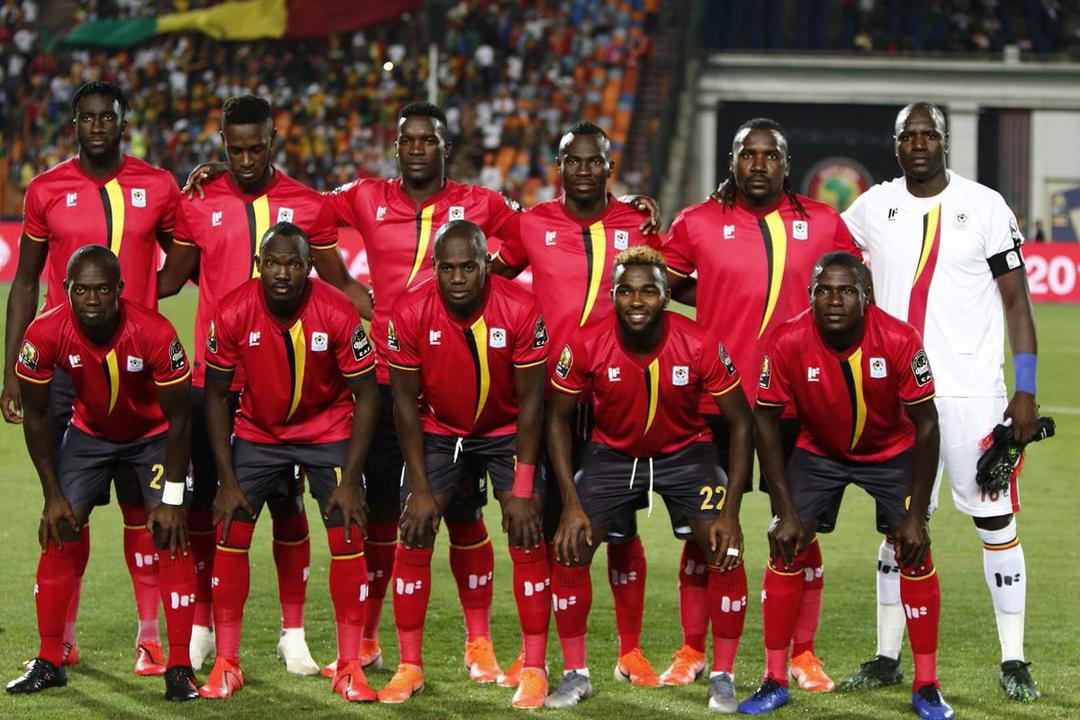
During one of Uganda’s training sessions at Alexandria Stadium, local children camped outside the facility, hoping to catch a glimpse of goalkeeper Denis Onyango. It was a small, quiet moment that captured Afcon’s deeper reach, how the tournament extends beyond fixtures and results, planting inspiration in places far from the spotlight.
Match days felt like a collective civic exercise. Stadiums filled. Roads clogged. Yet for once, traffic felt festive rather than frustrating. Egyptians appeared to have volunteered en masse.
What stood out most was how deliberately everything worked. Journalists were treated with respect. Transport systems functioned. Accreditation processes were seamless. Security was visible but not oppressive. This was not accidental efficiency; it was the product of planning, coordination, and political will.
Beyond the stadiums, the streets came alive with circus performers. Fan movement was regulated yet fluid. Security officers enjoyed the tournament alongside the supporters they protected. Across multiple match days, I did not witness a single moment of disorder.
My initial fear of a communication barrier evaporated quickly. Almost everyone spoke enough English to guide, help, or direct. Cairo revealed itself as one of the rare cities that feels as alive at night as it does during the day.
On rest days, I explored Egypt beyond the tourist clichés. Instead of rushing to the pyramids, I sought out biblical sites, locations referenced in scripture and believed to have sheltered Jesus and his parents during their flight into Egypt. Wells said to have quenched their thirst during exile.
I returned home with only one souvenir: a book titled, Two Thousand Years of Coptic Christianity.
Ironically, for a journalist dispatched to cover football, the football itself became the smallest part of my AFCON experience. Beyond the pitch, Afcon revealed itself as a masterclass in systems: culture, planning, commerce, security, tourism, and national coordination working in quiet harmony.
That lesson matters now more than ever.
As Uganda, alongside Kenya and Tanzania, looks toward hosting the Africa Cup of Nations in 2027, the challenge extends far beyond stadiums and training grounds. It is about airports that work, roads that flow, hotels that scale, power that does not blink, internet that holds, signage that guides, and security that reassures without intimidating.
Mega tournaments are not won on the touchline alone. The real wins happen far beyond the pitch.
