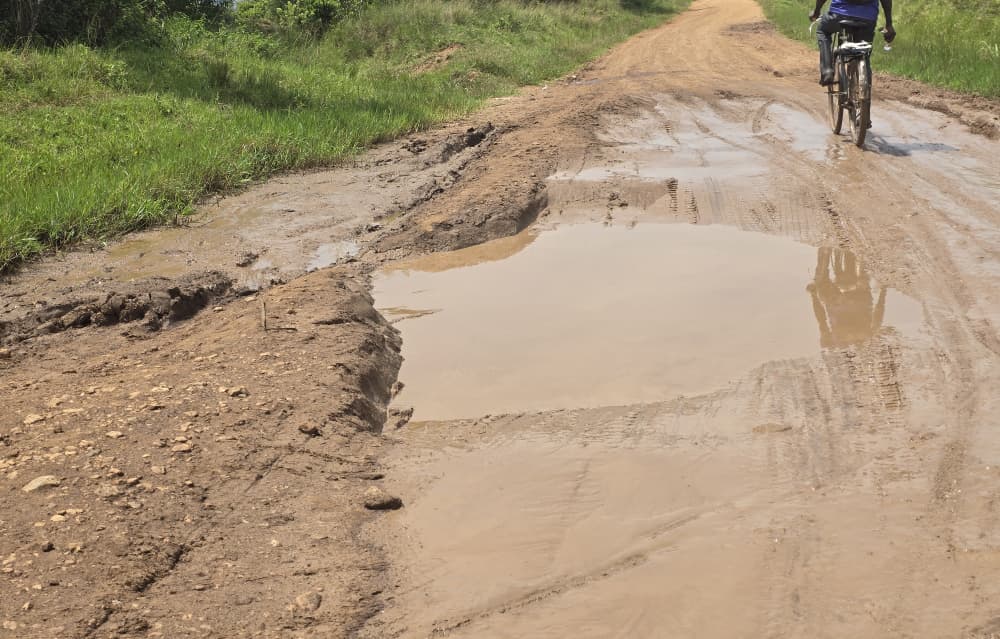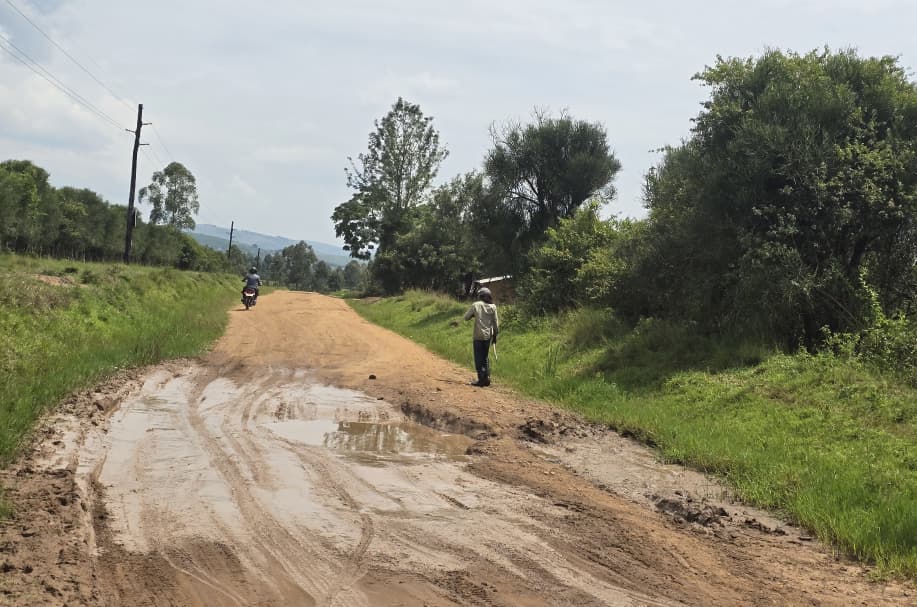
The Kakukuru–Rwenanura–Kategure–Rubaare road, a key transport link cutting across Ruhaama and Rushenyi Counties, has deteriorated into a dangerously impassable state, sparking new outcries from residents and leaders who say the situation has reached a crisis point.
Once a vital route feeding into the Kabale highway and the Mirama–Rwanda corridor, the road is now defined by deep ditches, massive gullies, stagnant pools of water and narrowed sections that barely allow vehicles to pass.
Residents say the road, constructed in 1936, has suffered years of neglect and has become increasingly treacherous.
For more than five years, road users have reported accidents linked directly to its worsening condition.
“We have pain as users of this road. It’s in a poor state,” said senior citizen Kanyamure Razaro, who described the daily struggle of navigating through the damaged stretches.
Community members say the road’s strategic importance has made its collapse particularly devastating.
It serves traders moving goods between Kabale and Isingiro, as well as businesses operating across Ruhaama Main, Ruhaama East and Rushenyi. With trade heavily reliant on road transport, leaders warn the continued deterioration is threatening local livelihoods.
“It’s a crucial road for this constituency. I request the government to take it up and add it to the Kikagate–Kitwe–Kafunjo contract,” said Richard Barungi, a Ruhaama MP aspirant who believes incorporating the road into an existing works package could fast-track repairs.
In Obuyoora Cell in Rubaare–Rushenyi, floods are now a common hazard. Residents say that when it rains, waters engulf entire sections, cutting off movement and putting lives at risk.
“Once I am in Parliament, it’s going to be my first priority,” said Beatrice Rwakimari, former Ruhaama MP and current NRM flag bearer.
“This road is very important for the people of Ruhaama. It is used by traders from Kabale to Isingiro and those from Ruhaama Main and Ruhaama East to Kabale. Once it’s in bad condition, our traders are going to be affected.”
Local leaders say all their efforts to attract urgent intervention have failed. They report having held meetings, written petitions and even carried out public demonstrations, but none of these actions has resulted in concrete government action.
“I appeal to government to help us. There is a lot of traffic on this road, with traders transporting agricultural products to markets,” said Alex Abenitwe, the District Councillor for Rwekiniro.
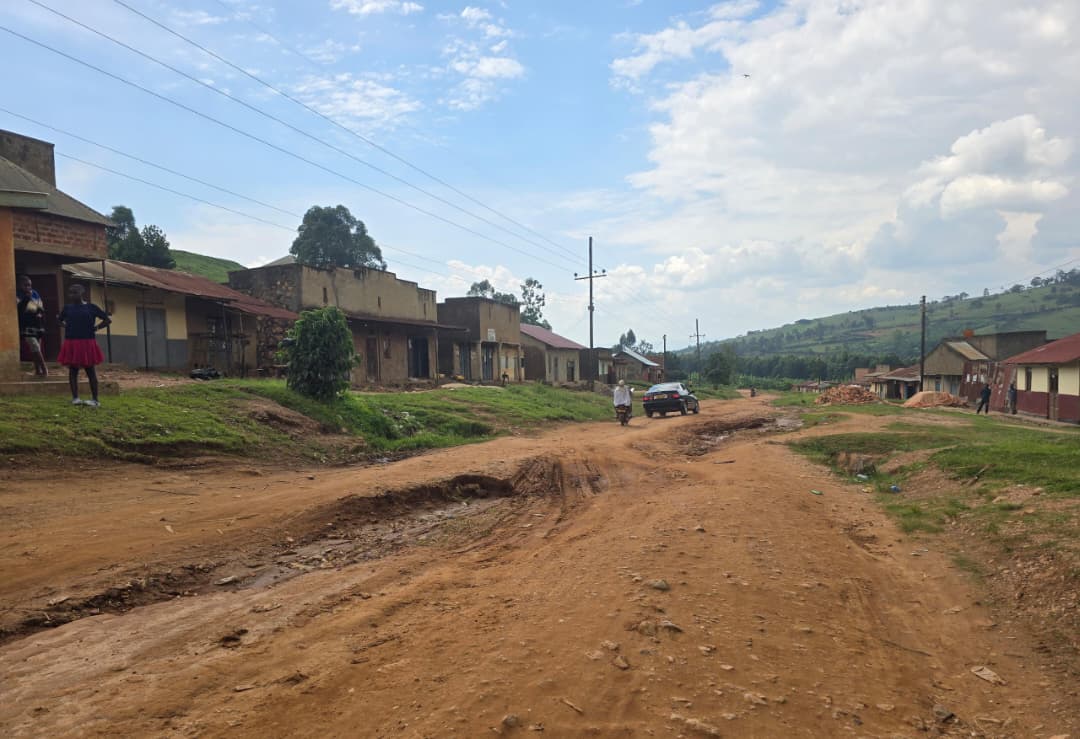
Geoffrey Mushija, chairman of Obuyoora Cell, expressed frustration at what he called government indifference.
“Doesn’t the government see this road? Why doesn’t it help us? The waters pushed the bridge to break down,” he said.
The Ministry of Works and Transport, however, insists that routine works are underway, though the focus remains on keeping the road passable rather than undertaking major reconstruction.
“The plan is maintenance—maintaining it in its current condition and ensuring it’s motorable,” said Allan Ssempebwa, speaking by phone on behalf of the ministry.
For residents of Ruhaama and Rushenyi, whose livelihoods and safety depend on the road, the demand remains clear: only a comprehensive overhaul—not periodic patching—will restore the route’s function and revive the communities that rely on it.